

Anxiety and fear are very common among children who are about to start their academic journey. Until preschool, children are comfortable in the company of their parents or guardians. When they enter Preschool, they are introduced to a whole new world of unknown faces and new friends, all of which can be very overwhelming for any child. Preschool teachers are equipped with the right kind of skills and knowledge to help children overcome their fear. Let’s understand the techniques they use to help Preschool learners break their shells of fear and be comfortable in their new setting.
Understanding the impact of fear on children
Fear can have long-lasting effects on children, which could impact them in different ways even as they grow up. Preschool teachers keep updating themselves on the biological effects and signs of anxiety like a racing heart, breathlessness, excessive sweating etc. By understanding the nitty-gritty of fear and how it impacts cognitive factors, preschool teachers are well-equipped with the necessary tools and techniques that can help children feel more secure and confident in school.
Backtracking to the origin of fear
There are different triggers and sources of fear. Some of these can be the immediate setting, others can be related to their personal experiences at home or outside school. Preschool teachers take a personalized approach towards understanding each child’s mindset for analysing triggers that lead to anxiety among children. Once they are clear about the triggers, they work backwards to tackle the issue at the source with coping mechanisms and counselling with parents.
Making children aware of their emotions
Emotional intelligence plays a crucial role in helping children deal with unexpected situations and circumstances in life. It makes them aware of their innermost emotions and fears and helps them identify ways to overcome the same. Rather than distracting children when they are anxious, it is important to make them feel at ease so that they can open up and discuss freely what they are actually feeling.
Making learning fun
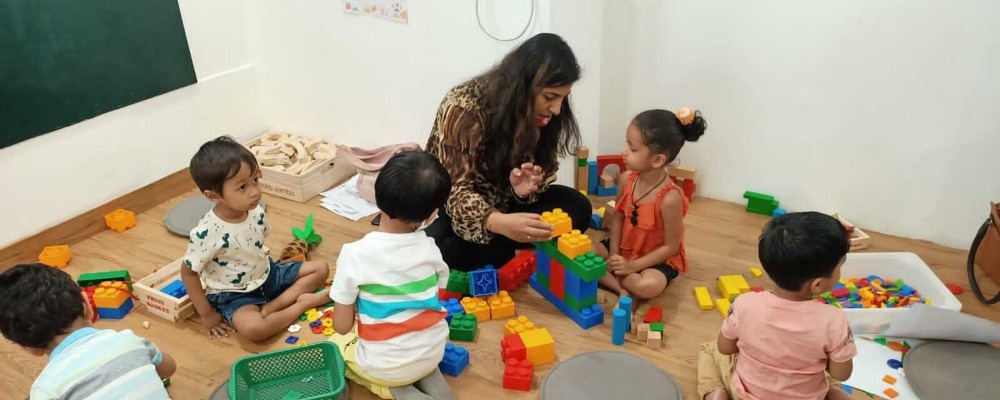
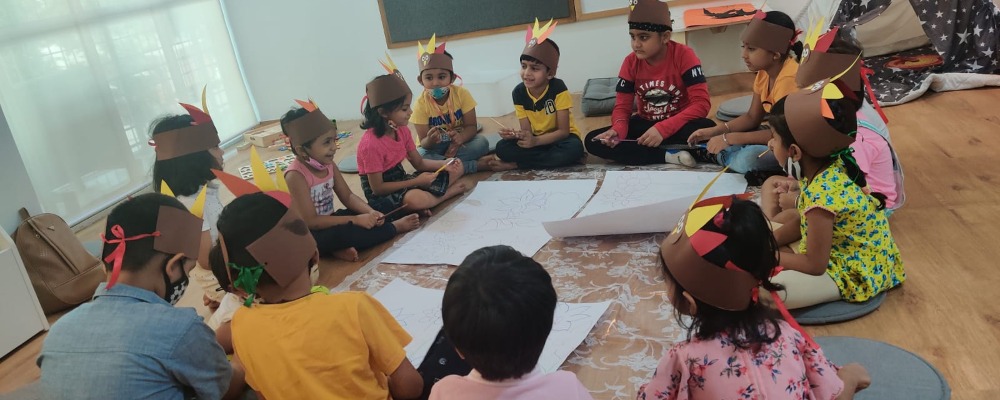
Preschool teachers take an effort to make learning a fun experience for children. They engage children in a variety of fun-filled activities and games which not only help them learn new concepts but also keep them excited and happy. By doing so, children naturally start developing a love for learning, which ultimately makes them more eager to go to school.
Creating a nurturing environment
To deal with anxiety and fear, children should be encouraged to try new things. They should be given the freedom to explore their creative mind. Sticking to a textbook method will only limit their real potential. They should be encouraged to ask questions and find answers on their own so that they keep learning without the fear of making mistakes. Teachers should never ridicule any child because of their actions, rather they should give them logical explanations so that they can evaluate what is wrong and what is right on their own. This instills confidence and a sense of responsibility among children.
Preschool teachers also introduce relaxation techniques that help children calm their minds. They are constantly in touch with parents to make them aware of how their children are faring at school. The best preschools, like Foundree, invest time and effort in understanding the impact of fear in toddlers and ways to deal with them using effective methodologies.