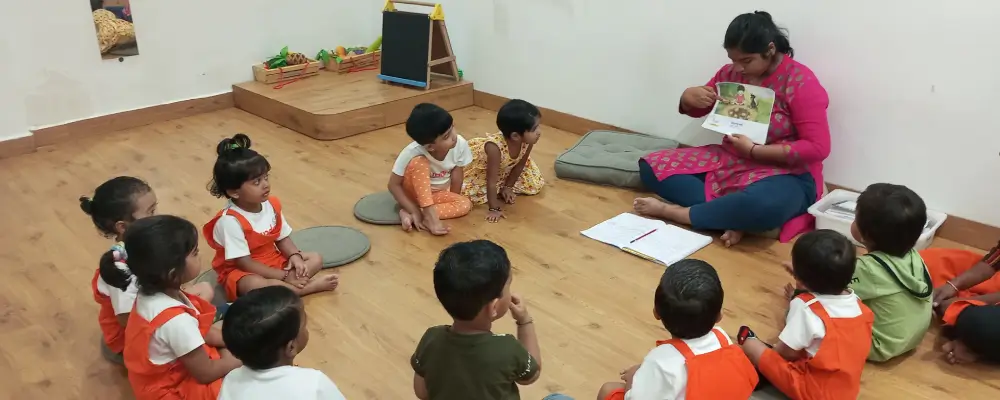
How do the immersive spaces at Foundree help your child’s learning journey?

If you’re a parent and having a tough time finding the perfect place for your child to thrive and learn, look no further than Foundree Preschool and Daycare. We offer a unique and immersive learning environment for your child that fosters child development like no other preschool. 


In this blog, we’ll take you through the spaces at Foundree so that you can imagine how the immersive learning spaces, educational experiences and other interactive learning elements make Foundree Preschool and Daycare a haven for early childhood development.


Immersive Space

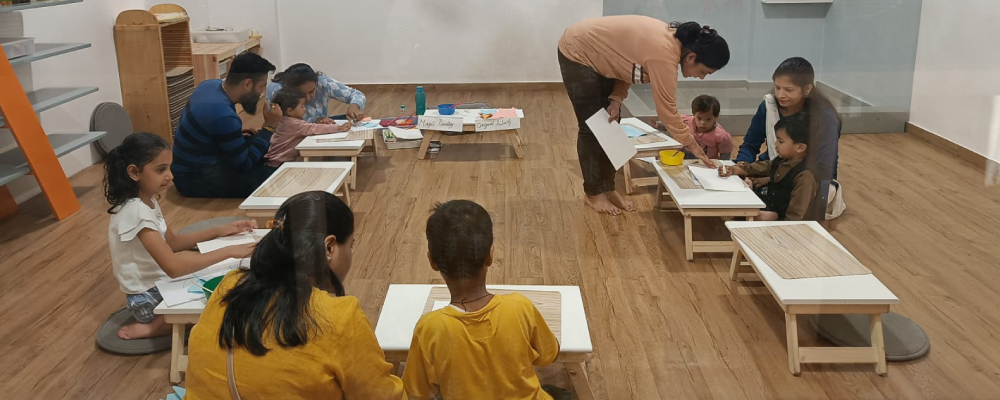
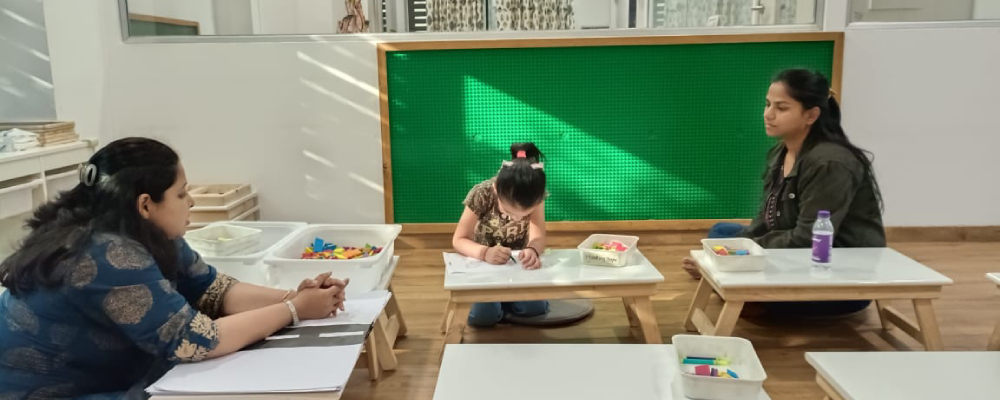
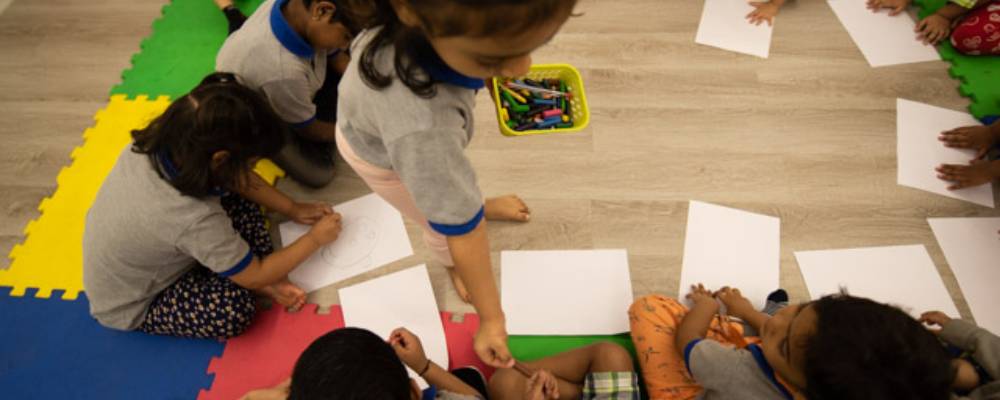
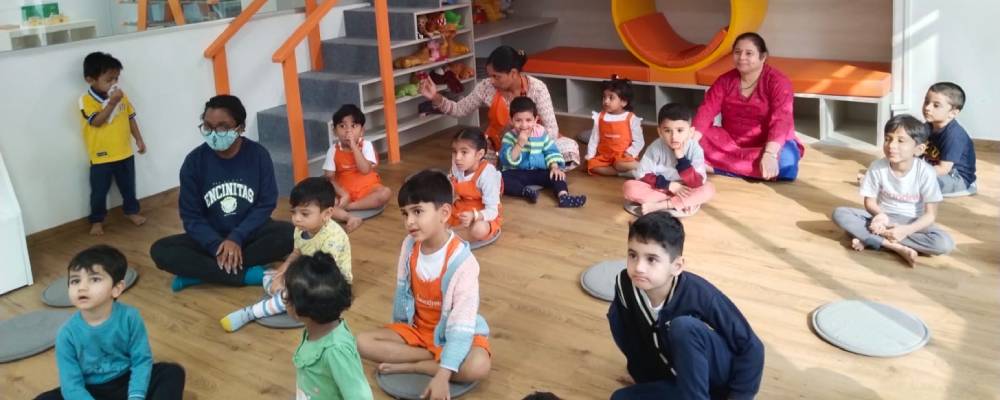
As soon as you enter a Foundree preschool, you will immediately notice the immersive spaces that set it apart. Each classroom is designed to transport your child into a world of wonder and discovery. From a scribbling board to practise scribbling because that is the stepping stone for “writing skill” to emerge for your child that sparks creativity to cosy reading nooks that encourage a child to read on their own while giving them the independence to choose a book of their choice, every corner is thoughtfully crafted to create a positive learning experience.


Foundree believes that a child’s surroundings play a crucial role in their learning experience. And hence these immersive spaces are designed to engage children’s senses, from colourful sensory walls to interactive learning stations that promote hands-on engagement and exploration.


How does the learning environment at Foundree foster your child’s growth?

At Foundree, the learning environment is carefully curated to cater to your child’s needs. Intentional design choices foster a sense of comfort and security, which is essential for effective learning experiences.


The educators at Foundree understand the importance of a positive learning environment in shaping a child’s early childhood development. With a low student-to-teacher ratio, every child receives individualized attention, ensuring that they thrive academically and emotionally and the personalised curriculum at Foundree ensures that your child is learning according to their potential and is being scaffolded by the educator to eventually take charge of their own learning.


We believe in the power of educational experiences that go beyond traditional teaching methods. Our curriculum is designed to be engaging, hands-on, and filled with opportunities for growth. The teachers at Foundree are passionate about providing children with meaningful educational experiences like field trips to provide meaning to what the child is learning at school, nature walks to encourage curiosity and exploration skills. With a focus on both cognitive and social development, your child will blossom academically and socially.


We understand that every child is unique, and they celebrate those differences. Through individualised attention and a tailored curriculum, Foundree ensures that each child reaches their full potential. Our approach to child development is holistic, encompassing cognitive, social, emotional, and physical growth. Through a combination of activities and play, children learn valuable life skills such as problem-solving, communication, and teamwork.


Interactive and Hands-On Learning at Foundree

Interactive learning is the cornerstone of Foundree’s teaching philosophy. Foundree’s classrooms are filled with opportunities for hands-on exploration, encouraging children to ask questions and discover answers for themselves.


Whether it’s a game that turns learning into fun or a group project that promotes teamwork, interactive learning is woven into the fabric of Foundree’s curriculum. This approach not only makes learning enjoyable but also helps children develop critical thinking skills that will serve them well throughout their lives.


Every Day is a New Learning Opportunity 

At Foundree, the learning experiences are designed to be exciting and dynamic. With a diverse range of activities and subjects, every day is a new adventure for your child. We understand that a positive learning experience is essential for a child’s growth and development. We create a supportive and encouraging atmosphere where children are motivated to explore and learn. With a focus on building a strong foundation for future academic success, Foundree is the perfect place to kickstart your child’s early education journey.


If you’re looking for a preschool and daycare that offers immersive spaces, a nurturing learning environment, and a wealth of educational experiences, Foundree is the place to be. With a strong emphasis on child development, interactive learning, and a positive learning environment, Foundree sets the stage for a bright future for your child. Don’t miss the opportunity to provide your child with an exceptional learning experience at Foundree.
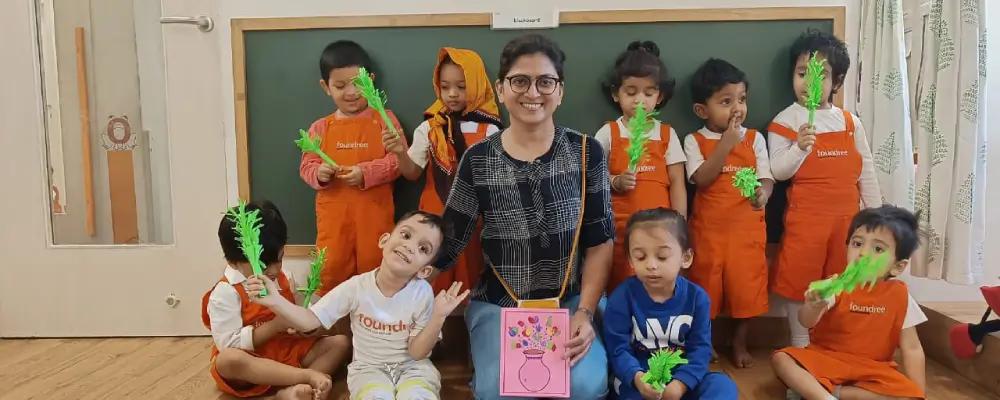
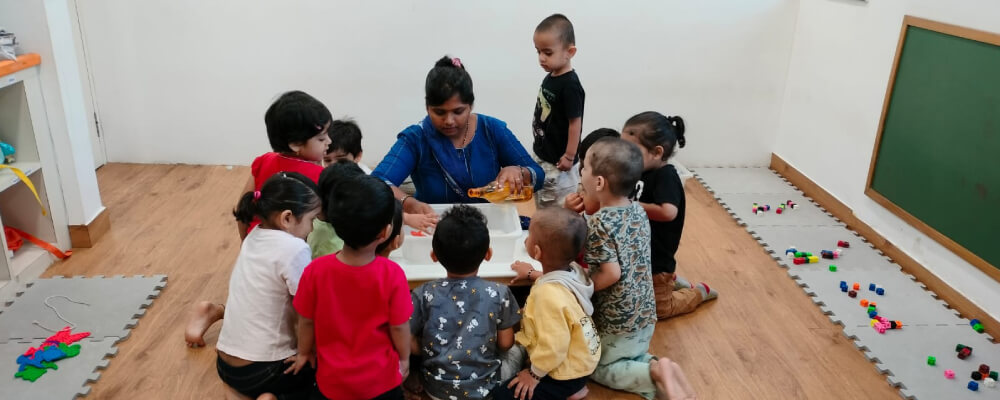


Enhancement of collaborative and critical thinking skills in children at Foundree

 In today’s times, where teamwork, adaptability, and problem-solving abilities are highly valued, it becomes absolutely essential to nurture these skills from an early age. 

Collaboration encourages children to work together, share ideas, and respect diverse perspectives. In addition to improving their social skills, this also gets students ready for the collaborative aspect of life outside of the classroom. Contrarily, critical thinking equips kids to evaluate data, make wise choices, and resolve challenging issues. We give our little ones the abilities they need to successfully manage the difficulties of the modern world by developing these talents from a young age. 

Foundree has ingeniously integrated a plethora of activities that not only cater to the holistic development of children but also cultivate their collaboration and critical thinking skills.

Preschool Activities: Laying the Foundation and Thinking Critically

Foundree understands the significance of the formative years in a child’s development. Through a spectrum of preschool activities, children are immersed in hands-on experiences that initiate the growth of their cognitive, physical, and linguistic skills. Development of all such skills paves the way for honing critical thinking skills, as children learn to analyse narratives, interpret visuals, and draw connections between various concepts.

The hallmark of Foundree’s approach lies in its diverse educational activities that seamlessly blend learning and enjoyment. Children are consistently challenged to think critically while having fun. These activities stimulate their problem-solving instincts, encouraging them to explore unconventional approaches to overcoming challenges.

Developing Collaboration in Children

Foundree’s extensive repertoire of activities for kids extends far beyond the individualistic realm. We recognise the pivotal role that collaboration plays in today’s interconnected world. With team-building challenges and collaborative games, children learn the art of working together, capitalising on each other’s strengths, and collectively arriving at innovative solutions. This not only strengthens their collaboration and critical thinking skills but also fosters empathy, effective communication, and adaptability – all essential skills in collaborative environments.


Foundree ingeniously infuses the spirit of teamwork into enjoyable and interactive endeavours. Fun team activities that incorporate elements of adventure and competition tap into the innate desire to learn and grow together. Children engage in activities for kids that demand quick thinking, efficient planning, and synchronised execution – all crucial facets of collaborative success.


The art of brainstorming through sessions is a cornerstone of cultivating critical thinking skills. At Foundree, regular brainstorming sessions are conducted, providing children with a platform to voice their ideas, listen to their peers’ perspectives, and collectively refine concepts. Through this iterative process, they learn that critical thinking skills aren’t just about problem-solving; it’s about crafting innovative solutions from a wealth of ideas.


Puzzle solving games at Foundree are more than just entertainment – they are potent tools for enhancing critical thinking. By engaging in collaborative efforts to decode riddles, unravel mysteries, and conquer complex puzzles, children develop analytical skills that are transferable to various real-world scenarios.


A Journey of Collaborative Growth

In the nurturing embrace of Foundree’s educational ecosystem, we see that it not only enriches children’s minds but also nurtures their collaborative and critical thinking skills. Through a meticulously crafted blend of activities for kids, preschool activities, and engaging challenges, they develop the ability to work harmoniously in teams, analyse situations thoughtfully, and devise innovative solutions that transcend conventional boundaries.


Indoor Toddler Activities: Fun and Educational Ideas for Active Little Ones

Keeping toddlers engaged and entertained indoors can be both a creative challenge and a delightful adventure. Toddlers and kids aged 3 to 6 years are bundles of energy and curiosity, eager to explore the world around them. 

There are many exciting and educational indoor activities for toddlers to captivate and make learning engaging. These activities also play a crucial role in nurturing their cognitive, physical, and emotional development. From interactive games to delightful crafts, these activities are perfect for both preschool and daycare settings. Read on to know more.

Sensory Play

Toddlers learn through their senses, and sensory activities are a fantastic way to stimulate their minds and bodies. Sensory bins filled with materials like rice, beans, sand, or water with activities to add scoops, funnels, and cups for endless exploration can make them interested to learn more. Including small toys or objects for added excitement also helps.

Indoor Obstacle Course

A mini obstacle course using cushions, pillows, and soft play equipment to create challenges like crawling under tables, jumping over cushions, and balancing on a line of tape helps promote gross motor skills and coordination among toddlers, while keeping them physically active.

Arts and Crafts

As toddlers love getting creative and ready to explore the world around them, charged with curiosity, providing them with kids-friendly materials is a great option. Washable crayons, markers, and finger paints are great for unleashing their artistic potential, combining fun with learning. Encourage them to create their own masterpieces or participate in collaborative projects, like a group mural.

Puzzles and Building Blocks

Enhancing toddlers’ cognitive skills with colourful puzzles and building blocks that are large and soft are a perfect option to keep little hands intrigued to explore and learn. You can even create thematic puzzles that tie into the current learning themes at preschool or daycare.

Storytime and Puppet Play

Reading aloud to toddlers is a great way to introduce them to language and storytelling. Making use of puppets or stuffed animals to act out stories makes the experience even more engaging and interactive for young minds that are bubbling with imagination and creativity.

Dance and Movement

It’s time to go to the disco, isn’t it? Toddlers love moving their bodies to the rhythm, so introducing some music to encourage them to explore different dance styles and even create their own dance routines is not only something that should be done but also helps both learners and teachers experience a true sense of joy.

Indoor Bowling

Setting up a DIY bowling alley using soft, lightweight balls and empty plastic bottles can help toddlers practice hand-eye coordination and counting as they knock down the pins, while also adding to their excitement as they see the ball roll.

Imaginary Play

Provide dress-up clothes, pretend play props, and play kitchens for the toddlers to kindle their imaginations. Encourage them to role-play different scenarios, fostering creativity and social skills, and helping them learn new skills and values.

Playdough Fun

Playing with playdough is a fantastic way to improve little learners’ fine motor skills and sensory development. Offer various colours and tools, like cookie cutters and rolling pins, to enhance the play experience.

Alphabet and Number Hunt

Arrange for a treasure hunt-like experience and hide foam letters or numbers around the room. Challenge the toddlers to find and identify the missing elements to introduce the young buds to basic literacy and numeracy concepts in an engaging way.

Conclusion

Indoor activities for toddlers should be a harmonious blend of fun and education, catering to their boundless energy and curiosity. These ideas offer a plethora of opportunities to engage, entertain, and educate active little ones both in preschool or daycare. They not only keep the toddlers happily occupied but also contribute to their holistic development in a nurturing and stimulating environment. 


7 Creative Art Projects for Preschoolers to Enhance Development

A preschool or a daycare centre must provide a lively and fun environment that fosters the vibrant and imaginative personalities of its young learners. It is where the power of creativity and hands-on learning is unleashed, enhancing the development of the chirpy and enthusiastic young minds. 

The educational activities for kids must be designed to foster creativity, cognitive skills, and motor coordination through a range of exciting craft projects. Here are some delightful ideas that can cater to your child’s growth while having a ton of fun!

Crafting with Leaves: Exploring Nature’s Palette

Nature provides the most magnificent canvas for creativity, and incorporating it into activities for kids makes the learning process even more fun for them. Crafting with leaves offers an engaging way for preschoolers to connect with nature while enhancing their sensory awareness and fine motor skills. Collecting vibrant leaves and transforming them into beautiful collages, leaf rubbings, or even leaf animal’s sparks imagination and an appreciation for the world around them.

Ganesh Craft for Preschool: Embracing Culture through Art

Kids need to be encouraged and taught at a young age to celebrate diversity and learn about different cultures through art. Projects such as creating Ganesh craft introduces preschoolers to the rich heritage of Indian traditions. Creating colourful and playful figures of Lord Ganesh with various materials allows children to develop fine motor skills, hand-eye coordination, and an understanding of cultural diversity. Through this activity, kids not only make art but also gain insights into different customs and beliefs.

Activity with Ice Cream Sticks: Building, Creating, Learning

Ice cream sticks are more than just a tasty treat – they’re fantastic tools for crafting and learning! Engaging in projects like making mini houses, puzzles, or even simple frames from ice cream sticks promotes cognitive development, spatial reasoning, and problem-solving skills.This educational activities for kids helps Children  learn to manipulate and assemble objects, fostering their understanding of shapes and structures.

Preschool Shape Activities and Crafts: Nurturing Early Mathematical Concepts

Shapes are the building blocks of mathematics, and activities focusing on creating such shapes and crafts not only make learning math fun, but helps improve logic and reasoning as well. From creating shape-based animals to building structures with geometric shapes, these activities help children recognize and differentiate shapes while honing their creativity and fine motor skills. Learning becomes an adventure as children immerse themselves in hands-on projects that ignite their curiosity.

Seasons Craft Ideas for Preschoolers: Embracing Change and Creativity

The world around us changes with every season, offering endless inspiration for craft projects. Arranging origami sessions that focus on seasonal crafts that celebrate nature’s transformations is a great way to introduce kids to the wonders of the changing world. Whether it’s making snowflakes in winter, crafting flowers in spring, or creating sun-inspired art in summer, these activities engage children’s senses and teach them about the beauty of nature’s cycles.

Preschool Umbrella Craft: Brightening Rainy Days with Art

Rainy days are perfect for exploring creative indoor activities, and promoting umbrella craft is a fun way to engage kids where they get to design and decorate their very own umbrellas. This activity not only helps foster individuality and self-expression, but also helps them understand the importance of weather while enhancing fine motor skills and hand coordination. Plus, they also make for interesting mementos to relive childhood memories.

Halloween Crafts for Kids: Spooky Creativity and Imagination

Halloween is a time for imagination and creative exploration, and introducing Halloween crafts for kids provides a safe and enjoyable way for them to celebrate the holiday. From crafting friendly ghosts and pumpkins to making spooky masks, these activities encourage imaginative play and self-confidence. Engaging in these projects also nurtures social skills as children interact, share ideas, and collaborate.

Conclusion

A preschool and daycare promotes an opportunity for growth, learning, and self-expression for kids through fun craft projects. Through carefully curated activities for kids, preschools can foster a fun environment where creativity flourishes, cognitive skills develop, and young minds blossom. A preschool is a hub for artistic adventures that allows young learners to explore the world through real-life examples and scenarios and create cherished memories that will last a lifetime!

7 Fun and Educational Activities for Kids in Daycare

Providing a dynamic and enriching environment for children in daycare is very important for their overall development. While it’s important to keep them engaged and entertained, incorporating educational activities into their daily routine can significantly enhance their learning experience. From fostering creativity to promoting cognitive skills, a combination of fun daycare activities can have a lasting impact on a child’s growth. We will explore some exciting activities that not only bring joy to children but also offer valuable learning opportunities within the daycare setting. These activities span various domains, including storytelling, arts and crafts, music and dance, nature exploration, science experiments, cooking, and engaging physical games. By integrating these activities into the daycare curriculum, children will have the chance to learn, discover, and flourish in a nurturing and educational environment. So, let’s dive into the world of fun and educational activities for kids in daycare, and uncover the many benefits they bring.

  • Storytelling and Puppet Shows:

Engage children’s imaginations and enhance their language skills by organizing storytelling sessions or puppet shows. Encourage them to participate by asking questions and allowing them to interact with the puppets.

  • Arts and Crafts: 

Promote creativity and fine motor skills development through art and craft activities. Provide a variety of materials such as paper, glue, scissors, and colored pencils, and guide children to create their own masterpieces. This can include painting, drawing, collage making, or even simple origami.

  • Music and Dance: 

Introduce children to the world of music and movement by incorporating music and dance activities into their daily routines. Play different genres of music and encourage them to move and dance freely. You can also provide musical instruments or homemade shakers to let them explore rhythm and beat.

  • Nature Walks and Gardening: 

Take children outdoors for nature walks or create a small garden within the daycare premises. Teach them about different plants, flowers, and insects they encounter. Let them participate in planting seeds, watering plants, and observing the growth process. This will foster their appreciation for nature and develop their sensory skills.

  • Science Experiments:

Conduct simple and safe science experiments to spark children’s curiosity and encourage critical thinking. For example, you can demonstrate the concept of density by making a rainbow in a glass with different liquids, or create a volcano eruption using baking soda and vinegar. These hands-on activities will make learning fun and memorable.

  • Cooking and Baking: 

Involve children in simple cooking or baking activities that are appropriate for their age group. Teach them basic kitchen safety rules and guide them through preparing simple recipes, such as making fruit salad or baking cookies. This helps improve their fine motor skills, introduces them to different food groups, and promotes healthy eating habits.

  • Indoor and Outdoor Games: 

Organize a variety of games and physical activities to keep children active and engaged. Indoor games can include treasure hunts, board games, or building forts using pillows and blankets. Outdoor activities can range from relay races to tag games or even setting up an obstacle course. These activities promote social interaction, teamwork, and gross motor skills development.

In conclusion, daycare centers provide a host of benefits by offering a balance between fun and educational activities. Children can enjoy their time while acquiring new knowledge, skills, fostering creativity, and developing social interaction. These enriching experiences play a vital role in the holistic development of children in daycare settings.

Simple Ways to Teach Table Manners to Your Children

Table manners, also known as table etiquette or dining etiquette, are an essential aspect of good social behaviour. Good table manners can create a positive impression, show respect for others, and create a comfortable environment at the dining table. 

Here are some tips to teach your children good table manners:


1) Start early

It’s important to start teaching your children good table manners at an early age. Young children are like sponges and can easily absorb new information. Developing good eating habits involves practising proper eating manners such as using utensils correctly, chewing with your mouth closed, and using napkins.

2) Use positive reinforcement

Children respond well to positive reinforcement. Praise them for their good behaviour at the dining table. You can use phrases such as “Great job using your utensils properly” or “Thank you for waiting your turn.” This helps reinforce good table manners.

3) Model good behaviour

Children learn by observing and imitating others. As a parent, it’s essential to model good table manners. Use utensils correctly, sit upright at the table, and use polite language when asking for food or drink.

4) Teach basic table manners

Teaching basic table manners is crucial to developing good table manners in children. This includes saying please and thank you, waiting for everyone to be served before eating, not speaking with food in their mouth, and asking to be excused from the table.

5) Keep the meal pleasant

Mealtimes should be enjoyable, and the conversation should be positive. Avoid discussing controversial or stressful topics at the dining table. Encourage your children to share their day and engage in pleasant conversation.

6) Make it fun

Learning should be fun, and teaching good table manners is no exception. You can make it fun by playing games, such as “restaurant” or “pass the salt.” These games teach children about dining manners and make learning enjoyable.

7) Involve your children

Involving your children in setting the table, pouring drinks, and serving food makes them feel invested in the meal and teaches them the importance of teamwork and hospitality.

8) Be consistent

Consistency is key when teaching good table manners. Set expectations for your children’s behaviour and reinforce them consistently. For example, if you expect your child to use utensils correctly, don’t let them eat with their hands.

In conclusion, good table manners are essential for social behaviour and creating a comfortable environment at the dining table. By teaching your children basic dining manners, modelling good behaviour, using positive reinforcement, making it fun, involving your children, keeping the meal pleasant, and being consistent, you can help your children develop good table manners that will benefit them throughout their lives.

6 Fun Summer Activities for Toddlers

Summer is here and it’s time to keep our little ones entertained! Toddlers are full of energy and curiosity, and they love to explore their surroundings. It’s important to keep them engaged in fun activities that not only entertain them but also promote their physical and mental development. Here are six fun summer activities for toddlers that will help them stay active and learn new things.

Water Play

Water play is a great way to cool down on a hot summer day, and it’s perfect for toddlers who love to splash and explore. You can set up a kiddie pool in your backyard or take your little one to the local splash pad. You can also set up a DIY water table with buckets, cups, and sponges for your toddler to play with. Toddlers love to pour water and watch it trickle down, and this is one of the fun summer activities for kids that promotes their cognitive development and physical strength.

Outdoor Art

Toddlers love to get creative, and outdoor art is a fun way to let their imaginations run wild. You can set up an outdoor painting station with washable paint and paper. You can also make a sensory art station with items such as leaves, flowers, and sticks. This is one of the summer activities for toddlers that promotes their fine motor skills and encourages creativity and self-expression.

Nature Walks

Nature walks are a great way to teach toddlers about the environment and encourage them to appreciate nature. You can take your little one on a walk in your local park or plan a kids summer vacation amidst nature and point out different trees, plants, and animals. You can also make a nature scavenger hunt and have your toddler search for different items such as rocks, leaves, and pine cones. This activity promotes their gross motor skills and encourages curiosity and learning.

Picnics

Picnics are a fun way to enjoy the outdoors with your toddler, and they can be done anywhere from your backyard to a local park. You can pack a simple lunch and a few toys, and your little one will have a blast exploring and playing in the sunshine. This activity promotes socialization and encourages healthy eating habits.

Bubble Play

Toddlers love bubbles, and bubble play is a simple activity that can provide hours of entertainment. You can buy a bubble wand or make your own with pipe cleaners and dish soap. You can also make a DIY bubble solution with water and dish soap. This is one of the summer activities for kids that can greatly help in improving hand-eye coordination while they enjoy playing outdoors.

Sensory Bins

Sensory bins are a fun way to engage your toddler’s senses and promote learning. You can make a sensory bin with items such as rice, beans, or water beads and include different toys and tools for your toddler to explore. Try this activity and you will be happy to see the cognitive development in your child while you encourage exploration and discovery.

Summer is a great time to enjoy the outdoors with your toddler, and these six activities are sure to keep them entertained and engaged. Remember to always supervise your little one and use caution when engaging in outdoor activities. Have fun, be safe, and enjoy the sunshine!


What are the advantages of summer camp for preschoolers?

Summer camps are not just for school-aged children but also offer numerous benefits for preschoolers. Summer camps provide a fun and engaging environment where young children can learn, explore, and develop new skills. Whether it’s a day camp or an overnight camp, the advantages of summer camp for preschoolers are numerous and can have a lasting impact on their development.

1. Socialization and friendship:

Summer camps provide opportunities for preschoolers to interact with peers, make friends, and learn important social skills such as sharing and cooperation.

2. Exploration and learning:

Summer camps offer a variety of activities that expose preschoolers to new experiences, promote creativity, curiosity, and a sense of wonder, and broaden their horizons. Many camps offer options for nature walks, art and craft sessions, music and dance, and sports, allowing preschoolers to explore and learn about the world around them.

3. Physical activity and outdoor play:

Many summer camps for preschoolers promote physical activity through swimming, sports, and other outdoor activities, which help preschoolers develop gross and fine motor skills, coordination, and overall physical well-being. This can be a great way for preschoolers to stay active and engaged during summer.

4. Independence and self-confidence:

Summer camps offer a safe and structured environment for preschoolers to develop independence, self-reliance, and self-esteem. Preschoolers learn to take care of themselves, follow routines, and make decisions, which can boost their confidence and sense of autonomy.

5. Break from screen time:

Summer camps provide a healthy break from screens and encourage preschoolers to engage in hands-on, real-world experiences that cultivate creativity, imagination, and problem-solving skills. This can be a refreshing change from the increasing reliance on screens in today’s digital age.

6. Diversity and inclusivity:

Many summer camps promote diversity through activities that highlight different cultures, traditions, and perspectives. This can be a valuable opportunity for preschoolers to learn about and appreciate differences in others, develop empathy and compassion, and a sense of belonging to community.

7. Lasting memories:

Summer camps create lasting memories for preschoolers, fostering positive experiences they can cherish for years to come. These memories can create a sense of nostalgia and connection in the future and serve as a foundation for their growth and development.

If you’re looking for summer camps for your preschooler, searching for “summer camps near me” can help you find local options that are convenient and accessible for your family. Choosing a camp that is close to your location can make it easier for your preschooler to attend and participate in the camp activities.

In conclusion, summer camps for preschoolers offer a wide range of advantages. Consider researching and finding a summer camp near you that aligns with your child’s interests and needs, and provides them with a fun and enriching experience during the summer months!

6 Ways to Manage Preschool Temper Tantrums

Parents frequently experience embarrassment when their kids act up in public and throw tantrums. Managing pre-schooler behaviour problems can be a daunting task, but it’s not impossible. Many parents feel ashamed and might deal with such situations inappropriately which could trigger stress and negative thoughts in pre-schoolers. Let’s discuss how to manage these bouts of temper in a more mindful and effective way.

Bring games or books that they may enjoy in their spare time.

Young kids may have a high level of hyperactivity, which makes them feel bored very easily. To keep the excitement levels high, engage your kids in their favourite pastime with you if you plan to stay at the venue for a bit longer. You can also carry Books or games with you so that they are also learning something new. Avoid giving them access to cell phones, so that you are keeping a tab on their screen time.

Saying “NO” might trigger them

Sometimes kids get upset when they have to hear ‘NO’ for something they deeply care about. Say Sure but explain why the moment is not appropriate. When dealing with children in a public setting, making them understand about the cons of their mischief is important. Use phrases like “Yes, we’ll do that, but not right now,” “Yes, you can have snacks in five minutes, but not right now,” and “Yes, you can play with the toy when it’s your turn.”

Engage children in creative pursuits

The greatest way to reduce your preschool temper tantrums in public places is to plan engaging activities with them. Enrolling children in lessons like art and craft, summer school, dancing, music, and theatre can help them develop their patience and their cognitive skills.

Look for the true cause

Temper outbursts don’t just happen in kids. Their inappropriate behaviour in public places must have a cause. Your youngster may have temper tantrums in front of others if they are irritated or instigated by a particular incident. Recognize that your child is struggling, not because you are struggling.

Set aside the humiliation in front of others

Understand that your child’s well-being is what matters to you the most in the end. You could find that your relationship with your child suffers if you are preoccupied with other people’s opinions and judgements all the time. Due to their sensitivity, children require their parents’ undivided love and care. Those who pass judgement on you won’t show up to look after your child.

Be understanding and comforting

When these instances of preschool behaviour problems occur, parents immediately try to fix/stop them immediately. Your child’s brain is likely operating emotionally, which is why you should be rather compassionate about their feelings. If you prioritise logic and reasoning in this situation, they will try to understand your perspective better. Say something like, “I know you’re upset; tell me what’s upsetting you.” Your caring nature will make them feel more comfortable and they will cool down eventually.

Conclusion

Parents should keep the following in mind before dealing with preschool temper tantrums.

Not you; your child is going through a difficult period.
You can handle your children more gently when you are calmer.
Use emotion and rationality, to show them your perspective.
Nobody who is criticising you will take care of your children.

What do toddlers learn in a Preschool Program?

The development of your child is influenced by numerous variables. Many parents think that the education and atmosphere their children need to thrive are provided by the school, but in actuality, a lot depends on their teachers and other students. A child’s effective development during their adolescent years depends on five key factors. 

Development

Physically, socially, emotionally, linguistically, literately, and in terms of thinking (cognitive) abilities are all areas in which your child is still growing. In every one of these areas, teachers help her. Your child’s ability to move her arms, legs, fingers, and hands (large motor abilities) are indicators of her physical development (small motor skills Teachers give students a variety of physical activities and resources to help them learn these skills. As they get older, your child might develop more social skills. To instill cooperation and respect for others, teachers and students collaborate. Playing and learning together helps kids develop their self-control, language skills, and social skills. The emotional maturity of your child affects how well he or she understands both his or her own and other people’s feelings. Teachers support their pupils in recognising and managing their own feelings and behaviours.

Preschool Curriculum Implementation

The majority of preschools have a philosophy and a set of objectives that all teachers must follow. Teachers occasionally adhere to these general principles informally. Teachers frequently utilise specialised lesson plans and rubrics to gauge the achievement of their students. A preschool curriculum may also include assignments for the child to complete at home to reinforce lessons taught in class. Although it might appear that a preschooler spends the entire day playing in the classroom that is not the case. Though kids undoubtedly have a lot of fun, play is so much more than that.

Literacy Abilities

Helping your child communicate via reading, writing, listening, and talking is the main goal of developing literacy skills. The cornerstone for all of these talents is literacy, and a top-notch preschool programme may assist in establishing good concepts and communication skills.

Creative arts

Children use several methods to convey their thoughts and feelings. It might be done through pretending, dancing, or painting. Writing stories or coming up with techniques to stop the snow in the water table from melting quickly are just two examples of how creativity may be exhibited and how it promotes all areas of learning. In order to push your preschooler’s creativity, teachers supply a variety of open-ended materials (playdough, seashells, chalk), as well as a setting that promotes their abilities.

Toddlers have so much to learn in a Preschool Program teachers can modify their instructional strategies to meet the requirements of particular students in their classroom through preschool activities. Despite the fact that not all preschools follow the same educational standards, they all aim to prepare pupils for kindergarten. As a result, the most effective preschools focus on developing students’ math, science, and literacy skills.

Call Us Admission Enquiry