

Toddler Care during Monsoons

If there is a season that invokes polar feelings in people – It is the monsoons. Some absolutely love it – the Pluviophiles, while many others find rains depressing. Rains do mark the end of torturous heat but they bring along different kinds of challenges for everyone.


Parents of toddlers are eager to enjoy the season, but are often concerned about their child’s still developing immunity. The humid weather creates an ideal environment for microorganisms to thrive leading to heightened risk of skin allergies, stomach infections, and frequent colds which can result in mood swings. As outdoor time becomes more limited, managing monsoon care for Toddlers presents additional challenges for parents.


Here are some monsoon child care tips to help you navigate this tricky weather with you little one, ensuring peace of mind and control during the season


  • Child Hygiene : –  It’s most important to keep the kids dry and clean in this humid weather. Humidity augments the growth of bacteria that can cause infection in children. Dress your little one in breathable cotton clothes. It is advised to keep a careful eye on the underarms, neck, and other folds and creases of the body, to ensure that there is no moisture left.
  • Moisture Management: –  The increased moisture is an unwelcome guest in your child’s cupboards and storage chests. This can lead to mold build up in your toddler’s wardrobe. Invest in some good dehumidifiers and moisture absorbers. They will protect your baby’s daily use items from fungus and keep skin irritation due to constant wetness at bay. The moisture absorbers come in various sizes and shapes perfectly suitable for cupboards and drawers of all types. Electric – reusable versions of de humidifiers can also be a good option if you live in a place that has a long monsoon season.
  • Dry surroundings: –  Use a mild disinfectant to clean the floors and to keep flies, mosquitoes and germs at bay. It is extremely important to maintain good hygiene around your child, especially during monsoon season so check your drainage systems, washroom and other places in and around the house and do not allow water to accumulate.
  • Toddler Monsoon Activities: – Invest in quality raincoats, gumboots and umbrellas and do allow the children to enjoy light rains in clean gardens. Monsoons allow for a lot of exploration activities outdoors. Nature walks enhance the sensory perception in children and help them to unwind and de-stress. Making paper boats and seeing them float away is such a joy for every child. Making rain shakers, umbrellas and wind chimes etc can be a great way to add some indoor craft fun. Music and movement with your toddler can also add joy to your stay at home time.
  • Diaper free time – Constant wetness along with high humidity levels in the surroundings makes long diaper use inconvenient for the child. Give the diaper a skip when your child is at home and allow the skin to breathe. This practice will help in keeping rashes at bay.
  • Toddler Monsoon Diet: – Take extra care to buy food in its freshest state and utilize it quickly during the rainy season. Avoid keeping cut fruits and vegetables even in a refrigerated state. Consume freshly cooked meals. Warm Soups are a great way to provide your child essential vitamins, minerals and dietary fiber. They are known to help fight colds, cough and flu and are soothing too. A good way to enhance taste and include rich antioxidants essential for a monsoon friendly diet is to add garlic to curries, dals, soups and stir-frys.


The rainy season brings out the vibrant beauty of nature, with lush greenery, colorful rainbows, and the calming sound of raindrops creating a magical atmosphere. By practicing thoughtful toddler monsoon care, parents can ensure their little ones stay healthy and comfortable, allowing the whole family to fully embrace and enjoy the season. With the right precautions, both parents and children can delight in the cool, refreshing breezes and the gentle rhythm of the rain, turning the monsoon into a time of joyful exploration and bonding. The season becomes an opportunity to create lasting memories, from splashing in puddles to cozy indoor activities, all while keeping your child safe and content.
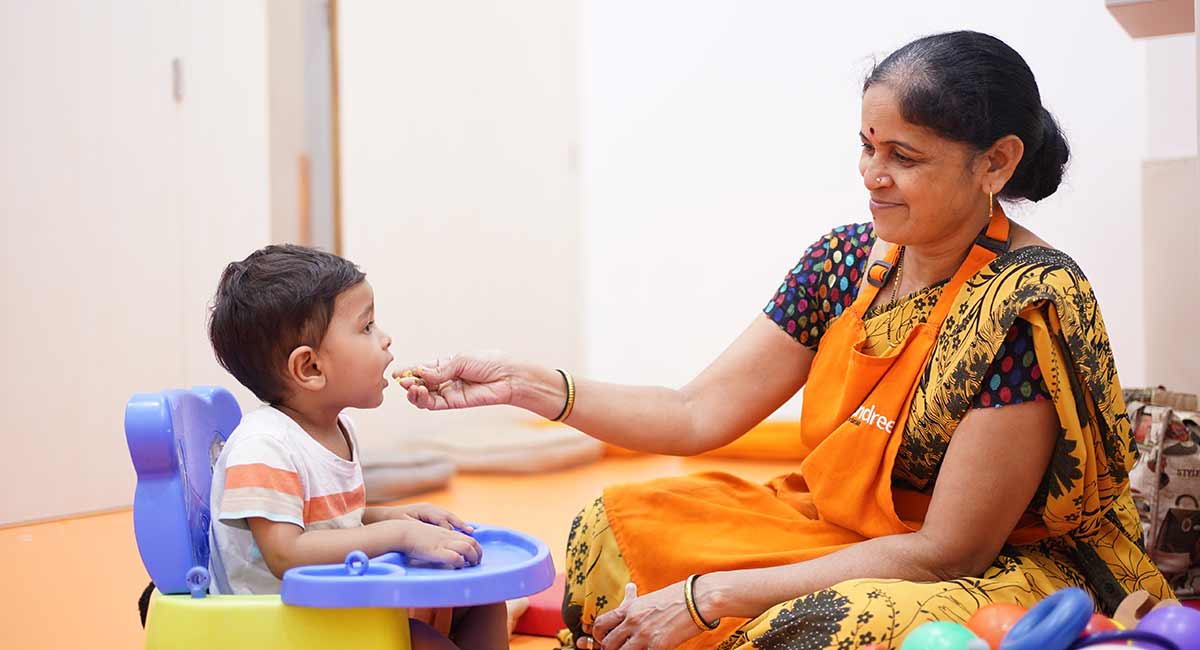


What’s right for a Toddlers Diet

They say it takes a village to raise a child. But here we are in mega cities and as parents constantly  struggling how even in nuclear setups, we do right by our child. Feeding a toddler while ensuring  he gets all the right nutrition is easier said than done. They are always on the move and rapidly  growing. A well fed child is playful and full of stamina ready to embark on new learning adventures. In contrast, a  child who is a picky eater or who consumes mostly  processed food is more likely to experience emotional and  behavioral problems. Good nutrition also positively impacts a child’s Bett wellbeing and sleep patterns.  Therefore, deciding what to feed a growing toddler becomes one of a parents biggest concern.  .

Here are some tips that can help you to navigate this mammoth task:

  1. Seasonal Fruits Fruits are juicy, come in different tastes – sweet and sour – and are full of essential vitamins and fiber. They can be eaten as it is or can be hidden in smoothies and shakes to keep the child full for longer durations.
  2. Whole Grains & Millets Focus on including unrefined grain servings like whole wheat or oats in your child’s chapattis, breads, pasta etc. Whole grains pack more dietary fiber, iron and B vitamins than their refined counterparts. Fermented millets in the form of idli and  dosa can also be super nutritious options to consider in your child’s tiffin snacks.
  3. Vegetables Your growing child’s meal should have 3 vegetables of different colors. Green vegetables like spinach are high in Vitamin K and Orange and Red vegetables provide Vitamin A. Peppers are a source of Vitamin C and Cabbages & Cauliflower are known as cruciferous vegetables that feed good gut bacteria.
  4. Dals / Lentils are a good source of protein if you are a vegetarian. They are also rich in essential nutrients like iron and folate – that supports the development of body mass, growth of new cells and expanding blood volume in your little one.
  5. Dairy Products Milk, Curd, cheese and buttermilk all are essential parts of a healthy child’s diet. While milk will provide your child with calcium, curd and buttermilk are rich in beneficial bacteria that aid  digestion. Including cheese in your child’s diet ensures they receive  protein and essential vitamins as well.
  6. Nuts and Seeds Dry fruits can always be a part of your toddler’s snack time. Almonds, cashew nuts, walnuts and pistachios are rich in antioxidants and micro nutrients and the fiber content in dry fruits is much higher than fresh fruits. Your child’s hair & skin will  benefit from these. Pumpkin seeds and flax seeds are rich in omega 3 fatty acids that boost  immunity. Zinc in pumpkin seeds enhances the functioning of white blood cells. Sweet  craving of your child can be fulfilled with raisins, figs and apricot which are less likely to  cause tooth decay.
  7. Beans and Legumes Legumes and Beans are excellent sources of protein, carbohydrates, micronutrients and phytochemicals. They are also rich in antioxidants that help prevent cell damage and fight diseases and aging.
  8. Good Fats Ghee or clarified butter is a super food that contains essential fatty acids necessary for a child’s growth. The antioxidant and antiviral properties of Ghee strengthen the kid’s immune system while Butyric acid in ghee helps improve gut health. Fresh coconut  and sesame seeds are also great sources for healthy fats for children.
  9. Eggs & lean meat Adding eggs to your child’s diet can provide him iodine, iron quality protein, omega 3 fats and Vitamins A, D, E & B12. Kids who eat eggs at breakfast can feel full for longer durations and this can help them at school with concentration and energy  levels and reduce the need for extra snacks. Similarly, Lean meats like chicken breast & fish  can be a good dietary inclusion for a non-vegetarian’s diet.
  10. Sugar Choosing jaggery and dates over white sugar is a healthier option for kids. Jaggery contains iron, calcium, magnesium and other minerals. Its high fiber content aids in digestion and prevents constipation. Dates are known to have liver protecting properties  and they promote brain growth and development, improve eyesight and reduce the risk  of allergies. Both Jaggery and dates help regulate sugar cravings.

Healthy eating habits are a gateway to overall well being. A balanced diet should  be complemented with a regular meal schedule , proper  intervals and portion control. Model the eating habits that you want your  child to develop by involving them in meal preparation and being patient when introducing new foods.  Remember, Rome wasn’t  built in a day; your child will need  time to adjust to new tastes.

Call Us Admission Enquiry