Finding the Best Preschool Near You – A Parent’s Guide to the Perfect Start

Your precious little one is growing up so fast, and in the blink of an eye, it’s time to find the perfect preschool for them. This is an important milestone in your and your child’s life journey. You are not just picking a school for your child, but you’re choosing a place where they’ll grow, laugh, make their first friends, and take their first steps into discovering the joy of learning. It’s definitely an exciting moment in life, but it can also feel a little overwhelming. 

With so many options available, how do you find the perfect preschool near you? A preschool where your little one feels safe, happy, and excited to go every day? A place that feels like a home away from home. The best preschool is finding a place that nurtures curiosity, builds confidence, and makes learning feel like play. Let’s walk through what really matters when finding the perfect preschool near you. 


A Curriculum That Prepares For The Future 

A preschool isn’t just about learning the ABCs and 123s. It is about building a strong foundation for future learning. The right curriculum helps children focus on critical skills like thinking, exploring, problem-solving, creativity, socialising, teamwork, communication, and building essential life skills. Preschool should encourage children to ask questions, explore new ideas, and develop confidence in their abilities. This is where their young minds start shaping their future. 


Where Teaching Feels Like Play

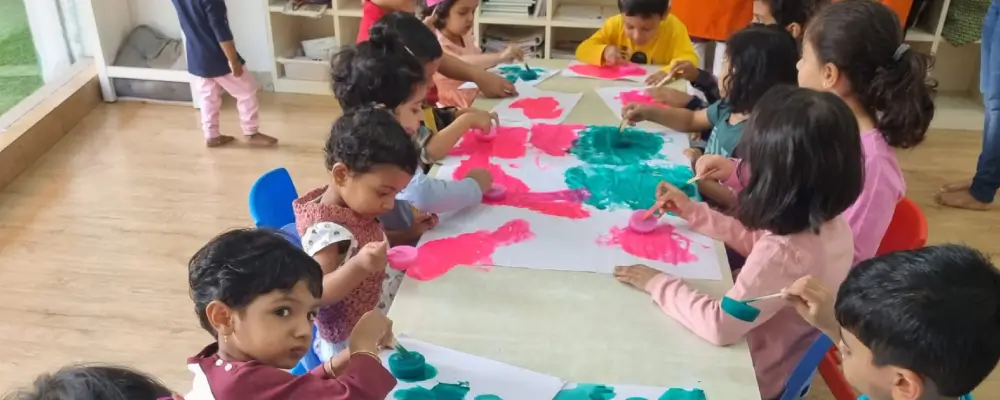
Children learn best when they are having fun. The best preschools blend structured learning with hands-on activities, turning each day into an exciting adventure. Learning through storytelling, music, arts and crafts, outdoor play, and other interactive methods ensures that children develop a love for learning that stays with them for life. 


An Inviting and Safe Environment 

A preschool should feel safe, warm, and welcoming for the children. Along with bright and engaging classrooms, the environment should be designed to keep children secure while they explore the world around them. Clean classrooms, child-friendly furniture and play materials, and hygiene standards should be top-notch. Plus, live CCTV streaming gives parents peace of mind, knowing they can check on their children at any time. 


 Teachers Who Make Learning Exciting. 

A great curriculum needs great teachers to bring it to life for the kids. The best teachers don’t just teach; they ignite curiosity, inspire, and are genuinely invested in each child’s growth. They understand that each child learns differently and give each child their own pace to learn and grow. They create a classroom experience that’s interactive and engaging and provide emotional support when needed. A loving and nurturing environment is necessary for the child to grow confidently. 


Teaching That Adapts to Every Child

Every child learns differently. Some love listening to stories, some thrive with hands-on activities, while others just want to jump around and explore through movement. That’s why the right preschool adapts its teaching methods to match each child’s unique learning style. Whether it’s interactive storytelling, role-playing, sensory play, or group activities, the right preschool near you ensures that learning is fun, engaging and meaningful for every child.


Why Foundree Preschool?

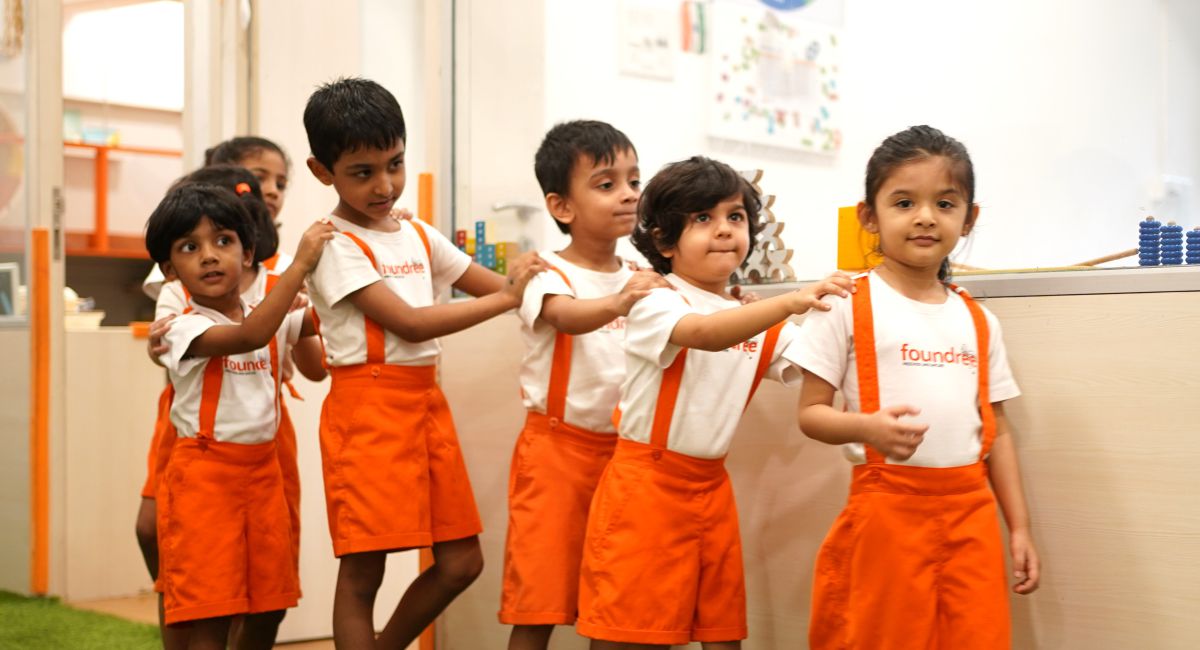
At Foundree, we believe that early learning should be exciting, enriching, and future-ready. Our teachers use a personalised, skill-based approach that makes learning fun, interactive, and exploratory. We encourage children to understand, experiment, and grow in a way that feels natural to them. With state-of-the-art learning facilities, secure play zones, and a warm and inviting atmosphere, Foundree provides everything your child needs to thrive, learn, and grow confidently. 

If you’re looking for the best preschool near you, Foundree Preschool, with multiple strategic locations spread across Mumbai, Navi-Mumbai, Thane, and Pune, offers the perfect environment for little learners to take their first steps to a brighter future. 

A Parent’s Quick Guide on Crafting the Perfect Preschooler Diet

As parents, we’ve all had those moments where we are trying to convince our children to eat something healthy while they demand a cookie or a packet of chips. Finding the right balance between what they want and what they need can feel like an endless tug-of-war. But did you know that the foods your child eats now play a vital role in their physical and cognitive growth?  This guide will show you how to create a nutritious, child-friendly diet that keeps them happy and energetic for all their adventures.


Why Nutrition Matters

A balanced diet supplies children with the essential nutrients for brain development, strengthening muscles and bones, a robust immune system, and sustaining energy throughout the day. Introducing various healthy foods early also encourages children to develop a positive relationship with food, laying a foundation for a healthy lifestyle. 


What makes a Balanced Diet for a Preschooler?

A balanced diet for a preschooler should include a variety of healthy, home-cooked, nutrient-rich food in the right proportions. A child’s plate should include a mix of micronutrients (vitamins and minerals) and macronutrients (carbohydrates, proteins, and fats) to keep the plate colourful, interesting and flavourful. 

  • Fruits and Vegetables: Fruits and vegetables need to be included daily as they are loaded with essential vitamins, minerals and fibre. You can serve them in a creative manner, like fruit skewers and veggie sticks with dips, to make eating them fun and engaging. 
  • Whole Grains: Whole grain foods like chapati, brown rice, quinoa, oats, whole-wheat bread and pasta provide steady energy, fibre and vitamin B. Avoid refined grains like white rice and all-purpose flour, which can affect blood sugar levels. 
  • Lean Protein: Protein is the foundation of strong muscles and bones in a developing child’s body. This diet can be customised with vegetarian options like beans, peas, lentils, and seeds or non-vegetarian alternatives like eggs, chicken and fish. 
  • Healthy Fats: Fats are essential for growing brains. A balanced diet should contain healthy unsaturated fats such as nuts, seeds, avocados or fish. 
  • Dairy foods: Dairy items such as milk, yoghurt, and small amounts of cheese are good sources of calcium and vitamin D, essential for strong bones. 
  • Water: Ensure your child has sufficient water throughout the day, as children often forget their water intake. Avoid sugary drinks like processed fruit juices and soft drinks. 


Making Healthy Eating Fun

Establishing healthy eating habits in preschoolers can be tricky and requires patience, consistency and creativity. 

  • Set an Example: Children learn by observing. Set a positive example by including a well-balanced diet in your meals, which would encourage your child to enjoy these foods as well. 
  • Involve Children in Meal Preparations: Making a game out of tasks like washing vegetables, stirring ingredients, or setting the table would give them a sense of ownership over their meal and make them more excited to try the food they’ve helped prepare. 
  • Make Meals Colourful and Fun: Incorporating creativity in food presentations with fun shapes and arrangements would excite children to eat their meals more.
  • Offer a Variety of Foods: Including a wide range of food helps children develop their taste buds for different types of foods and textures. 


Introducing New Food to Preschoolers

Introducing new healthy food to children can be challenging, but it is essential to developing a healthy, balanced diet. 

  • Start Small: Prepare new foods with familiar favourites to encourage kids to try new foods. 
  • Turn It into a Game: Assign roles like “food explorer” or “food tester” to your child and involve them in the process of innovating new food.
  • Be Patient:  Encourage your child with positive reinforcement and avoid pressuring them.


What About Snacks?

Snacks are important for maintaining energy levels between meals but should be nutritious and portion-controlled. 

Swap crisps and sugary treats for healthier options like:

  • Fresh fruit slices with yoghurt
  • Veggie sticks with hummus
  • Whole-grain crackers with cheese


Building Healthy Habits for Life

A balanced diet is not just about the food on the plate but also about mindful eating. Encourage family conversations and avoid distractions like televisions and toys at the table to allow children to focus on their food and enjoy the process of eating.

Establishing healthy eating habits during preschool years lays the foundation for a lifetime of healthy choices. By encouraging your preschoolers to try a variety of nutritious foods in creative, engaging ways, you’re equipping them with the tools for a healthy, happy future. Explore kid-friendly recipes, involve your little one in the kitchen, and make their mealtime fun and enjoyable.

Enhancing Early Learning: Engaging Nursery Rhyme Activities for Home

Twinkle Twinkle Little Star, How I Wonder What You Are – do you remember signing this memorable rhyme excitedly as a child while gazing at the tiny star in the night sky? Those moments of singing, dancing and clapping to nursery rhymes are magical memories that stay with us all our lives. These delightful nursery rhymes have enchanted children with playful characters and catchy tunes for generations. Nursery rhymes entertain children and help little ones learn and enhance their creativity.   


The Importance of Nursery Rhymes for Preschoolers

Introducing children to a wide range of nursery rhymes can benefit and support their growth and development. Nursery rhymes aid children in understanding and learning about different sounds, encourage them to use storytelling, ignite their little imaginative minds, and boost language development and memory retention. They also help children develop a sense of rhythm and word patterns, foundational for reading and writing. 


How Nursery Rhymes Enhance Early Learning?

Nursery rhymes are an invaluable tool that helps preschool children’s cognitive, linguistic and emotional development. 

  • Cognitive Development: The lively rhythms and repetitive patterns of nursery rhymes, like “Jack” and “Back,” “Jill” and “Hill,” create playful tunes that spark brain development in preschoolers. These repetitions and patterns act like brain exercises that boost memory, improve problem-solving skills and teach children to recognise sequences, laying the foundation for early cognitive growth. 
  • Language Acquisition: Nursery rhymes introduce children to new words and phrases, building their vocabulary in a fun and engaging way. For example, words like “twinkle,” “wonder”, and “diamond” expand language skills, while rhyming words like “star” and “are” help boost phonemic awareness, which is a critical skill for reading.  
  • Rhythm and Coordination: Engaging in energetic and rhythmic nursery rhymes is about singing and getting the little ones moving and dancing. For example, “If You’re Happy and You Know It” encourages children to clap, stomp, and perform actions in a timely rhythm. This combination of movement and rhythm helps build physical coordination and improve motor skills. 
  • Social Interaction and Communication Skills: Singing nursery rhymes at home creates a joyful bond between you and your child. Rhymes like “Ring Around the Roses” encourage turn-taking and shared joy, all nurturing social interaction. These playful moments help children practice expressing themselves and develop listening and responding skills that lay a strong foundation for effective communication.
  • Cultural Literacy: Nursery rhymes like “Old McDonald Had A Farm” and “Three Little Kittens” are sung through generations, passing the cultural treasure onto little ones. Introducing children to these traditional verses enriches their cultural literacy and helps build a connection to their culture and heritage.  
  • Numeracy: The grasping pattern of children is naturally strong at this age when they develop an understanding of patterns, sequencing, and counting through nursery rhymes. Many rhymes like “One Two Buckle My Shoe” and “Five Little Ducks” help provide a playful foundation for understanding numeracy and developing early maths skills.
  • Confidence Building: Encouraging and singing along with children helps boost their confidence in themselves. Cheering on as they express themselves through rhymes like “If You’re Happy and You Know It” contributes to their positive self-image and belief in their unique abilities. 


Engaging Nursery Rhyme Activities for Home

Nursery rhymes are an excellent way to add fun and magic to a child’s playtime at home. It gives a fantastic opportunity for parents to connect and bond with their precious little ones. These enchanting tunes can bring learning into everyday activities like bath time or bedtime by creating fun language and memory development opportunities. Parents can bring these rhymes to life with some creative ideas, making them a fun, playful and engaging activity at home.

  • Visual Delights: Nursery rhymes are all about capturing the little imaginative mind of the child. For example, while singing “Itsy Bitsy Spider,” you can create simple visual aids like hand gestures to mimic the spider’s climb, hand-drawn illustrations, or pop-out prints of the spider and waterspout to create a visually stimulating experience. The visuals help enhance the child’s understanding and engagement while singing together, adding an extra layer of excitement. 
  • Crafty Creations: Combining art with nursery rhymes is a fantastic way of cultivating a hands-on, creative experience for the child. For example, while singing “Five Little Monkeys Swinging in the Tree,” you and your child create little monkey figures using brown paper, googly eyes and yarn tails. 
  • Thematic Dress-Up: Another fun activity for parents and children is to play dress-up while enacting the nursery rhymes at home. For example, while singing “Baa Baa Black Sheep,” you can encourage your child to dress up as a sheep or a farmer, making the experience more interactive and thrilling. 
  • Sensory Adventures: Engaging multiple senses during nursery rhymes incorporates a child’s various cognitive and motor skills development. Highlighting various senses like texture, scent, and taste makes the rhyme more memorable while creating lasting memories for your little one. For example, while singing “Pat-A-Cake,” have your child knead the dough, enhancing their connection to the rhyme. 
  • Interactive Play: Instead of just singing rhymes, transform them into interactive games that your child can actively participate in. For example, while singing “Old MacDonald Had a Farm,” you can hide toy animals or pictures of animals around the house for your child to find, matching the animal to the verse of the rhyme. This adds a layer of a fun adventure with your little one at home.
  • Incorporate Your Own Music: Use household items like pots and rice in containers or provide child-friendly toy musical instruments to your children to create their own rhythm to the nursery rhyme. For example, while singing “Hickory Dickory Dock,” your child can tap a spoon on a pot or ring a bell to mimic the clock’s ticking. This adds a creative and musical twist, helping develop their sense of rhythm.  
  • Storytelling: Nursery rhymes are the perfect way to captivate the imaginative minds of the little ones. Creating a storytelling corner and talking about the narrative of the rhyme with the child encourages curiosity in their minds. For example, after singing “Hey Diddle Diddle,” you can ask your child, “What do you think the cow did after it jumped over the moon?” This encourages children to think critically and imaginatively and enhances their comprehension skills. 


Nursery rhymes hold an immense potential for early childhood growth and development. With a touch of creativity, they can become cherished memories between parents and children. With imagination, creative tools and incorporating sensory experiences, parents can make nursery rhymes come alive for preschoolers while fostering their love for learning. Embrace the creative power of nursery rhymes and embark on an imaginative adventure with your little one.

Preschool Diwali Celebrations: Little Hands, Big Festivities

Diwali is the vibrant and joyous celebration of light triumphing over darkness. This festival of light is when families come together in celebration, illuminating their homes with twinkling diyas and colorful rangolis while distributing delightful sweets to family and friends. Diwali celebrations in preschools are all about introducing children to the values and traditions of these big festivities in a fun and creative manner so that kids can learn, play, and enjoy the festivities with their little hands and big smiles.

Deepavali celebrations in preschool at Foundree are all about embracing the true spirit of Diwali. We believe in celebrating togetherness, building connections, encouraging creativity and meaningful learning for our little ones. We like to emphasise the importance of eco-friendly, firecracker-free, and noise-free celebrations creating an atmosphere filled with harmony and pure joy. We teach our children to spread joy and kindness to everyone around them, from their families to friends and the world beyond.

Our Diwali “Light and Sparkle” theme beautifully reflects these beliefs and values. Diwali is more than the idea of light as something we see; it is about the light we create and carry within us and the light we share with those around us. Diwali activities for children in preschool are an excellent opportunity to understand and appreciate the cultural mixture of our society in a fun manner. 


The Story of Diwali: What Diwali Means To Us In Traditional Context

Diwali is one of the most important festivals in India to Hindus and has a rich history rooted in various mythological legends and traditions across India. Deriving its name from the Sanskrit word, “Deepavali,” Diwali literally means the row (avail) of clay lamps (deepa). The festival symbolizes the spiritual victory of light over darkness, good over evil and knowledge over ignorance. 

One of the most popular stories of Diwali is the celebration of the return of King Ram to Ayodhya after he defeated the demon King Ravan. In other tales, the festival celebrates the day Lord Krishna defeated the demon Narakasura. Diwali is also celebrated to honour Goddess Lakshmi, the deity of wealth and prosperity to seek her blessings and invite good fortune and auspicious beginnings. 

Across many cultures and religions, the festival of Diwali is celebrated with lights to signify the eradication of darkness from our thoughts and homes, it signifies new beginnings, positivity and fortune. Diwali celebrations in preschool are a beautiful occasion for family, friends, and communities to come together in celebration.


Embracing Diwali Celebrations at Foundree

Embracing Diwali celebrations in preschool education is an opportunity to immerse our children in the beauty of cultural diversity and heritage that make our world so unique. We embody the theme of “Light and Sparkle,” crafting activities that ignite a sense of creativity, curiosity and learning in every child. Through interactive storytelling and various engaging hands-on activities for Diwali in preschool, we guide our children to discover the true essence of Diwali.


Light and Sparkle Activities

  • Sparkling Lantern Parade : With this activity, we encourage children to illuminate their own creative talent. The sparkling lantern parade is a delightful Diwali craft for preschoolers to make their own exclusive lanterns with their little hands. Children parade together, lighting up the pathway with their handmade wonders and big smiles, discovering the joy of creation and community.
  • Magic Sparkle Wand Craft : This magical Diwali craft for preschoolers is for the little hands to engage in creativity and design their own magic wands. Using sparkly materials like glitter, sequins, ribbons and shiny paper, children are inspired to unleash their imaginative minds.
  • DIY Diya Decoration : Diwali celebrations in preschools are incomplete without each child having their own unique diya. Each child can personalize their own clay diyas with bright paints, glitter and stickers to reflect their inner light. This Diwali activity for preschoolers encourages self-expression and introduces children to sustainable celebrations.
  • Shimmering Rangoli Creation : A fun and playful collaborative Diwali activity for preschoolers is for children to come together to design and create a large, colorful rangoli for their classroom. Using colored rice, sand and flower petals, along with glitter and sequins, children can make their own beautiful masterpieces to admire. This activity helps build community spirit and inspires their creative little minds.
  • Glow Yoga Sessions : A unique Diwali activity for preschoolers is where children are encouraged to stretch and move in a serene environment. Illuminated by soft glowing lights around them, this enchanting session provides a delightful blend of mindfulness and harmony, guiding children in finding their inner light and peace.
  • Twinkling Diwali Tales : Through engaging and interactive storytelling, our little ones are introduced to the magical tales and legends of Diwali. Fascinating tales of the return of Lord Ram to Ayodhya and the story of Lord Krishna defeating the demon king Narakasure convey the cultural and moral values of little ones while captivating the imaginative minds of children.

Diwali celebrations at Foundree are designed to offer a fantastic opportunity for little ones to learn while having fun. This Festival of Lights provides a beautiful platform for preschoolers to explore their creativity and imagination while learning about cultural values and traditions. At Foundree, we encourage children to develop a deeper appreciation for this diverse world and embrace community and togetherness. By celebrating these big festivals, we help in holistic development and shape the young minds of our precious little ones to mould their bright futures.

As we create precious memories this Diwali, may this Festival of Light bring you happiness and prosperity and illuminate your homes with warmth, love and joy.

Happy Diwali!!

The Impact of Preschool Teachers on Social Skill Development in Young Learners

In the formative years of childhood, preschool teachers are the first educators and know that their role is far larger than just imparting academic knowledge. As with teachers, parents are increasingly recognizing the importance of early education during the formative years. While a decade ago, formal learning typically began around ages 7-8 with Grade 1, growing awareness and access to research have shifted this understanding. Today, parents know that cognitive development is most rapid between the ages of 3-5. During this critical period, children are actively developing their senses, observing their surroundings, and forming essential neural connections that shape their future learning and personality.


As a result, preschool has become a vital aspect of every parent’s life, from selecting the right type of learning curriculum to building trust with teachers. Education today is more of a collaborative journey than a one-way, theoretical process. It’s a co-creation between parents, teachers, and the child. Isn’t it reassuring that we are now more aware and can take conscious steps for our children’s future? If you’re just beginning to consider this, read on to discover the benefits of holistic early childhood education and why it forms the foundation of Foundree’s educational philosophy.


The beginning of something big

At Foundree, preschool teachers are more than just educators—they are mentors and guides who support children through their social and emotional development. Their influence helps children learn to manage their emotions, express themselves appropriately, and develop a growing curiosity for exploring activities at school. 


At Foundree, teachers engage children in interactive, play-based learning activities that promote active participation. With an optimal child-to-adult ratio, teachers can closely observe each child, allowing for personalized guidance. This detailed observation enables teachers to scaffold children’s development of key socio-emotional skills such as sharing, mindful listening, taking turns, and working in teams.


Confidence building through Play 

Children love to play, and when learning is integrated into activities like stacking blocks, puzzles, and role-playing, they gain hands-on experience in applying concepts. Circle time, a daily routine, encourages children to listen to stories, sing songs, and share their thoughts. This teaches valuable skills like active listening and turn-taking, helping children express their ideas while respecting the opinions of others. At Foundree, early childhood education emphasizes the importance of self-expression. When children feel confident in their own perspectives, they are more likely to grow into well-rounded, self-assured adults


Foundree classrooms are thoughtfully designed to create a playful and engaging environment for children. With open-ended wooden teaching materials and a variety of books, each space is intentionally crafted to promote specific skills and learning experiences. This setup ensures that children are not only having fun but also developing key skills aligned with the room’s educational purpose. 


At Foundree, preschool teachers carefully observe each child’s natural preferences and gently encourage them to explore new activities, keeping their curiosity alive. Whether engaging with numbers, languages, or skill-building tasks like vegetable cutting and clay modeling, learning becomes effortless through play. This approach also fosters independence, as children discover their personalities and develop a strong sense of self each day at Foundree.


Nurturing TeamWork and Social Values

Apart from the skill based curriculum, the role of preschool teachers is to instill the value of team-work and community contribution. Foundree conducts collaborative activities such as cleaning school spaces, organizing empathy drives during “Joy of Giving” week, and setting up stalls to sell items made by the children. These initiatives are designed to foster independent thinking, social responsibility, and a sense of community in children. This ensures that children understand that their actions matter and that we as a community can make a big impact with the smallest of efforts.


Shaping Early Childhood Development

A child’s future success, both academically and personally, is greatly influenced by the social skills they develop with their peers during preschool. At Foundree, we  ensure that children join a positive peer group aligned with our holistic development approach. This creates an environment where learning becomes effortless. Children who master social interactions early on develop greater empathy and resilience, equipping them to face challenges with confidence.


At Foundree school, our teachers are committed to providing children all the tools they require to thrive socially. Through careful thought activities, personal attention, and consistent guidance, they help shape children into positive individuals who can contribute to their society. Social skill development is not just a part of Foundree education, it is the foundation upon which our entire approach to early-childhood education is built. If you wish to help your child embark on this fulfilling journey, where they can grow, learn and develop social/emotional skills, please reach out through the “Contact Us” information section, and we will be happy to take you through our curriculum in further detail.


Toddler Care during Monsoons

If there is a season that invokes polar feelings in people – It is the monsoons. Some absolutely love it – the Pluviophiles, while many others find rains depressing. Rains do mark the end of torturous heat but they bring along different kinds of challenges for everyone.


Parents of toddlers are eager to enjoy the season, but are often concerned about their child’s still developing immunity. The humid weather creates an ideal environment for microorganisms to thrive leading to heightened risk of skin allergies, stomach infections, and frequent colds which can result in mood swings. As outdoor time becomes more limited, managing monsoon care for Toddlers presents additional challenges for parents.


Here are some monsoon child care tips to help you navigate this tricky weather with you little one, ensuring peace of mind and control during the season


  • Child Hygiene : –  It’s most important to keep the kids dry and clean in this humid weather. Humidity augments the growth of bacteria that can cause infection in children. Dress your little one in breathable cotton clothes. It is advised to keep a careful eye on the underarms, neck, and other folds and creases of the body, to ensure that there is no moisture left.
  • Moisture Management: –  The increased moisture is an unwelcome guest in your child’s cupboards and storage chests. This can lead to mold build up in your toddler’s wardrobe. Invest in some good dehumidifiers and moisture absorbers. They will protect your baby’s daily use items from fungus and keep skin irritation due to constant wetness at bay. The moisture absorbers come in various sizes and shapes perfectly suitable for cupboards and drawers of all types. Electric – reusable versions of de humidifiers can also be a good option if you live in a place that has a long monsoon season.
  • Dry surroundings: –  Use a mild disinfectant to clean the floors and to keep flies, mosquitoes and germs at bay. It is extremely important to maintain good hygiene around your child, especially during monsoon season so check your drainage systems, washroom and other places in and around the house and do not allow water to accumulate.
  • Toddler Monsoon Activities: – Invest in quality raincoats, gumboots and umbrellas and do allow the children to enjoy light rains in clean gardens. Monsoons allow for a lot of exploration activities outdoors. Nature walks enhance the sensory perception in children and help them to unwind and de-stress. Making paper boats and seeing them float away is such a joy for every child. Making rain shakers, umbrellas and wind chimes etc can be a great way to add some indoor craft fun. Music and movement with your toddler can also add joy to your stay at home time.
  • Diaper free time – Constant wetness along with high humidity levels in the surroundings makes long diaper use inconvenient for the child. Give the diaper a skip when your child is at home and allow the skin to breathe. This practice will help in keeping rashes at bay.
  • Toddler Monsoon Diet: – Take extra care to buy food in its freshest state and utilize it quickly during the rainy season. Avoid keeping cut fruits and vegetables even in a refrigerated state. Consume freshly cooked meals. Warm Soups are a great way to provide your child essential vitamins, minerals and dietary fiber. They are known to help fight colds, cough and flu and are soothing too. A good way to enhance taste and include rich antioxidants essential for a monsoon friendly diet is to add garlic to curries, dals, soups and stir-frys.


The rainy season brings out the vibrant beauty of nature, with lush greenery, colorful rainbows, and the calming sound of raindrops creating a magical atmosphere. By practicing thoughtful toddler monsoon care, parents can ensure their little ones stay healthy and comfortable, allowing the whole family to fully embrace and enjoy the season. With the right precautions, both parents and children can delight in the cool, refreshing breezes and the gentle rhythm of the rain, turning the monsoon into a time of joyful exploration and bonding. The season becomes an opportunity to create lasting memories, from splashing in puddles to cozy indoor activities, all while keeping your child safe and content.


What’s right for a Toddlers Diet

They say it takes a village to raise a child. But here we are in mega cities and as parents constantly  struggling how even in nuclear setups, we do right by our child. Feeding a toddler while ensuring  he gets all the right nutrition is easier said than done. They are always on the move and rapidly  growing. A well fed child is playful and full of stamina ready to embark on new learning adventures. In contrast, a  child who is a picky eater or who consumes mostly  processed food is more likely to experience emotional and  behavioral problems. Good nutrition also positively impacts a child’s Bett wellbeing and sleep patterns.  Therefore, deciding what to feed a growing toddler becomes one of a parents biggest concern.  .

Here are some tips that can help you to navigate this mammoth task:

  1. Seasonal Fruits Fruits are juicy, come in different tastes – sweet and sour – and are full of essential vitamins and fiber. They can be eaten as it is or can be hidden in smoothies and shakes to keep the child full for longer durations.
  2. Whole Grains & Millets Focus on including unrefined grain servings like whole wheat or oats in your child’s chapattis, breads, pasta etc. Whole grains pack more dietary fiber, iron and B vitamins than their refined counterparts. Fermented millets in the form of idli and  dosa can also be super nutritious options to consider in your child’s tiffin snacks.
  3. Vegetables Your growing child’s meal should have 3 vegetables of different colors. Green vegetables like spinach are high in Vitamin K and Orange and Red vegetables provide Vitamin A. Peppers are a source of Vitamin C and Cabbages & Cauliflower are known as cruciferous vegetables that feed good gut bacteria.
  4. Dals / Lentils are a good source of protein if you are a vegetarian. They are also rich in essential nutrients like iron and folate – that supports the development of body mass, growth of new cells and expanding blood volume in your little one.
  5. Dairy Products Milk, Curd, cheese and buttermilk all are essential parts of a healthy child’s diet. While milk will provide your child with calcium, curd and buttermilk are rich in beneficial bacteria that aid  digestion. Including cheese in your child’s diet ensures they receive  protein and essential vitamins as well.
  6. Nuts and Seeds Dry fruits can always be a part of your toddler’s snack time. Almonds, cashew nuts, walnuts and pistachios are rich in antioxidants and micro nutrients and the fiber content in dry fruits is much higher than fresh fruits. Your child’s hair & skin will  benefit from these. Pumpkin seeds and flax seeds are rich in omega 3 fatty acids that boost  immunity. Zinc in pumpkin seeds enhances the functioning of white blood cells. Sweet  craving of your child can be fulfilled with raisins, figs and apricot which are less likely to  cause tooth decay.
  7. Beans and Legumes Legumes and Beans are excellent sources of protein, carbohydrates, micronutrients and phytochemicals. They are also rich in antioxidants that help prevent cell damage and fight diseases and aging.
  8. Good Fats Ghee or clarified butter is a super food that contains essential fatty acids necessary for a child’s growth. The antioxidant and antiviral properties of Ghee strengthen the kid’s immune system while Butyric acid in ghee helps improve gut health. Fresh coconut  and sesame seeds are also great sources for healthy fats for children.
  9. Eggs & lean meat Adding eggs to your child’s diet can provide him iodine, iron quality protein, omega 3 fats and Vitamins A, D, E & B12. Kids who eat eggs at breakfast can feel full for longer durations and this can help them at school with concentration and energy  levels and reduce the need for extra snacks. Similarly, Lean meats like chicken breast & fish  can be a good dietary inclusion for a non-vegetarian’s diet.
  10. Sugar Choosing jaggery and dates over white sugar is a healthier option for kids. Jaggery contains iron, calcium, magnesium and other minerals. Its high fiber content aids in digestion and prevents constipation. Dates are known to have liver protecting properties  and they promote brain growth and development, improve eyesight and reduce the risk  of allergies. Both Jaggery and dates help regulate sugar cravings.

Healthy eating habits are a gateway to overall well being. A balanced diet should  be complemented with a regular meal schedule , proper  intervals and portion control. Model the eating habits that you want your  child to develop by involving them in meal preparation and being patient when introducing new foods.  Remember, Rome wasn’t  built in a day; your child will need  time to adjust to new tastes.

Mom – The original teacher, The eternal guide

Mother’s Day takes on a new significance once you become a mother yourself. Reflecting on your own journey of motherhood, you are amazed by how much you have grown and learned, while also being filled with deep admiration for your own mother – your first and most enduring teacher!


Bond before birth

The role of a mother in our life begins much before a child arrives in this world encompassing a vast spectrum of care and guidance. The tale of Abhimanyu, the valiant warrior from the Mahabharata, highlights the profound impact of a mother’s emotions, thoughts, and experiences on the development of a child – even within the womb! 


The Emotional Quotient builder

A mother’s love is unconditional. Through her words and gestures a mother provides the child a sense of security and helps in developing a positive self image.  Across various life experiences, mothers subtly impart invaluable lessons in kindness, compassion, and empathy. Like adept teachers, mothers who employ techniques like “time out”, empower children to understand and manage their own emotions, cultivating emotional security that translates into adaptability in new environments and among new acquaintances. These socio-emotional skills are complex to impart but once a child practices them as part of his growing up years, the mother knows she is excelling in her maternal role.


Life Skills Trainer

The finest educators understand that teaching a child extends far beyond linguistic and cognitive skills. This is where the role of another comes into play. From her tender sing-song cooings to the art of cooking, a mother imparts wisdom through action. Mothers inherently grasp that learning through natural experiences is the most effective method for their child’s holistic development. 


Personality Development Coach

Along with all the responsibilities of mother in the family, she also plays the role of a for the child. A mother provides support and encouragement to the child for the development of independence and confidence. She knows the importance of giving the child the freedom to explore, make choices and take risks to help build self confidence. But being a mother is not easy! Yet, motherhood is no easy feat. Mothers also imbibe resilience in their children, providing reassurance during moments of failure or disappointment. Guiding them through conflicts is yet another vital aspect of the maternal role.  


Mommy is the new Siri

Mothers don’t just find all misplaced things, they also know and choose for the child – the best of clothes, foods, shoes, doctors, books, best preschool, best vacations and experiences! Like Siri, they have a story for everything and therefore mothers also are a source of moral & ethical guidance. As role models themselves, mothers also teach the child character building traits of honesty, integrity & respect. From home remedies to rituals and traditions they tell you all.


Mothers, the gentlest figures in a child’s life, also prove to be the most sincere and inspiring educators. It is no coincidence that the word “MOM” reflects as “WOW” – a testament to the awe-inspiring impact they have on their children’s lives.


Here’s to wishing everyone a very Happy Mother’s Day! And let’s not forget to extend our wishes and appreciation to our mothers once again on Teachers’ day!


Parents as Collaborators: The Way Ahead!

More than anyone else, parents know their children best and for that reason, parents’ involvement is considered a crucial aspect of their children’s ongoing learning and developmental activities. Early childhood learning provides kids with the necessary foundation to ensure lifelong learning success. Studies have proved that the more parents are involved in their children’s learning process, the more their chances to excel. Children tend to be willing to try new activities and be more confident to take risks while doing them in the presence of their parents. Today, there are many ways by which schools like Foundree Preschool and Daycare encourage parents to be actively involved in their children’s learning activities and be part of their developmental process. This article will discuss how Foundree enables parents to enhance their kids’ performance by staying in touch with their learning activities. 

Parents’ Role in Children’s Education at Foundree 

At Foundree, we believe that parental involvement is not just limited to attending or participating in school events. It necessitates active collaboration between parents and teachers to bring out the best in children. We understand active participation from parents will provide children with an enriching and supportive environment to ensure enhanced developmental learning. To make parent-teacher communication smoother and ensure that parents are regularly updated with their child’s progress, Foundree Preschool and Daycare has introduced the Foundree app. Through this app, parents can gain insights into the everyday experiences and learning of their children at school. This also allows parents and teachers to engage with each other, thus, offering a holistic approach to kids’ development by addressing their unique needs and preferences. 

Effective parental participation will lay a strong foundation for the school readiness of their child. This involves nurturing essential skills and behaviours that prepare the kids for their formal educational setting. Many parents of Foundree students understand the significance of collaborative learning and actively support their children’s education by engaging in prescribed at-home activities provided through the app. School readiness means analysing the skills and behaviours that the child requires to excel in school and it is not limited to academic abilities like reading and doing math. It also includes various other skills such as how to interact with people, play, think and regulate emotions. This way, along with improving academic abilities, parents’ involvement in their child’s learning also ensures their social and emotional growth.


Apart from allowing parent-teacher communication and providing instant updates on children’s progress, the app also offers several video strategies on how to carry out do-at-home activities with their children. This will enable parents to cater to their child’s unique needs. Parents will have a clear understanding of the strengths and interests of their child and can help them boost their skills and talents. That’s how Foundree focuses on involving parents as collaborators in their children’s learning journey. 

The Foundree Influence 

Parents are crucial catalysts in shaping their children’s educational growth. Today, several proud parents continue to actively participate in their child’s success story via the Foundree app. The app provides real-time access to the daily activities and performance of their children. Parents can interact with teachers and design learning strategies for their children to succeed in learning. They can analyse their kids’ learning progress and revise the lessons that they learned at school. The app also provides a guide on how to assist children in their home assignments and projects. This way, Foundree Preschool and Daycare provide an environment for both parents and teachers to positively contribute to the learning and developmental journey of children and help them unlock their true potential. 


Daycare Advantages: Nurturing Your Child’s Growth

In today’s fast-paced world, juggling multiple responsibilities is rather daunting for parents. And the biggest challenge for them is finding reliable childcare.

This is where daycare centres come into play, offering a multitude of advantages that contribute significantly to a child’s growth and development.


The Importance of Daycare

Daycare provides children with a structured environment where they can learn, play, and socialize under the supervision of trained and dedicated professionals. These centres offer a safe and nurturing space for children to explore and discover the world around them.


The Role of Daycare Centres

Daycare centres play a pivotal role in providing quality childcare services to families. With experienced caregivers who are well-versed in early childhood education and development, these caregivers create a conducive environment that fosters learning, creativity, and social interaction.


Exploring Daycare Advantages


– Early Learning Programs

Daycare advantages include access to early learning programs that are designed to stimulate a child’s cognitive, emotional, and physical development. These programs are designed to offer age-appropriate activities that encourage curiosity, problem-solving, and communication skills.


– Socialisation Opportunities

One of the key benefits of daycare is the opportunity for children to socialize with their peers. Interacting with other children helps them develop essential social skills such as sharing, taking turns, and empathy. These interactions lay the foundation for healthy relationships and emotional intelligence later in life.


– Structured Routine

Daycare centres follow a structured routine that includes childcare activities, meals, nap times, and playtime. This consistency provides children with a sense of security and stability, which is essential for their overall well-being and development.


– Exposure to Diversity

Children enrolled in daycare centres are exposed to a diverse range of cultures, backgrounds, and experiences. This exposure helps children’s growth and development by fostering acceptance, tolerance, and respect for others.


– Preparation for School

Daycare programs often include early childhood education components that prepare children for formal schooling. Through age-appropriate lessons and activities, children develop foundational skills such as literacy, numeracy, and problem-solving, setting them up for success in school and beyond.


To sum it up, the advantages of daycare extend far beyond simple childcare. These centres play a crucial role in nurturing a child’s growth and development by providing access to early learning programs, socialization opportunities, structured routines, exposure to diversity, and preparation for school.


As parents navigate the challenges of balancing work and family life, daycare centres offer a valuable support system that promotes the holistic development of children.


So, whether you’re considering daycare admission for your child or exploring daycare programs available in your area, rest assured that investing in quality childcare is one of the best decisions you can make for your child’s future.


Call Us Admission Enquiry