
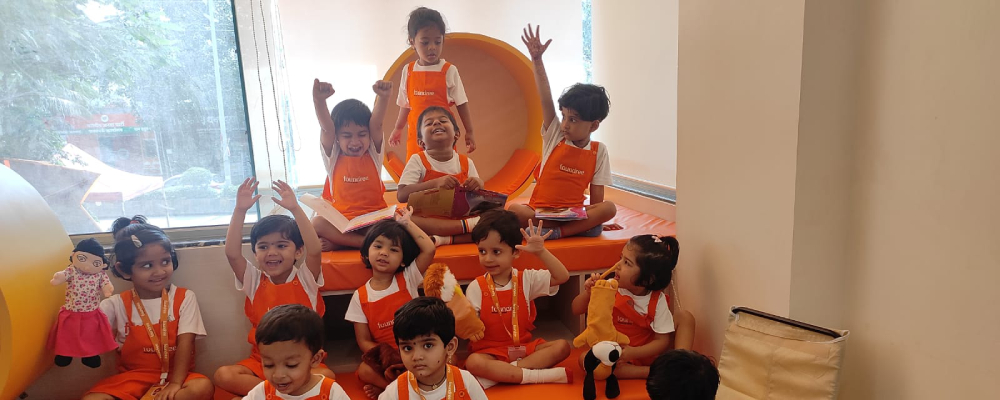
Unlocking the Power of Happy Childhoods: Foundree Preschool and Daycare’s Holistic Approach

In today’s fast-paced world, childhood experiences often become overshadowed by the pressures of academic achievement. On the contrary, childhood should serve as the foundation for a child’s holistic development, shaping their beliefs, values, and overall well-being. A happy childhood lays the groundwork for a thriving individual, equipping them with essential foundational skills and fostering their cognitive, emotional, and social growth. By providing nurturing and joyful experiences, one should strive to create the conditions necessary for children to flourish and reach their full potential. Let us delve into the importance of a happy childhood and discover how Foundree Preschool and Daycare help in finding and nurturing one.


Unleashing Potential through Personalised Curriculum 

Childhood, in our opinion, is an art form to be nurtured rather than a science to be standardised. Foundree makes sure that each child’s individual potential is discovered and acknowledged by providing a tailored curriculum. Children are encouraged to stand out and develop their own abilities rather than following a set curriculum. Children learn at their own speed using a level-based activity method, mastering tasks before moving on to the next level. With this specialised method, kids can grow in self-assurance, foundational skills, love of learning, and profound self-awareness.


Inspiring Environments for Unhurried Growth 

At Foundree, childhood knows no limits. Thoughtfully-designed, spacious, and immersive classrooms create an environment where children are encouraged to explore and discover. Inspired by Scandinavian architecture, Foundree’s clean and green infrastructure transforms the entire preschool into a playground. Outdoor playscapes provide ample space for curiosity, physical activity, and unbounded joy. These immersive spaces ignite children’s imagination and allow them to feel the true essence and experiences of childhood, fostering foundational skills and creating lasting memories.


Skill-based classrooms: Nurturing Inquisitive Minds 

Foundree’s highly engaging classrooms are designed to cultivate curiosity and imagination. Skill-based rooms, such as “The Nook” for reading and “The Stage” for listening and speaking, cater to children’s specific skills and abilities. These dedicated spaces foster a love for literature, communication skills, and self-expression. By providing stimulating environments beyond traditional classrooms, Foundree encourages children to embrace their inquisitive nature, supporting their holistic development and ensuring a truly happy childhood.


Skills that Propel Beyond Ordinary 

Childhood is about discovering true passions and building extraordinary skills. Recognizing each child’s interests and abilities, Foundree goes the extra mile to help children develop skills that exceed the boundaries of the ordinary. By offering a diverse range of activities, children are exposed to a wide array of experiences, empowering them to pursue their passions and thrive in their areas of interest. Our commitment to nurturing foundational skills ensures that every child’s journey is filled with excitement, growth, and a sense of fulfilment.


Unhurried Learning Beyond the Classroom 

Foundree’s personalised learning approach extends beyond the classroom walls. Through do-at-home activities, parents become collaborative partners in their child’s development. Regular updates provided on the Foundree app keep parents informed about their child’s progress, ensuring their involvement in the learning journey. With 100% CCTV coverage in all preschools, parents can trust that their child’s safety and well-being are paramount. Foundree creates a secure haven where children can grow and learn at their own pace, free from the pressures of the modern-day rat race.

In a society driven by achievement and competition, Foundree Preschool and Daycare redefine the concept of childhood. By embracing child’s development and growth, Foundree ensures that children experience the true joys of childhood while fostering holistic developments and foundational skills. Through personalized curriculums, inspiring environments, and a commitment to nurturing exceptional skills, Foundree creates a safe haven where children’s individuality is celebrated and cherished. Let us join hands with Foundree in reclaiming the essence of a happy childhood and empowering our children for a brighter future.
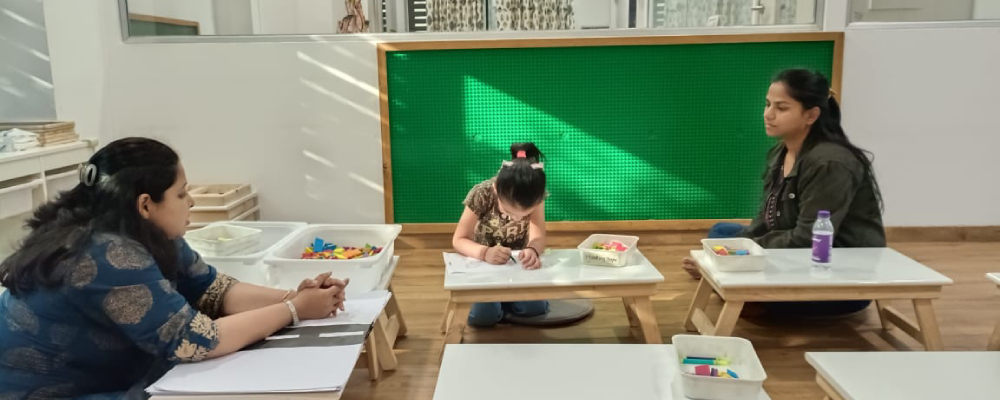
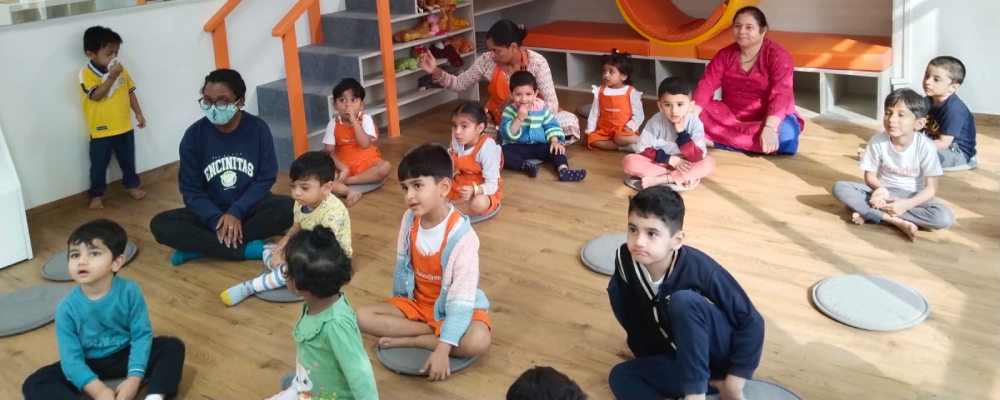
7 Fun and Educational Activities for Kids in Daycare

Providing a dynamic and enriching environment for children in daycare is very important for their overall development. While it’s important to keep them engaged and entertained, incorporating educational activities into their daily routine can significantly enhance their learning experience. From fostering creativity to promoting cognitive skills, a combination of fun daycare activities can have a lasting impact on a child’s growth. We will explore some exciting activities that not only bring joy to children but also offer valuable learning opportunities within the daycare setting. These activities span various domains, including storytelling, arts and crafts, music and dance, nature exploration, science experiments, cooking, and engaging physical games. By integrating these activities into the daycare curriculum, children will have the chance to learn, discover, and flourish in a nurturing and educational environment. So, let’s dive into the world of fun and educational activities for kids in daycare, and uncover the many benefits they bring.

  • Storytelling and Puppet Shows:

Engage children’s imaginations and enhance their language skills by organizing storytelling sessions or puppet shows. Encourage them to participate by asking questions and allowing them to interact with the puppets.

  • Arts and Crafts: 

Promote creativity and fine motor skills development through art and craft activities. Provide a variety of materials such as paper, glue, scissors, and colored pencils, and guide children to create their own masterpieces. This can include painting, drawing, collage making, or even simple origami.

  • Music and Dance: 

Introduce children to the world of music and movement by incorporating music and dance activities into their daily routines. Play different genres of music and encourage them to move and dance freely. You can also provide musical instruments or homemade shakers to let them explore rhythm and beat.

  • Nature Walks and Gardening: 

Take children outdoors for nature walks or create a small garden within the daycare premises. Teach them about different plants, flowers, and insects they encounter. Let them participate in planting seeds, watering plants, and observing the growth process. This will foster their appreciation for nature and develop their sensory skills.

  • Science Experiments:

Conduct simple and safe science experiments to spark children’s curiosity and encourage critical thinking. For example, you can demonstrate the concept of density by making a rainbow in a glass with different liquids, or create a volcano eruption using baking soda and vinegar. These hands-on activities will make learning fun and memorable.

  • Cooking and Baking: 

Involve children in simple cooking or baking activities that are appropriate for their age group. Teach them basic kitchen safety rules and guide them through preparing simple recipes, such as making fruit salad or baking cookies. This helps improve their fine motor skills, introduces them to different food groups, and promotes healthy eating habits.

  • Indoor and Outdoor Games: 

Organize a variety of games and physical activities to keep children active and engaged. Indoor games can include treasure hunts, board games, or building forts using pillows and blankets. Outdoor activities can range from relay races to tag games or even setting up an obstacle course. These activities promote social interaction, teamwork, and gross motor skills development.

In conclusion, daycare centers provide a host of benefits by offering a balance between fun and educational activities. Children can enjoy their time while acquiring new knowledge, skills, fostering creativity, and developing social interaction. These enriching experiences play a vital role in the holistic development of children in daycare settings.

Preschool Admission Age and Socializing: Finding the Sweet Spot

Deciding the ideal age for preschool admission and balancing it with socialization is an important consideration for parents and educators. While there is no such thing that can be called the ideal age for preschool and which applies universally, several factors can help guide this decision. Let’s explore these factors in more detail.


  • Developmental Readiness

Firstly, it’s essential to consider whether the child is prepared to go to preschool. Preschool programs typically accept children between the ages of 3 and 5, but within this range, individual children may differ in their cognitive, social, and emotional development. Assessing whether the child has reached key milestones and is ready to engage in structured learning and social interactions is crucial. These milestones may include language development, fine motor skills, attention span, and the ability to follow simple instructions. Observing the child’s progress and consulting with early childhood educators can provide insights into their readiness for preschool.

  • Emotional Maturity

Emotional maturity is another important aspect to consider. The child should be emotionally prepared for the transition to preschool. This includes being able to separate from their primary caregivers without excessive distress, follow simple instructions, and demonstrate basic self-help skills such as using the toilet independently and dressing. Emotional readiness helps ensure a smoother transition to preschool and facilitates positive social interactions with peers and teachers.

  • Social Exposure

Social exposure is also an important factor in finding the right age for preschool program enrollment. Preschool provides valuable opportunities for children to develop communication skills, empathy, and cooperation. Prior exposure to social environments, such as playgroups or daycare, can help prepare children for preschool. It exposes them to interactions with other children, sharing, and taking turns. However, it is crucial to strike a balance. Too much exposure to social settings may overwhelm a child, while too little exposure may hinder their socialization skills. Gradually increasing social interactions and monitoring the child’s comfort level can help find the right balance.


  • Individual Differences

Each child is unique, and their readiness for preschool may vary. Some children may thrive in structured educational environments at an early age, displaying enthusiasm for learning and socializing with peers. Others may benefit from additional time at home or in less formal settings, allowing them to develop at their own pace. Consider the child’s personality, temperament, and learning style when deciding about preschool admission. Observing their interests, curiosity, and ability to engage in group activities can provide insights into their readiness. This all should be taken into account to ascertain the right age for preschool admission.

  • Parental Involvement

Parent involvement is crucial in supporting a child’s socialization and transition to preschool. Engaging in activities that promote social skills development, such as playdates or group activities, can help children adapt to new social settings. Encouraging cooperative play, sharing, and taking turns at home provides a foundation for positive social interactions. Communicating with preschool staff, attending orientation programs, and participating in school events also contribute to a smooth transition and ongoing socialization.

  • Child’s Individual Needs

It’s important to note that the right age for preschool admission and socialization may vary from child to child. What works well for one child may not be the best fit for another. Therefore, parents should consider their child’s individual needs, consult with early childhood educators, and make an informed decision based on their observations and understanding of their child’s development. Additionally, schools may have specific age requirements or guidelines that can provide further guidance.

In conclusion, determining the ideal age for preschool admission and finding the sweet spot for socialization requires careful consideration of multiple factors. These factors include the child’s developmental readiness, emotional maturity, social exposure, individual differences, and parental involvement. By taking these factors into account, parents and educators can make informed decisions that support the child’s successful transition to preschool and promote positive socialization experiences. Remember, every child is unique, and finding the right balance is key to their overall growth and development.

Call Us Admission Enquiry