
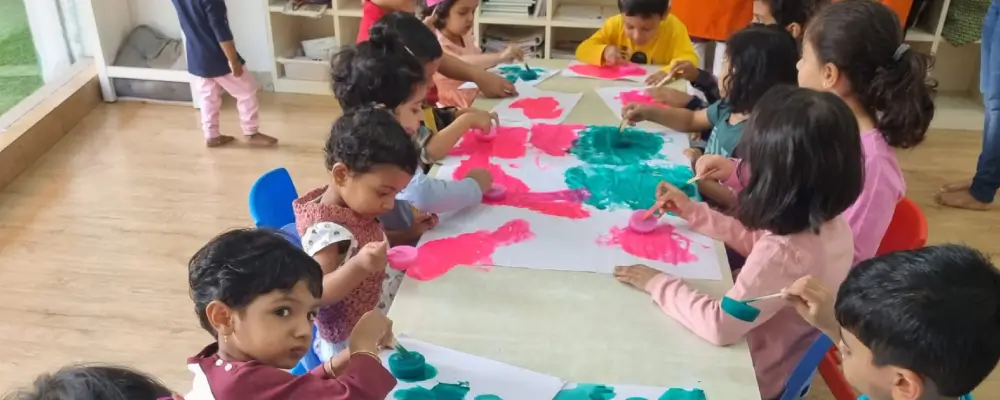
Daycare Advantages: Nurturing Your Child’s Growth

In today’s fast-paced world, juggling multiple responsibilities is rather daunting for parents. And the biggest challenge for them is finding reliable childcare.

This is where daycare centres come into play, offering a multitude of advantages that contribute significantly to a child’s growth and development.


The Importance of Daycare

Daycare provides children with a structured environment where they can learn, play, and socialize under the supervision of trained and dedicated professionals. These centres offer a safe and nurturing space for children to explore and discover the world around them.


The Role of Daycare Centres

Daycare centres play a pivotal role in providing quality childcare services to families. With experienced caregivers who are well-versed in early childhood education and development, these caregivers create a conducive environment that fosters learning, creativity, and social interaction.


Exploring Daycare Advantages


– Early Learning Programs

Daycare advantages include access to early learning programs that are designed to stimulate a child’s cognitive, emotional, and physical development. These programs are designed to offer age-appropriate activities that encourage curiosity, problem-solving, and communication skills.


– Socialisation Opportunities

One of the key benefits of daycare is the opportunity for children to socialize with their peers. Interacting with other children helps them develop essential social skills such as sharing, taking turns, and empathy. These interactions lay the foundation for healthy relationships and emotional intelligence later in life.


– Structured Routine

Daycare centres follow a structured routine that includes childcare activities, meals, nap times, and playtime. This consistency provides children with a sense of security and stability, which is essential for their overall well-being and development.


– Exposure to Diversity

Children enrolled in daycare centres are exposed to a diverse range of cultures, backgrounds, and experiences. This exposure helps children’s growth and development by fostering acceptance, tolerance, and respect for others.


– Preparation for School

Daycare programs often include early childhood education components that prepare children for formal schooling. Through age-appropriate lessons and activities, children develop foundational skills such as literacy, numeracy, and problem-solving, setting them up for success in school and beyond.


To sum it up, the advantages of daycare extend far beyond simple childcare. These centres play a crucial role in nurturing a child’s growth and development by providing access to early learning programs, socialization opportunities, structured routines, exposure to diversity, and preparation for school.


As parents navigate the challenges of balancing work and family life, daycare centres offer a valuable support system that promotes the holistic development of children.


So, whether you’re considering daycare admission for your child or exploring daycare programs available in your area, rest assured that investing in quality childcare is one of the best decisions you can make for your child’s future.
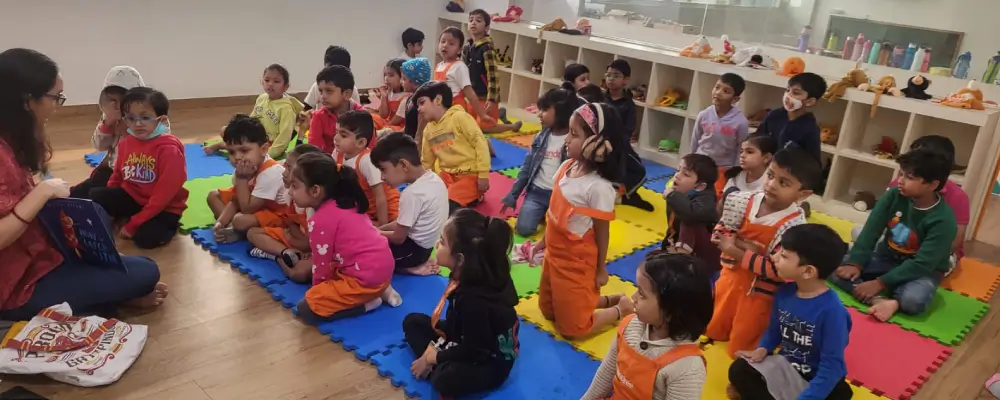



Guiding You Through the Enriching Journey: Your Child’s Daycare Admission Essentials

The daycare choice marks the beginning of early childhood education and your child’s first steps into establishing long-term relationships with valuable caretakers. A good daycare can offer a wholesome and exciting environment helping your child grow. So, here are Your Child’s Daycare Admission Essentials- A guide to help you sail through this critical process.

Your Child’s Daycare Admission Essentials

  1. Research Daycare Centres

Before making any decisions, carefully research daycare centres in your city. Choose accredited facilities that focus on security, hygiene, and environment for learning. Look for online reviews and talk to other parents about their experiences.

  1. Verify Licensing and Accreditation

Make sure that the daycare centre you are planning to enroll your child in is licensed and accredited by relevant bodies. This ensures that the facility follows certain standards and regulations, providing a secure environment to start her early education.

  1. Evaluate Daycare Programs

The daycare centres provide diverse programs for varied age groups. Evaluate the curriculum and activities offered in each centre to determine whether they meet your child’s developmental needs. Seek a balance between education parts, getting together, and playing.

  1. Visit the Daycare Centre

Set up appointments to visit potential daycare centres and see the environment firsthand. Focus on hygiene standards, security systems, and the ambiance in general. Accordingly, talk to the staff and watch their behavior towards children. The warm and caring staff should also play a significant role in your child’s positive experience.

  1. Understand Staff-to-Child Ratio

The staff-to-child ratio is a vital part of the effectiveness of running daycare. A lower ratio provides a more individual approach and better supervision that ensures the safety of your child. Ask about the centre’s policies and procedures concerning staff qualifications and training.

  1. Check Health and Safety Measures

Gloss over the daycare’s health measures in priority of your kid. Make sure that they have adequate emergency procedures, and first aid facilities and that their hygiene standards are appropriate. They can discuss their policies on illness, vaccinations, and general hygiene to ensure the safety of your child.

  1. Inquire About Meals and Snacks

Discover how the centre’s meals and snacks are formulated. Know their diet plan and if they account for food allergies. However, a balanced healthy diet is critical for your child’s growth and development while at the daycare.

Conclusion:

Selecting appropriate daycare for your child is therefore a process that one should undertake with much thought and hard work. Concentrating on these vital facets, respectively researching daycare centres, validating licensing, evaluating programs, visiting the facility attending to staff-to-child ratios checking health and safety measures dollar signs asking about meals/snacks gives assurance that your child will have a superior early childhood education. The time and effort you invest will count towards a huge portion of your child’s well-being through the early years.

Preparing Your Child for Preschool Admission: A Parent’s Guide

As a parent, it can be either exhilarating or nerve-wracking to see your children’s first step into the world of education. Admission to a preschool is usually the first step in your child’s academic development. It is crucial to prepare your child for the preschool admission procedure to ensure a seamless transition. This guide will give you useful information and recommendations to help make the admission process easier for both parent and child.

How to Prepare Your Child for Preschool Admission

  1. Start Early Exposure

Get your child used to a structured environment from very early on. Reenact classroom-like activities to promote familiarization with routine and group behavior. This may involve playdates with other children, attending story times, or joining organized playing groups.

  1. Cultivate Independence

Independence is often promoted within preschools. Teach your child to become independent by showing them simple things such as dressing and washing, using the bathroom alone; cleaning after playing. These skills not only inspire confidence but also meet the requirements of several preschool programs.

  1. Encourage Social Skills

Socialization is an important part of a child’s preschool life. Your child should use playdates to facilitate early social competencies in sharing toys, negotiating simple conflicts, and enjoying interactions with peers. This will make them more effective in communicating and building relationships even with others.

  1. Introduce a Structured Routine

Creating a routine that is implemented at the same time every day can prepare your child for the structured schedules seen in preschools. Make sure they have regular feeding, sleep, and play times matching the preschool schedule. This familiarity may relieve the anxiety associated with a new pattern.

  1. Expose to Basic Learning Concepts

While preschool focuses on play and socialization the beginnings of these basic learning concepts can give your child a start Carry out appropriate age-based educational activities such as counting games, identifying colors and shapes, or reading simple stories together.

  1. Learn while playing

Parents should ensure that the whole preschool admission process is pleasant and uncomplicated. This can be achieved, for instance, by motivating children to study as they play. For instance, educational toys allow kids to play and learn about numbers concurrently. Furthermore, parents can also carry storybooks for their children which will help them inculcate the habit of reading from a tender age.

  1. Visit the Preschool

Finally, Acquaint your child with the preschool setting by planning visits before admissions begin. Check out the classrooms, playgrounds, and teachers. This will make the initial days less scary for your child because he/she will already be acquainted with the surroundings.

Conclusion:

Admission to a preschool is an encouraging step, which marks the start of your child’s formal education. With these preparatory measures, you can facilitate the transition and lay a good ground for your child’s educational journey. Each child is different, so adjusting these tips to meet your child’s personal needs will guarantee that the admission process goes smoothly. Preschool education is more than the curriculum; it involves developing a love for learning and social development. Your child, with your help throughout the way, will start on this new journey confidently and passionately.

Call Us Admission Enquiry