
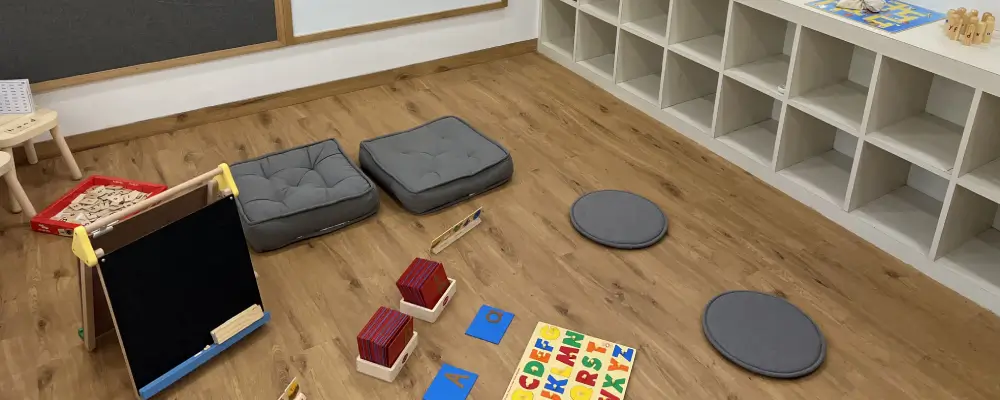
Is Your Child Ready for Kindergarten? Use Our Checklist to Find Out!

The transition from preschool or early childhood education to kindergarten is a significant milestone in a child’s life. Ensuring your child is adequately prepared for kindergarten is crucial for their academic and social development. In this article, we will provide a comprehensive checklist to help you assess your child’s readiness for kindergarten and guide you through the kindergarten admission process.

Kindergarten: The Foundation of Education

Kindergarten is often the first formal step in a child’s academic journey. It serves as the foundation for their future learning and development. A positive kindergarten experience can set the stage for a lifelong love of learning.

Kindergarten Admission

Before delving into the readiness checklist, it’s essential to understand the kindergarten admission process. 

Kindergarten admission typically involves:

   1. Application: Complete the school’s application form, providing all required documents.

   2. Assessment: Some schools may require a kindergarten readiness test or an interview to evaluate your child’s readiness for the program.

   3. Visit the School: Schedule a visit to the kindergarten to familiarize yourself with the environment and the curriculum.

   4. Financial Considerations: Understand the tuition fees, payment schedules, and any financial aid options available.

The Kindergarten Readiness Checklist

Use the following checklist to assess your child’s readiness for kindergarten:

Academic Readiness for Kindergarten:

  1. Alphabet Knowledge: Can your child recognize and name most of the letters of the alphabet?

  2. Counting Skills: Does your child count to ten or higher? Do they understand basic numerical concepts?

  3. Fine Motor Skills: Can your child hold a pencil or crayon and draw basic shapes or write their name?

  4. Basic Math Skills: Is your child familiar with basic math concepts like shapes, colors, and simple patterns?

Social and Emotional Readiness for Kindergarten:

  1. Independence: Can your child dress themselves, use the restroom independently, and follow simple instructions?

  2. Social Skills: Does your child interact well with other children? Are they comfortable sharing and taking turns?

  3. Listening Skills: Can your child listen attentively and follow directions from teachers or caregivers?

  4. Emotional Regulation: Does your child manage their emotions and handle frustration or disappointment appropriately?

Kindergarten Readiness Skills:

   1. Language Skills: Can your child communicate effectively, express their needs, and understand basic conversations?

   2. Interest in Learning: Is your child curious and eager to learn new things?

   3. Attention Span: Does your child have the ability to focus on tasks or activities for short periods?

Assessing Kindergarten Readiness:

   1. Preschool Experience: Consider your child’s experience in preschool or early childhood education. Have they been exposed to a structured learning environment?

   2. Readiness Test: If required, have they taken a kindergarten readiness test, and how did they perform?

Preparing for Kindergarten:

   1. Home Environment: Is your home conducive to learning? Are there books, educational toys, and a quiet space for study?

   2. Routine: Establish a daily routine that includes reading, learning, and playtime to prepare your child for the kindergarten schedule.

Conclusion

Kindergarten is a crucial step in your child’s educational journey, and their readiness for it is paramount. Utilize the kindergarten readiness checklist to assess your child’s academic, social, and emotional preparedness. Remember that every child develops at their own pace, so provide the necessary support and encouragement to help them thrive in kindergarten. By ensuring your child is ready for this exciting chapter, you’ll give them a strong foundation for future academic success and personal growth.
How Daycare Supports Working Parents: A Win-Win Solution

In today’s fast-paced world, working parents often find themselves juggling multiple responsibilities. Balancing a demanding career with raising children can be challenging, but daycare centres offer a win-win solution that benefits both parents and their little ones. In this article, we will explore the ways in which daycare supports working parents and promotes early childhood education and care.

Child Care: A Necessity for Working Parents

Child care is a pressing need for working parents, and daycare centres fulfill this need effectively. They provide a safe and nurturing environment for children, allowing parents to focus on their careers with peace of mind. The phrase “child care” itself underscores the importance of ensuring the well-being of children while their parents are at work.

Daycare: A Reliable Option

Daycare, often interchangeably referred to as “day care,” is a reliable option for parents seeking professional care for their children during working hours. These facilities are specifically designed to cater to the needs of young children, offering age-appropriate activities and supervision that promote growth and development.

Daycare centres: A Hub for Early Childhood Education

Daycare centers are not just a place for children to be looked after; they are hubs for early childhood education. In these settings, children are exposed to a structured daycare program that includes cognitive, social, and emotional development. Early childhood education is a key aspect of daycare program, providing young minds with the foundation they need to succeed in school and beyond.

The Role of Daycare in Early Childhood Care and Education

Early childhood care and education are inextricably linked, and daycare plays a pivotal role in both areas. By integrating educational activities into daily routines, daycare centres foster a love for learning from a young age. This early exposure to educational concepts and interactive play sets the stage for a child’s future academic success.

Promoting Early Childhood Development

Daycare centres focus on holistic early childhood development. They recognize the importance of creating a well-rounded experience that encompasses physical, cognitive, and social development. Through activities such as arts and crafts, storytelling, and group play, children in daycare are exposed to a wide range of stimuli that promote their growth.

Supporting Working Parents

Working parents face the constant challenge of balancing their professional and parental responsibilities. Daycare centres offer a practical solution by providing a structured, reliable, and safe environment for children while their parents work. This support system empowers working parents to pursue their careers with confidence, knowing that their children are in capable hands.

Enhancing Social Skills

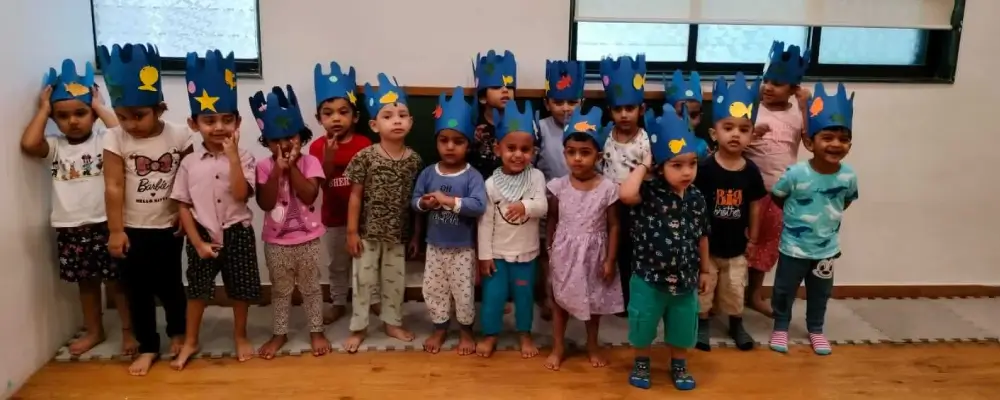
Early childhood is a critical period for developing social skills. Daycare centres are bustling with opportunities for children to interact with their peers, learn to share, and develop empathy. These social interactions are invaluable in preparing children for future social challenges and building their self-confidence.

Convenience for Working Parents

Daycare centres are designed with working parents in mind. They often offer extended hours to accommodate different work schedules, making it easier for parents to drop off and pick up their children. This flexibility is a significant relief for parents who might otherwise struggle to find suitable childcare options.

Conclusion

In conclusion, daycare is a win-win solution for working parents. It provides reliable child care, promotes early childhood education and care, and supports parents in their professional endeavors. By offering a nurturing environment where children can thrive and learn, daycare centres play a vital role in shaping the future of our society. As working parents continue to rely on these valuable services, we can expect to see more children benefiting from the holistic support that daycare provides. Early childhood education, social development, and the peace of mind that comes with knowing your child is well-cared for— day care centres offer it all, making them an indispensable resource for modern families.

Everything You Need to Know about Foundree’s Personalised Learning

Nowadays, it is critical to remain up to date on modern teaching approaches that accommodate students’ different learning demands. Foundree distinguishes itself by its distinctive and customised approach to early childhood education. This article delves deep into the intricacies of Foundree’s teaching model, shedding light on its distinctive features, benefits, and the impact it has on fostering holistic and customised learning experiences.

Understanding Foundree’s Teaching Methodology

At the core of Foundree’s teaching methodology lies a revolutionary paradigm that prioritises personalised learning. This educational approach breaks away from traditional instructional models that often adopt a one-size-fits-all strategy. Instead, Foundree harnesses the power of personalised education, recognising that each student is unique with distinct learning preferences, strengths, and learning potential. This customised learning principle is embedded within every faction of Foundree’s teaching approaches.

The Essence of Personalised Learning and Foundree’s Approach

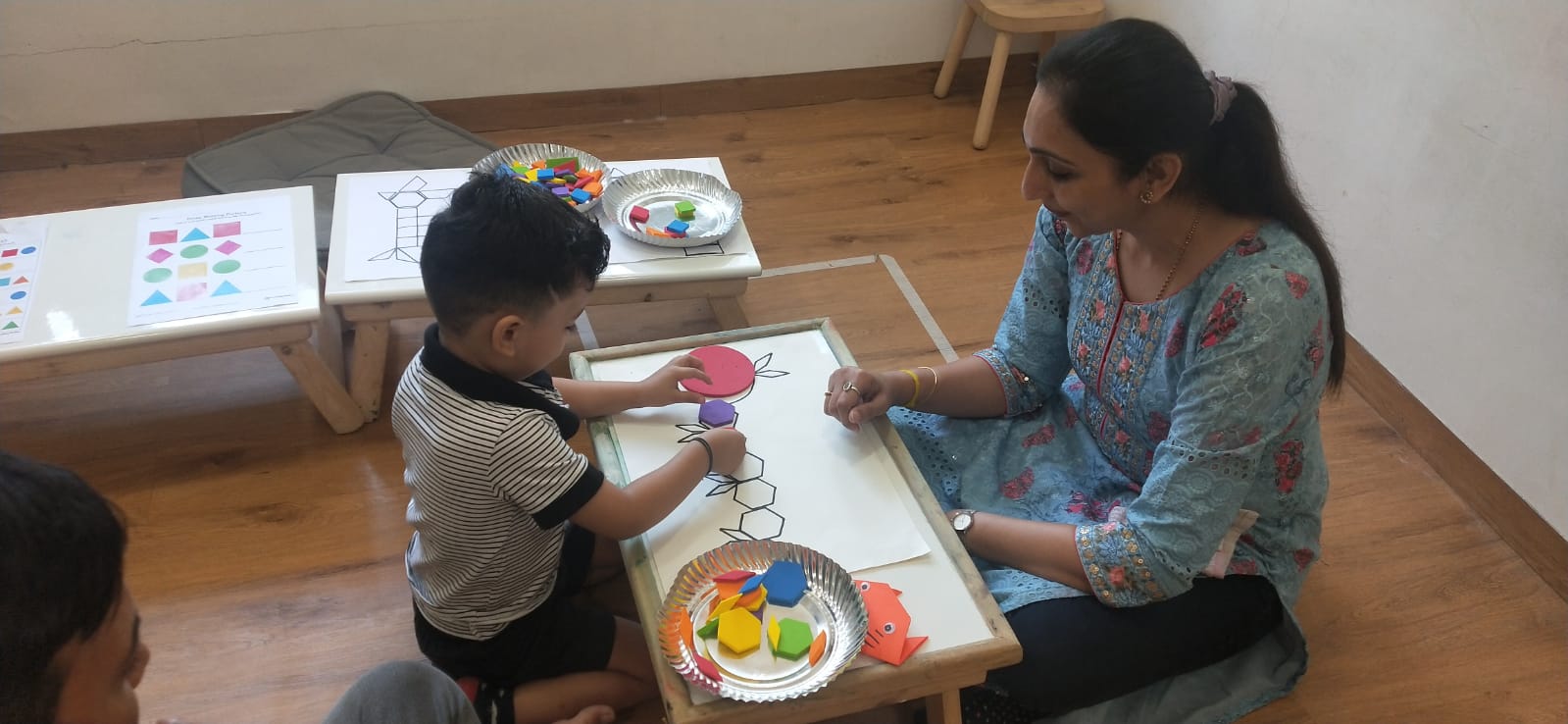
Before delving deeper, it’s essential to comprehend the essence of personalised learning. In essence, personalised learning tailors the educational journey to match the pace, preferences, and learning style of each student. This teaching method differs from the usual lecture-based strategy, in which teachers offer standardized curriculum to a variety of students. Personalised learning, on the other hand, entails a learner-centered approach in which students are active participants in creating their educational experience and journey.

Foundree stands as a vanguard of educational innovation, employing a teaching model that embodies the principles of personalised learning in its purest form. Our teaching methodology is not just a one-time adaptation, but a holistic learning ecosystem that nurtures each student’s intellectual growth. By adopting an educational approach that is rooted in personalisation, Foundree has forged a teaching model that transcends traditional paradigms.

How Does Personalisation Come Alive in Foundree Classrooms?

What sets Foundree learning pedagogy apart is its commitment to delivering a personalized learning experience that resonates with students on a personal level. This dedication is obvious in the numerous ways we incorporate personalised learning into every aspect of their educational system. From curriculum creation to personalised classrooms, Foundree adopts student-centered teaching practices that allow students to take control of their learning path.

The benefits of Foundree’s personalised learning approach are multifaceted and profound. 

  • For starters, by accommodating different learning styles, this teaching technique assures that no student falls behind. Students who comprehend concepts quickly can master a skill and advance to higher levels, whereas students who require more time to master a skill receive ongoing scaffolding and help. 
  • Second, tailored learning develops a stronger bond between teachers and students. This learner-centered teaching method encourages open communication and enables educators to grasp individual obstacles and goals. 
  • Third, the individualised learning experience increases student engagement. Learners are more motivated to actively participate in the learning process when they see their interests and strengths reflected in their education.

Navigating the Personalised Learning Landscape

In a world inundated with information, personalised learning equips students with vital skills for navigating the complexities of the modern age. Foundree’s personalised learning methodology transcends mere academic prowess; it prepares students to be critical thinkers, adaptable problem solvers, and lifelong learners. This educational approach imparts not only subject knowledge but also essential skills such as self-directed learning, time management, and collaboration. All of these abilities are crucial as the kids prepare for a world that demands more than simple academic comprehension of concepts and ideas.

Unlocking Holistic Learning through Personalisation

Foundree’s educational approach transcends the confines of subject matter and curriculum. Their personalised learning experience extends beyond textbooks, nurturing students’ intellectual, emotional, and social growth. Foundree develops a comprehensive learning environment that empowers learners with skills and competences that extend well beyond the classroom by addressing the different needs and learning styles of students.

As a consequence, Foundree’s customised learning method embodies the educational trajectory. With its learner-centered teaching methodologies and individualised learning experiences, Foundree goes beyond simply transmitting knowledge; it also fosters a love of learning, develops each student’s potential, and provides them with the skills necessary to thrive in a changing environment. 

Call Us Admission Enquiry