Guiding You Through the Enriching Journey: Your Child’s Daycare Admission Essentials

The daycare choice marks the beginning of early childhood education and your child’s first steps into establishing long-term relationships with valuable caretakers. A good daycare can offer a wholesome and exciting environment helping your child grow. So, here are Your Child’s Daycare Admission Essentials- A guide to help you sail through this critical process.

Your Child’s Daycare Admission Essentials

  1. Research Daycare Centres

Before making any decisions, carefully research daycare centres in your city. Choose accredited facilities that focus on security, hygiene, and environment for learning. Look for online reviews and talk to other parents about their experiences.

  1. Verify Licensing and Accreditation

Make sure that the daycare centre you are planning to enroll your child in is licensed and accredited by relevant bodies. This ensures that the facility follows certain standards and regulations, providing a secure environment to start her early education.

  1. Evaluate Daycare Programs

The daycare centres provide diverse programs for varied age groups. Evaluate the curriculum and activities offered in each centre to determine whether they meet your child’s developmental needs. Seek a balance between education parts, getting together, and playing.

  1. Visit the Daycare Centre

Set up appointments to visit potential daycare centres and see the environment firsthand. Focus on hygiene standards, security systems, and the ambiance in general. Accordingly, talk to the staff and watch their behavior towards children. The warm and caring staff should also play a significant role in your child’s positive experience.

  1. Understand Staff-to-Child Ratio

The staff-to-child ratio is a vital part of the effectiveness of running daycare. A lower ratio provides a more individual approach and better supervision that ensures the safety of your child. Ask about the centre’s policies and procedures concerning staff qualifications and training.

  1. Check Health and Safety Measures

Gloss over the daycare’s health measures in priority of your kid. Make sure that they have adequate emergency procedures, and first aid facilities and that their hygiene standards are appropriate. They can discuss their policies on illness, vaccinations, and general hygiene to ensure the safety of your child.

  1. Inquire About Meals and Snacks

Discover how the centre’s meals and snacks are formulated. Know their diet plan and if they account for food allergies. However, a balanced healthy diet is critical for your child’s growth and development while at the daycare.

Conclusion:

Selecting appropriate daycare for your child is therefore a process that one should undertake with much thought and hard work. Concentrating on these vital facets, respectively researching daycare centres, validating licensing, evaluating programs, visiting the facility attending to staff-to-child ratios checking health and safety measures dollar signs asking about meals/snacks gives assurance that your child will have a superior early childhood education. The time and effort you invest will count towards a huge portion of your child’s well-being through the early years.
Preparing Your Child for Preschool Admission: A Parent’s Guide

As a parent, it can be either exhilarating or nerve-wracking to see your children’s first step into the world of education. Admission to a preschool is usually the first step in your child’s academic development. It is crucial to prepare your child for the preschool admission procedure to ensure a seamless transition. This guide will give you useful information and recommendations to help make the admission process easier for both parent and child.

How to Prepare Your Child for Preschool Admission

  1. Start Early Exposure

Get your child used to a structured environment from very early on. Reenact classroom-like activities to promote familiarization with routine and group behavior. This may involve playdates with other children, attending story times, or joining organized playing groups.

  1. Cultivate Independence

Independence is often promoted within preschools. Teach your child to become independent by showing them simple things such as dressing and washing, using the bathroom alone; cleaning after playing. These skills not only inspire confidence but also meet the requirements of several preschool programs.

  1. Encourage Social Skills

Socialization is an important part of a child’s preschool life. Your child should use playdates to facilitate early social competencies in sharing toys, negotiating simple conflicts, and enjoying interactions with peers. This will make them more effective in communicating and building relationships even with others.

  1. Introduce a Structured Routine

Creating a routine that is implemented at the same time every day can prepare your child for the structured schedules seen in preschools. Make sure they have regular feeding, sleep, and play times matching the preschool schedule. This familiarity may relieve the anxiety associated with a new pattern.

  1. Expose to Basic Learning Concepts

While preschool focuses on play and socialization the beginnings of these basic learning concepts can give your child a start Carry out appropriate age-based educational activities such as counting games, identifying colors and shapes, or reading simple stories together.

  1. Learn while playing

Parents should ensure that the whole preschool admission process is pleasant and uncomplicated. This can be achieved, for instance, by motivating children to study as they play. For instance, educational toys allow kids to play and learn about numbers concurrently. Furthermore, parents can also carry storybooks for their children which will help them inculcate the habit of reading from a tender age.

  1. Visit the Preschool

Finally, Acquaint your child with the preschool setting by planning visits before admissions begin. Check out the classrooms, playgrounds, and teachers. This will make the initial days less scary for your child because he/she will already be acquainted with the surroundings.

Conclusion:

Admission to a preschool is an encouraging step, which marks the start of your child’s formal education. With these preparatory measures, you can facilitate the transition and lay a good ground for your child’s educational journey. Each child is different, so adjusting these tips to meet your child’s personal needs will guarantee that the admission process goes smoothly. Preschool education is more than the curriculum; it involves developing a love for learning and social development. Your child, with your help throughout the way, will start on this new journey confidently and passionately.

Preparing Your Kid for Preschool Admission Interviews and Assessments

In the exciting journey of preschool admission, interviews and assessments are pivotal steps that parents, and their little ones embark upon. Ensuring your child is well-prepared for these crucial aspects can significantly enhance their chances of a successful admission. This guide offers valuable insights and tips to help parents navigate the preschool admission interview process seamlessly.

Understanding the Importance of Preschool Admission Interviews

1. Preschool Admission Criteria

Admission to preschool often involves an interview process as schools seek to understand the child’s readiness, communication skills, and social interactions. Being aware of the admission criteria is the first step in preparing your child for success.

2. Preschool Interview Questions

Familiarize yourself with common preschool interview questions. These may include inquiries about your child’s interests, daily routines, basic knowledge, and social skills. Responding confidently and thoughtfully to these questions can leave a positive impression on the admission committee.

Preparing Your Child for Success

1. Communication Skills

Encourage your child to express themselves verbally. Practice simple conversations about their favorite activities, friends, or toys. This not only enhances their communication skills but also boosts their confidence during the interview.

2. Basic Knowledge and Skills

Preschool admission assessments may involve basic questions about colors, shapes, numbers, and other foundational concepts. Engage your child in playful learning activities to reinforce these skills and make the learning experience enjoyable.

Practical Tips for a Successful Preschool Interview

1. Preschool Interview Tips

  • Be Positive and Encouraging: Create a positive atmosphere around the idea of interviews, emphasizing the opportunity to make new friends and learn exciting things.
  • Mock Interviews: Conduct mock interviews at home to familiarize your child with the process. This helps reduce anxiety and builds confidence.
  • Dress Appropriately: Ensure your child is dressed neatly for the interview. A tidy appearance can leave a lasting impression.

2. Understanding the Preschool Environment

Help your child understand the preschool setting by sharing stories or visiting the school beforehand. Familiarity with the environment can make them feel more comfortable during the actual admission process.

Final Thoughts

In conclusion, preparing your child for preschool admission interviews and assessments is a collaborative effort between parents and their little ones. By understanding the criteria, practicing essential skills, and implementing practical tips, you can ensure your child is well-prepared for this significant step in their educational journey.

Preschool admission is not just about academic readiness; it’s about creating a positive and engaging experience for your child. By following these guidelines, parents can instill confidence in their children, making the preschool admission process a memorable and successful chapter in their early education.

Jingle Bells and Storytelling: Christmas Tales for Preschool Children

The holiday season brings joy and wonder, especially for preschool children eager to embrace the magic of Christmas. As educators and parents, weaving enchanting Christmas tales into preschool activities creates memorable experiences for the little ones. Let’s explore the magic of storytelling and delightful activities tailored for preschoolers during the festive season.


Christmas Storytelling Extravaganza

  1. Creating a Cozy Atmosphere:

    Set the stage for storytelling by creating a cozy corner with festive decorations. Use soft cushions and warm blankets to make the space inviting. The ambiance enhances the overall experience for preschoolers, making them more receptive to the magic of Christmas tales.

  2. Engaging Christmas Stories:

    Select age-appropriate Christmas stories that captivate the imagination of preschoolers. Tales of Santa’s adventures, friendly reindeer, and snowy escapades add a touch of wonder to the season. Interactive books with colorful illustrations enhance engagement and comprehension.

  3. Story Props and Puppets:

    Bring stories to life with the use of props and puppets. Incorporate simple props such as Santa hats, jingle bells, or holiday-themed puppets to make the storytelling experience interactive. Preschoolers can actively participate by holding props or helping with puppetry, fostering engagement.

  4. Jingle Bells Musical Interlude:

    Integrate musical elements into the storytelling session by introducing jingle bells. Pause during the story to encourage preschoolers to shake their jingle bells, creating a festive and rhythmic atmosphere. This multisensory approach adds an extra layer of excitement to the storytelling event.


Preschool Christmas Celebration

  1. Crafting Christmas Magic:

    Combine storytelling with hands-on crafting activities. After the story, engage preschoolers in creating simple Christmas crafts related to the tale they heard. This reinforces comprehension and allows children to express their creativity in a festive context.

  2. Festive Snack Time:

    Enhance the Christmas celebration with a festive snack time. Offer simple, holiday-themed snacks like gingerbread cookies, candy canes, or hot cocoa. This not only adds a sensory component to the celebration but also encourages social interaction among preschoolers.

  3. Christmas Carol Sing-Along:

    Extend the festive atmosphere by incorporating a Christmas carol sing-along. Choose age-appropriate and popular Christmas songs that preschoolers can easily sing along to. This joyful activity promotes language development and a sense of community.


Conclusion

Jingle bells and storytelling create a magical combination for a memorable Christmas celebration in preschool. By integrating engaging Christmas stories with interactive activities, educators and parents can foster a love for learning and a festive spirit among preschoolers. The enchantment of the season comes to life through the power of storytelling, making Christmas a joyous and educational experience for these young minds.


The Role of Worksheets in Preschool Education: Balancing Play and Learning

In the dynamic landscape of early childhood education, preschool plays a pivotal role in laying the foundation for a child’s academic journey. Central to this educational experience are preschool worksheets, serving as versatile tools that strike a delicate balance between play and learning.


Embracing the Essence of Early Childhood Education

Early childhood education is the cornerstone of a child’s cognitive and social development. Preschool is designed to provide a nurturing environment where young minds can explore, learn, and develop essential skills. Within this framework, the integration of effective preschool teaching methods becomes crucial for a holistic educational experience.


Unlocking the Potential of Preschool Worksheets

Preschool worksheets are invaluable early childhood development tools that cater to the diverse learning styles of young children. With the aim of reinforcing key concepts, these worksheets are carefully crafted to engage children in play-based learning, highlighting their importance in shaping a child’s educational journey.


The Dance of Play-Based Learning and Worksheets

Balancing play and learning are an art in preschool education. Through play-based learning, children are not just absorbing information; they are actively participating in activities that stimulate their cognitive and motor skills. The intertwining of “learning through play activities” fosters an environment where education is both enjoyable and effective.


Preschool Curriculum Worksheets: A Blueprint for Success

Preschool curriculum worksheets serve as a blueprint for success in early childhood education. Tailored to meet developmental milestones, these worksheets ensure that children are not only exposed to academic concepts but also encouraged to express their creativity. This dual focus on play and structured learning is crucial in achieving an educational balance for preschoolers.


The Importance of Preschool Worksheets in Education

The importance of preschool worksheets in education goes beyond their role as mere teaching aids. These tools act as catalysts for independent thinking, problem-solving, and critical analysis—skills that form the bedrock of a child’s academic journey, highlighting their transformative role in shaping young minds.


Striking the Right Balance in Preschool Education

Balancing play and learning are a delicate dance that preschool educators master. By incorporating a variety of engaging preschool worksheets, educators create an atmosphere where children eagerly participate in educational activities. This harmonious approach ensures that the foundation laid in preschool sets the stage for a lifelong love of learning.


In conclusion, the role of worksheets in preschool education extends far beyond routine exercises. They serve as powerful instruments in shaping the educational landscape for young learners. With a carefully curated blend of play-based learning and structured activities, preschool worksheets become the bridge that connects the joy of childhood with the building blocks of academic success. As we navigate the world of early childhood education, the resonance of “preschool” and “preschool worksheets” echoes the transformative impact of these foundational years on a child’s journey towards knowledge and discovery.

Tiny Steps, Big Celebrations: Diwali in Preschool

Diwali, the Festival of Lights, is a time of joy and togetherness, and it’s not limited to adults; it’s embraced with equal enthusiasm in preschools. These early childhood centres are known for providing a nurturing and educational environment, and Diwali in preschool is no exception. Let’s explore the myriad of activities for kids, from nursery to preschool, that make Diwali celebrations in these settings truly magical.


Diwali Celebration for Preschool

Diwali in preschool is not confined to a single day; it extends over several days, immersing children in a festive atmosphere. The entire preschool undergoes a transformation, with vibrant decorations, flickering diyas, and lively music filling the air. It’s a time of unity and shared joy, where the heart of Diwali in preschool lies in the exploration of Indian traditions and the Festival of Lights.


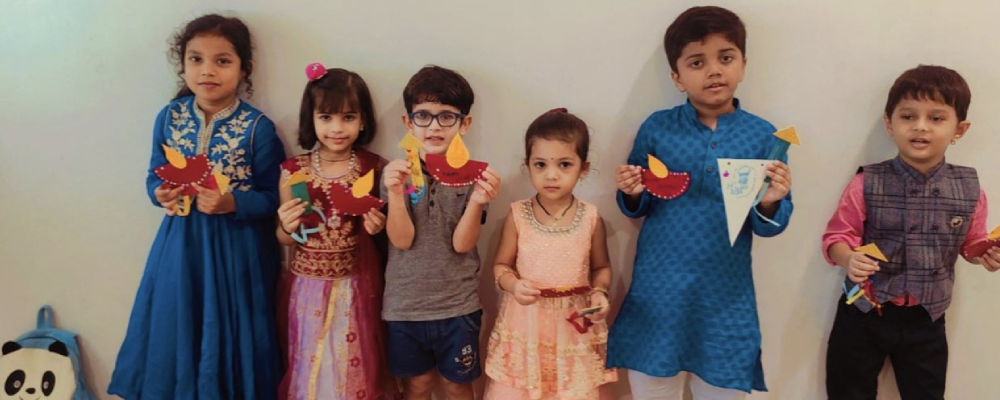
Teachers seize this opportunity to educate children about the historical and cultural aspects of Diwali, including the tale of Lord Rama’s return to Ayodhya and the symbolic significance of lighting lamps. The Diwali celebration at preschool is a unifying event that brings together parents, teachers, and young ones. It’s a moment to showcase the creative art and craft children have crafted, share inspiring Diwali stories, and light diyas, symbolizing the victory of light over darkness.


Preschools take great pride in the grandeur of their Diwali celebrations. They foster children’s creativity through art and craft, enabling them to craft vibrant decorations, paint diyas, and participate in friendly rangoli competitions. These engaging activities not only enhance children’s sense of accomplishment but also promote unity and togetherness among them.


Diwali Activities for Preschoolers

Diwali activities for preschoolers encompass a wide range of fun and educational experiences. These activities not only foster creativity but also introduce young minds to the cultural significance of Diwali. From crafting diyas to creating rangoli patterns, children actively participate in these hands-on activities.


Nursery Diwali Activities

Even the youngest attendees, in nursery classes, get to be a part of Diwali celebrations. Nursery Diwali activities are designed to be age-appropriate and engaging. These activities may include finger painting, creating simple crafts, and learning Diwali-themed songs and rhymes.


Diwali Art and Craft for Preschoolers

Art and craft activities for kids during Diwali in preschool are not only enjoyable but also educational. Preschoolers get the opportunity to develop fine motor skills, express their ideas, and enhance their cognitive abilities while creating beautiful Diwali-themed art pieces.


Celebrating Diwali with Little Ones

Diwali celebrations in preschool are all about making the festival enjoyable and memorable for the little ones. Teachers and parents collaborate to ensure that the children understand the importance of the festival, participate in age-appropriate activities, and feel the joy of celebrating with their peers.


Diwali Festivities in Preschools

Diwali in preschool is a time of vibrant festivities, where children learn about traditions and cultural diversity. It’s an occasion that celebrates the cultural richness of India and promotes unity and harmony.


Diwali in Early Childhood Education

Introducing Diwali in early childhood education is a way of instilling cultural awareness and respect from an early age. It helps children appreciate the diversity of our world and understand the significance of festivals celebrated by different communities.


Diwali Learning in Preschool

Diwali is not just a festival; it’s an opportunity for young minds to learn and grow. The knowledge and experiences gained during Diwali celebrations in preschool contribute to the holistic development of children.


In conclusion, Diwali in preschool is a time of immense joy, learning, and cultural exploration. It’s a reminder that even tiny steps taken in early childhood education can lead to big celebrations that shape the future of our little ones. As we continue to embrace Diwali in preschool, we ensure that the Festival of Lights is passed on from one generation to the next, along with the values and traditions that make it truly special.

Learning through play, reality or a myth?

The Power of Play in Early Education

In a society filled with technology, Foundree Preschool and Daycare takes a stand for its unique approach to education. At Foundree, we believe in the transformative power of learning through play. “Learning through play” – isn’t a mere tagline for us; it’s the very essence of our educational philosophy. 


The Foundations of Play-Based Education

Learning through play is more than just fun and games; it’s a comprehensive educational approach that actively engages children in the learning process. At Foundree, we’ve built our curriculum around the idea that play is the vehicle through which children explore the world around them, build critical skills, and develop a lifelong love for learning.


Our play-based curriculum is carefully designed to spark curiosity and creativity. In our classrooms, children are encouraged to explore, experiment, and ask questions. These activities are not merely play; they are opportunities for your child to learn and grow. We believe that by allowing children to follow their interests and passions, we’re laying the foundation for a lifetime of enthusiastic learning.


The Benefits of Learning Through Play

Research has consistently shown that play-based education offers a range of cognitive benefits. Children engaged in play are more likely to develop problem-solving skills, critical thinking abilities, and enhanced memory retention. The interactive nature of play fosters language development and boosts communication skills, preparing children for future academic success.


Learning through play isn’t just about academics. It’s also about emotional intelligence and social skills development. Through play, children learn to navigate social interactions, negotiate with peers, and develop empathy. 


The Importance of Play in Early Childhood

  • Building Strong Foundations

    Play is a fundamental building block in a child’s early development. It’s through play that children begin to understand cause and effect, learn about their own bodies, and explore the world’s mysteries. At Foundree, we recognize the importance of this important phase and provide an environment where play is the cornerstone of education.

  • Play & Learn

    The relationship between play and learning is symbiotic. Children engage in play to learn, and they learn to play as they grow. It’s a dynamic cycle that propels them forward in their educational journey. By nurturing this cycle, Foundree ensures that every child receives a well-rounded and holistic education.

Foundree – Where Play-Based Learning Comes to Life

Foundree isn’t just a preschool and daycare; but it’s also a safe and open environment where your child’s growth and development are our top priorities. Our dedicated team of teachers is passionate about creating a safe and stimulating space for your little ones to thrive. 


At Foundree, we firmly believe that learning through play is the key to unlocking a child’s full potential. Our playbased curriculum, designed to nurture curiosity and creativity, has been proven to provide cognitive, social, and emotional benefits. We understand the importance of play in early childhood and its role in building strong foundations for future success. So if you’re looking for a preschool and daycare that prioritizes play-based learning, Foundree is the perfect choice. 


How do the immersive spaces at Foundree help your child’s learning journey?

If you’re a parent and having a tough time finding the perfect place for your child to thrive and learn, look no further than Foundree Preschool and Daycare. We offer a unique and immersive learning environment for your child that fosters child development like no other preschool. 


In this blog, we’ll take you through the spaces at Foundree so that you can imagine how the immersive learning spaces, educational experiences and other interactive learning elements make Foundree Preschool and Daycare a haven for early childhood development.


Immersive Space

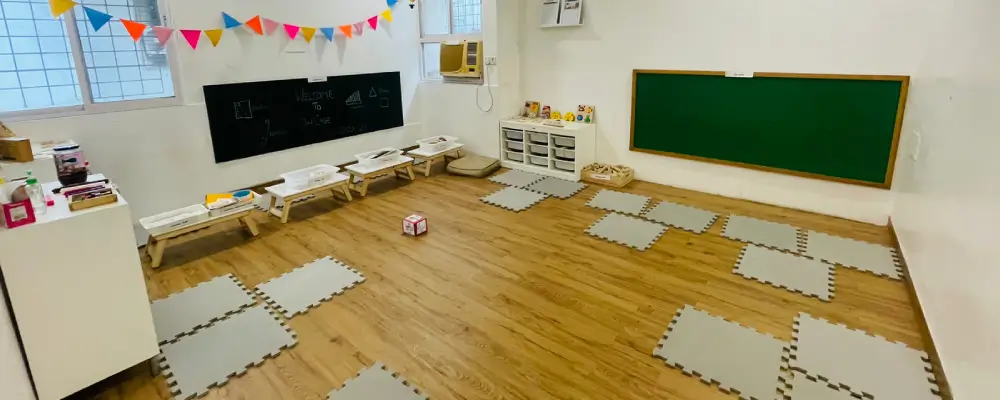
As soon as you enter a Foundree preschool, you will immediately notice the immersive spaces that set it apart. Each classroom is designed to transport your child into a world of wonder and discovery. From a scribbling board to practise scribbling because that is the stepping stone for “writing skill” to emerge for your child that sparks creativity to cosy reading nooks that encourage a child to read on their own while giving them the independence to choose a book of their choice, every corner is thoughtfully crafted to create a positive learning experience.


Foundree believes that a child’s surroundings play a crucial role in their learning experience. And hence these immersive spaces are designed to engage children’s senses, from colourful sensory walls to interactive learning stations that promote hands-on engagement and exploration.


How does the learning environment at Foundree foster your child’s growth?

At Foundree, the learning environment is carefully curated to cater to your child’s needs. Intentional design choices foster a sense of comfort and security, which is essential for effective learning experiences.


The educators at Foundree understand the importance of a positive learning environment in shaping a child’s early childhood development. With a low student-to-teacher ratio, every child receives individualized attention, ensuring that they thrive academically and emotionally and the personalised curriculum at Foundree ensures that your child is learning according to their potential and is being scaffolded by the educator to eventually take charge of their own learning.


We believe in the power of educational experiences that go beyond traditional teaching methods. Our curriculum is designed to be engaging, hands-on, and filled with opportunities for growth. The teachers at Foundree are passionate about providing children with meaningful educational experiences like field trips to provide meaning to what the child is learning at school, nature walks to encourage curiosity and exploration skills. With a focus on both cognitive and social development, your child will blossom academically and socially.


We understand that every child is unique, and they celebrate those differences. Through individualised attention and a tailored curriculum, Foundree ensures that each child reaches their full potential. Our approach to child development is holistic, encompassing cognitive, social, emotional, and physical growth. Through a combination of activities and play, children learn valuable life skills such as problem-solving, communication, and teamwork.


Interactive and Hands-On Learning at Foundree

Interactive learning is the cornerstone of Foundree’s teaching philosophy. Foundree’s classrooms are filled with opportunities for hands-on exploration, encouraging children to ask questions and discover answers for themselves.


Whether it’s a game that turns learning into fun or a group project that promotes teamwork, interactive learning is woven into the fabric of Foundree’s curriculum. This approach not only makes learning enjoyable but also helps children develop critical thinking skills that will serve them well throughout their lives.


Every Day is a New Learning Opportunity 

At Foundree, the learning experiences are designed to be exciting and dynamic. With a diverse range of activities and subjects, every day is a new adventure for your child. We understand that a positive learning experience is essential for a child’s growth and development. We create a supportive and encouraging atmosphere where children are motivated to explore and learn. With a focus on building a strong foundation for future academic success, Foundree is the perfect place to kickstart your child’s early education journey.


If you’re looking for a preschool and daycare that offers immersive spaces, a nurturing learning environment, and a wealth of educational experiences, Foundree is the place to be. With a strong emphasis on child development, interactive learning, and a positive learning environment, Foundree sets the stage for a bright future for your child. Don’t miss the opportunity to provide your child with an exceptional learning experience at Foundree.


When to Start Preschool: Finding the Optimal Age for Admission

Are you wondering about the ideal age for preschool and the right time to enroll your child? Deciding when to start preschool is a significant choice for parents. It’s essential to understand the preschool admission age, age requirements, and the benefits of starting preschool early. This article will guide you in making an informed decision.


Preschool Admission Age

Preschool admission age typically ranges from 2 to 5 years old. While most preschools admit children in this age group, some may have specific preschool age requirements. It’s important to research the age criteria of the preschools you’re interested in to ensure your child meets the necessary conditions.

Benefits of Starting Preschool Early

Starting preschool at the ideal age offers several advantages. Early exposure to structured learning environments helps children develop essential social and cognitive skills. They learn to interact with peers, follow routines, and acquire basic academic knowledge. This early start can boost their confidence and prepare them for future educational challenges.

When Should My Child Start Preschool?

Determining the right time to enroll your child in preschool is a personal decision. Some parents prefer an early start, around the age of 2, to provide a head start in education. Others choose to begin preschool at age 3 or 4, focusing on a more balanced approach to early childhood development.

The optimal age for preschool largely depends on your child’s readiness and your family’s needs. Consider your child’s social and emotional development, as well as their ability to adapt to a structured learning environment. Additionally, assess your own schedule and requirements to determine when you can comfortably accommodate preschool.

Preschool: The Foundation for Learning

Preschool provides a solid foundation for future learning. It introduces children to fundamental concepts in a nurturing and engaging setting. With a curriculum designed to foster curiosity and creativity, preschool offers the building blocks for academic success.

When to Enroll in Preschool

When deciding when to enroll your child in preschool, consider your child’s interests and social interactions. If your child shows an eagerness to learn and engage with others, it may be a good time to start preschool. Additionally, if you have work or other commitments that require reliable childcare, enrolling your child in preschool can be a practical solution.

In conclusion, determining the ideal age for preschool admission is a personal decision. It’s essential to research the preschools in your area, understand their age requirements, and consider your child’s readiness. Starting preschool at the right age can provide your child with a solid educational foundation and help them thrive academically and socially.

Dussehra Celebration in Preschool: Embracing Tradition and Values

Dussehra, the triumph of good over evil, is not just a festival; it’s a celebration of values and traditions. In preschool, the significance of Dussehra can be introduced in a way that young children can understand and embrace. This article explores the Dussehra celebration in preschool, how it connects with Indian culture, and the moral values it imparts to kids.

Dussehra Celebration in Preschool

Preschool is an ideal setting to introduce children to the cultural richness and moral significance of Dussehra. Here are some meaningful activities for kids that make the festival memorable for young learners:

1. Dussehra Storytelling

Start by narrating the story of Dussehra in a simplified and child-friendly manner. Explain the victory of Lord Rama over Ravana, emphasizing the importance of truth, courage, and goodness.

2. Ravana Effigy Making

Engage children in making small Ravana effigies out of clay or craft materials. This hands-on activity helps them understand the central theme of the festival.

3. Dussehra Crafts

Encourage kids to create Dussehra-themed crafts, such as bows and arrows, crowns, or decorative diyas. These crafts enhance their fine motor skills and creativity.

4. Dussehra Songs and Rhymes

Introduce children to Dussehra-themed songs and rhymes. Singing along helps them internalize the values of the festival and adds a fun element.

5. Dussehra Puppet Show

Organize a puppet show or a dramatic presentation of the Dussehra story. This visual and interactive experience brings the story to life for preschoolers.

6. Traditional Attire

Ask children to come dressed in traditional Indian attire, which introduces them to the cultural aspect of Dussehra.

7. Dussehra Assembly

Arrange a small Dussehra assembly where children can showcase their crafts, sing songs, and share what they’ve learned with their peers.

Dussehra Significance for Kids

Dussehra holds several valuable lessons for young children:

1. Victory of Good Over Evil:

Dussehra symbolizes the triumph of good over evil, teaching kids the importance of making morally sound choices.

2. Honesty and Truthfulness:

The story of Lord Rama’s unwavering commitment to truth and honesty encourages children to be truthful in their own lives.

3. Courage:

The bravery of Lord Rama and his companions instills the concept of courage and standing up for what’s right.

4. Respect for Tradition:

Learning about Dussehra introduces children to Indian culture and encourages respect for their heritage.

5. Unity and Celebrations:

Dussehra is celebrated by people from diverse backgrounds, promoting unity and the joy of coming together in celebrations.

Embracing Tradition and Values

Dussehra in preschool isn’t just about celebrating a festival; it’s about instilling values that shape a child’s character. As kids embrace the traditions and stories associated with Dussehra, they learn invaluable life lessons. Preschoolers come to understand that being good, truthful, and courageous is not only celebrated during festivals but should be a part of their everyday lives.

In conclusion, celebrating Dussehra in preschool is an opportunity to introduce children to Indian culture and inculcate moral values in an engaging and enjoyable manner. The activities and stories surrounding Dussehra not only make the festival memorable for young learners but also set the foundation for lifelong lessons in goodness, courage, and honesty. These early experiences in preschool help children embrace tradition and values that will shape their character as they grow.

Call Us Admission Enquiry