Enhancement of collaborative and critical thinking skills in children at Foundree

 In today’s times, where teamwork, adaptability, and problem-solving abilities are highly valued, it becomes absolutely essential to nurture these skills from an early age. 

Collaboration encourages children to work together, share ideas, and respect diverse perspectives. In addition to improving their social skills, this also gets students ready for the collaborative aspect of life outside of the classroom. Contrarily, critical thinking equips kids to evaluate data, make wise choices, and resolve challenging issues. We give our little ones the abilities they need to successfully manage the difficulties of the modern world by developing these talents from a young age. 

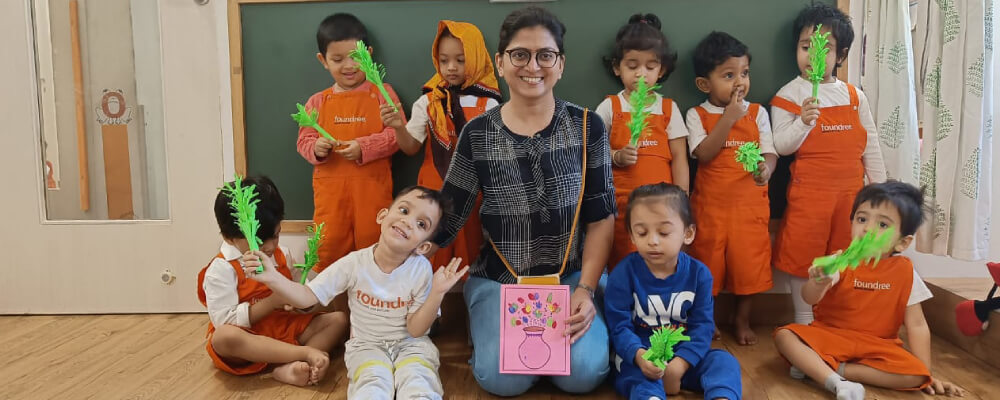
Foundree has ingeniously integrated a plethora of activities that not only cater to the holistic development of children but also cultivate their collaboration and critical thinking skills.

Preschool Activities: Laying the Foundation and Thinking Critically

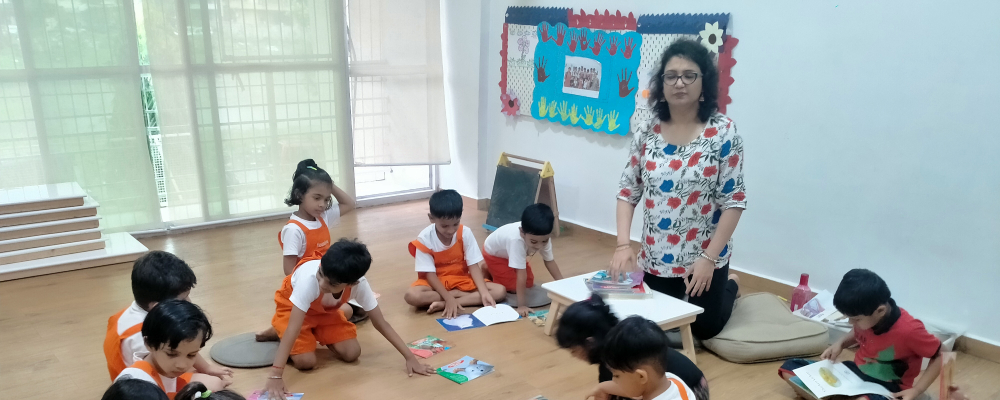
Foundree understands the significance of the formative years in a child’s development. Through a spectrum of preschool activities, children are immersed in hands-on experiences that initiate the growth of their cognitive, physical, and linguistic skills. Development of all such skills paves the way for honing critical thinking skills, as children learn to analyse narratives, interpret visuals, and draw connections between various concepts.

The hallmark of Foundree’s approach lies in its diverse educational activities that seamlessly blend learning and enjoyment. Children are consistently challenged to think critically while having fun. These activities stimulate their problem-solving instincts, encouraging them to explore unconventional approaches to overcoming challenges.

Developing Collaboration in Children

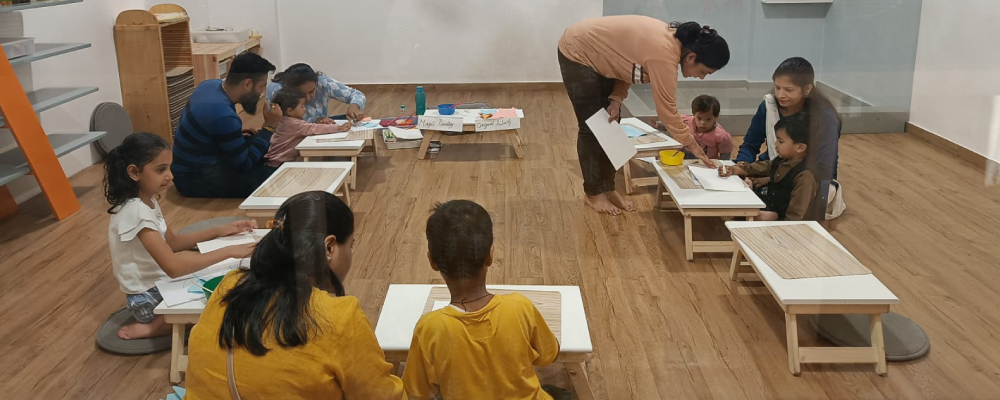
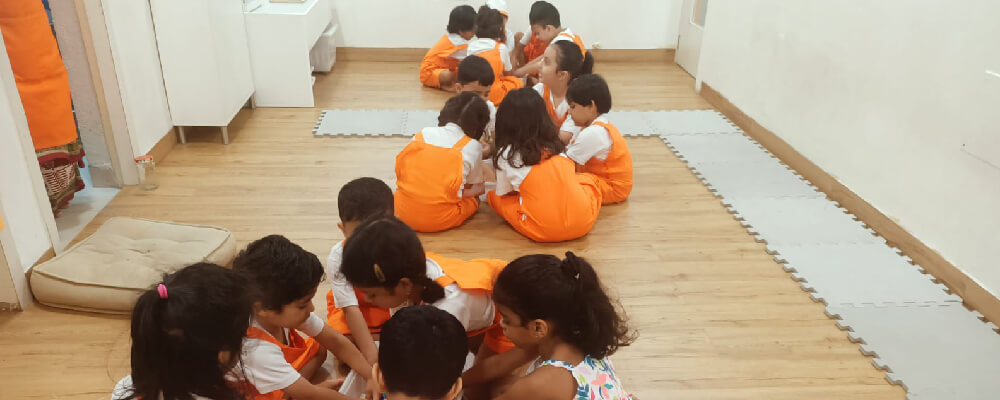
Foundree’s extensive repertoire of activities for kids extends far beyond the individualistic realm. We recognise the pivotal role that collaboration plays in today’s interconnected world. With team-building challenges and collaborative games, children learn the art of working together, capitalising on each other’s strengths, and collectively arriving at innovative solutions. This not only strengthens their collaboration and critical thinking skills but also fosters empathy, effective communication, and adaptability – all essential skills in collaborative environments.


Foundree ingeniously infuses the spirit of teamwork into enjoyable and interactive endeavours. Fun team activities that incorporate elements of adventure and competition tap into the innate desire to learn and grow together. Children engage in activities for kids that demand quick thinking, efficient planning, and synchronised execution – all crucial facets of collaborative success.


The art of brainstorming through sessions is a cornerstone of cultivating critical thinking skills. At Foundree, regular brainstorming sessions are conducted, providing children with a platform to voice their ideas, listen to their peers’ perspectives, and collectively refine concepts. Through this iterative process, they learn that critical thinking skills aren’t just about problem-solving; it’s about crafting innovative solutions from a wealth of ideas.


Puzzle solving games at Foundree are more than just entertainment – they are potent tools for enhancing critical thinking. By engaging in collaborative efforts to decode riddles, unravel mysteries, and conquer complex puzzles, children develop analytical skills that are transferable to various real-world scenarios.


A Journey of Collaborative Growth

In the nurturing embrace of Foundree’s educational ecosystem, we see that it not only enriches children’s minds but also nurtures their collaborative and critical thinking skills. Through a meticulously crafted blend of activities for kids, preschool activities, and engaging challenges, they develop the ability to work harmoniously in teams, analyse situations thoughtfully, and devise innovative solutions that transcend conventional boundaries.


Is Your Child Ready for Kindergarten? Use Our Checklist to Find Out!

The transition from preschool or early childhood education to kindergarten is a significant milestone in a child’s life. Ensuring your child is adequately prepared for kindergarten is crucial for their academic and social development. In this article, we will provide a comprehensive checklist to help you assess your child’s readiness for kindergarten and guide you through the kindergarten admission process.

Kindergarten: The Foundation of Education

Kindergarten is often the first formal step in a child’s academic journey. It serves as the foundation for their future learning and development. A positive kindergarten experience can set the stage for a lifelong love of learning.

Kindergarten Admission

Before delving into the readiness checklist, it’s essential to understand the kindergarten admission process. 

Kindergarten admission typically involves:

   1. Application: Complete the school’s application form, providing all required documents.

   2. Assessment: Some schools may require a kindergarten readiness test or an interview to evaluate your child’s readiness for the program.

   3. Visit the School: Schedule a visit to the kindergarten to familiarize yourself with the environment and the curriculum.

   4. Financial Considerations: Understand the tuition fees, payment schedules, and any financial aid options available.

The Kindergarten Readiness Checklist

Use the following checklist to assess your child’s readiness for kindergarten:

Academic Readiness for Kindergarten:

  1. Alphabet Knowledge: Can your child recognize and name most of the letters of the alphabet?

  2. Counting Skills: Does your child count to ten or higher? Do they understand basic numerical concepts?

  3. Fine Motor Skills: Can your child hold a pencil or crayon and draw basic shapes or write their name?

  4. Basic Math Skills: Is your child familiar with basic math concepts like shapes, colors, and simple patterns?

Social and Emotional Readiness for Kindergarten:

  1. Independence: Can your child dress themselves, use the restroom independently, and follow simple instructions?

  2. Social Skills: Does your child interact well with other children? Are they comfortable sharing and taking turns?

  3. Listening Skills: Can your child listen attentively and follow directions from teachers or caregivers?

  4. Emotional Regulation: Does your child manage their emotions and handle frustration or disappointment appropriately?

Kindergarten Readiness Skills:

   1. Language Skills: Can your child communicate effectively, express their needs, and understand basic conversations?

   2. Interest in Learning: Is your child curious and eager to learn new things?

   3. Attention Span: Does your child have the ability to focus on tasks or activities for short periods?

Assessing Kindergarten Readiness:

   1. Preschool Experience: Consider your child’s experience in preschool or early childhood education. Have they been exposed to a structured learning environment?

   2. Readiness Test: If required, have they taken a kindergarten readiness test, and how did they perform?

Preparing for Kindergarten:

   1. Home Environment: Is your home conducive to learning? Are there books, educational toys, and a quiet space for study?

   2. Routine: Establish a daily routine that includes reading, learning, and playtime to prepare your child for the kindergarten schedule.

Conclusion

Kindergarten is a crucial step in your child’s educational journey, and their readiness for it is paramount. Utilize the kindergarten readiness checklist to assess your child’s academic, social, and emotional preparedness. Remember that every child develops at their own pace, so provide the necessary support and encouragement to help them thrive in kindergarten. By ensuring your child is ready for this exciting chapter, you’ll give them a strong foundation for future academic success and personal growth.

How Daycare Supports Working Parents: A Win-Win Solution

In today’s fast-paced world, working parents often find themselves juggling multiple responsibilities. Balancing a demanding career with raising children can be challenging, but daycare centres offer a win-win solution that benefits both parents and their little ones. In this article, we will explore the ways in which daycare supports working parents and promotes early childhood education and care.

Child Care: A Necessity for Working Parents

Child care is a pressing need for working parents, and daycare centres fulfill this need effectively. They provide a safe and nurturing environment for children, allowing parents to focus on their careers with peace of mind. The phrase “child care” itself underscores the importance of ensuring the well-being of children while their parents are at work.

Daycare: A Reliable Option

Daycare, often interchangeably referred to as “day care,” is a reliable option for parents seeking professional care for their children during working hours. These facilities are specifically designed to cater to the needs of young children, offering age-appropriate activities and supervision that promote growth and development.

Daycare centres: A Hub for Early Childhood Education

Daycare centers are not just a place for children to be looked after; they are hubs for early childhood education. In these settings, children are exposed to a structured daycare program that includes cognitive, social, and emotional development. Early childhood education is a key aspect of daycare program, providing young minds with the foundation they need to succeed in school and beyond.

The Role of Daycare in Early Childhood Care and Education

Early childhood care and education are inextricably linked, and daycare plays a pivotal role in both areas. By integrating educational activities into daily routines, daycare centres foster a love for learning from a young age. This early exposure to educational concepts and interactive play sets the stage for a child’s future academic success.

Promoting Early Childhood Development

Daycare centres focus on holistic early childhood development. They recognize the importance of creating a well-rounded experience that encompasses physical, cognitive, and social development. Through activities such as arts and crafts, storytelling, and group play, children in daycare are exposed to a wide range of stimuli that promote their growth.

Supporting Working Parents

Working parents face the constant challenge of balancing their professional and parental responsibilities. Daycare centres offer a practical solution by providing a structured, reliable, and safe environment for children while their parents work. This support system empowers working parents to pursue their careers with confidence, knowing that their children are in capable hands.

Enhancing Social Skills

Early childhood is a critical period for developing social skills. Daycare centres are bustling with opportunities for children to interact with their peers, learn to share, and develop empathy. These social interactions are invaluable in preparing children for future social challenges and building their self-confidence.

Convenience for Working Parents

Daycare centres are designed with working parents in mind. They often offer extended hours to accommodate different work schedules, making it easier for parents to drop off and pick up their children. This flexibility is a significant relief for parents who might otherwise struggle to find suitable childcare options.

Conclusion

In conclusion, daycare is a win-win solution for working parents. It provides reliable child care, promotes early childhood education and care, and supports parents in their professional endeavors. By offering a nurturing environment where children can thrive and learn, daycare centres play a vital role in shaping the future of our society. As working parents continue to rely on these valuable services, we can expect to see more children benefiting from the holistic support that daycare provides. Early childhood education, social development, and the peace of mind that comes with knowing your child is well-cared for— day care centres offer it all, making them an indispensable resource for modern families.

Everything You Need to Know about Foundree’s Personalised Learning

Nowadays, it is critical to remain up to date on modern teaching approaches that accommodate students’ different learning demands. Foundree distinguishes itself by its distinctive and customised approach to early childhood education. This article delves deep into the intricacies of Foundree’s teaching model, shedding light on its distinctive features, benefits, and the impact it has on fostering holistic and customised learning experiences.

Understanding Foundree’s Teaching Methodology

At the core of Foundree’s teaching methodology lies a revolutionary paradigm that prioritises personalised learning. This educational approach breaks away from traditional instructional models that often adopt a one-size-fits-all strategy. Instead, Foundree harnesses the power of personalised education, recognising that each student is unique with distinct learning preferences, strengths, and learning potential. This customised learning principle is embedded within every faction of Foundree’s teaching approaches.

The Essence of Personalised Learning and Foundree’s Approach

Before delving deeper, it’s essential to comprehend the essence of personalised learning. In essence, personalised learning tailors the educational journey to match the pace, preferences, and learning style of each student. This teaching method differs from the usual lecture-based strategy, in which teachers offer standardized curriculum to a variety of students. Personalised learning, on the other hand, entails a learner-centered approach in which students are active participants in creating their educational experience and journey.

Foundree stands as a vanguard of educational innovation, employing a teaching model that embodies the principles of personalised learning in its purest form. Our teaching methodology is not just a one-time adaptation, but a holistic learning ecosystem that nurtures each student’s intellectual growth. By adopting an educational approach that is rooted in personalisation, Foundree has forged a teaching model that transcends traditional paradigms.

How Does Personalisation Come Alive in Foundree Classrooms?

What sets Foundree learning pedagogy apart is its commitment to delivering a personalized learning experience that resonates with students on a personal level. This dedication is obvious in the numerous ways we incorporate personalised learning into every aspect of their educational system. From curriculum creation to personalised classrooms, Foundree adopts student-centered teaching practices that allow students to take control of their learning path.

The benefits of Foundree’s personalised learning approach are multifaceted and profound. 

  • For starters, by accommodating different learning styles, this teaching technique assures that no student falls behind. Students who comprehend concepts quickly can master a skill and advance to higher levels, whereas students who require more time to master a skill receive ongoing scaffolding and help. 
  • Second, tailored learning develops a stronger bond between teachers and students. This learner-centered teaching method encourages open communication and enables educators to grasp individual obstacles and goals. 
  • Third, the individualised learning experience increases student engagement. Learners are more motivated to actively participate in the learning process when they see their interests and strengths reflected in their education.

Navigating the Personalised Learning Landscape

In a world inundated with information, personalised learning equips students with vital skills for navigating the complexities of the modern age. Foundree’s personalised learning methodology transcends mere academic prowess; it prepares students to be critical thinkers, adaptable problem solvers, and lifelong learners. This educational approach imparts not only subject knowledge but also essential skills such as self-directed learning, time management, and collaboration. All of these abilities are crucial as the kids prepare for a world that demands more than simple academic comprehension of concepts and ideas.

Unlocking Holistic Learning through Personalisation

Foundree’s educational approach transcends the confines of subject matter and curriculum. Their personalised learning experience extends beyond textbooks, nurturing students’ intellectual, emotional, and social growth. Foundree develops a comprehensive learning environment that empowers learners with skills and competences that extend well beyond the classroom by addressing the different needs and learning styles of students.

As a consequence, Foundree’s customised learning method embodies the educational trajectory. With its learner-centered teaching methodologies and individualised learning experiences, Foundree goes beyond simply transmitting knowledge; it also fosters a love of learning, develops each student’s potential, and provides them with the skills necessary to thrive in a changing environment. 

Indoor Toddler Activities: Fun and Educational Ideas for Active Little Ones

Keeping toddlers engaged and entertained indoors can be both a creative challenge and a delightful adventure. Toddlers and kids aged 3 to 6 years are bundles of energy and curiosity, eager to explore the world around them. 

There are many exciting and educational indoor activities for toddlers to captivate and make learning engaging. These activities also play a crucial role in nurturing their cognitive, physical, and emotional development. From interactive games to delightful crafts, these activities are perfect for both preschool and daycare settings. Read on to know more.

Sensory Play

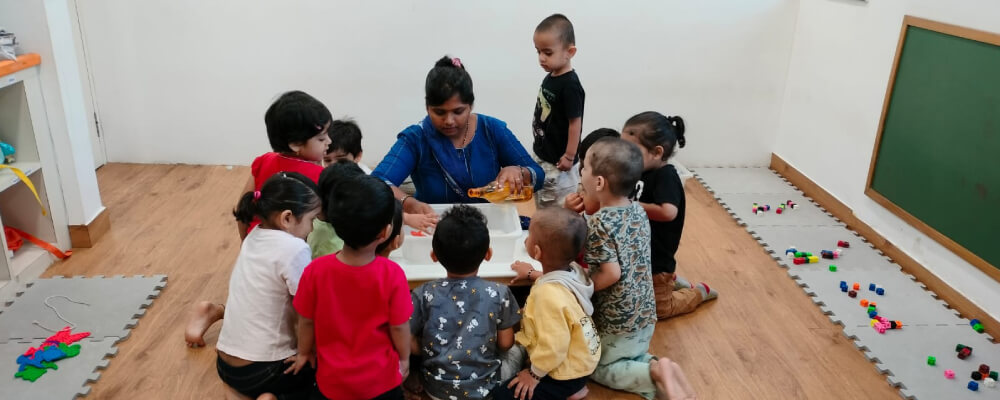
Toddlers learn through their senses, and sensory activities are a fantastic way to stimulate their minds and bodies. Sensory bins filled with materials like rice, beans, sand, or water with activities to add scoops, funnels, and cups for endless exploration can make them interested to learn more. Including small toys or objects for added excitement also helps.

Indoor Obstacle Course

A mini obstacle course using cushions, pillows, and soft play equipment to create challenges like crawling under tables, jumping over cushions, and balancing on a line of tape helps promote gross motor skills and coordination among toddlers, while keeping them physically active.

Arts and Crafts

As toddlers love getting creative and ready to explore the world around them, charged with curiosity, providing them with kids-friendly materials is a great option. Washable crayons, markers, and finger paints are great for unleashing their artistic potential, combining fun with learning. Encourage them to create their own masterpieces or participate in collaborative projects, like a group mural.

Puzzles and Building Blocks

Enhancing toddlers’ cognitive skills with colourful puzzles and building blocks that are large and soft are a perfect option to keep little hands intrigued to explore and learn. You can even create thematic puzzles that tie into the current learning themes at preschool or daycare.

Storytime and Puppet Play

Reading aloud to toddlers is a great way to introduce them to language and storytelling. Making use of puppets or stuffed animals to act out stories makes the experience even more engaging and interactive for young minds that are bubbling with imagination and creativity.

Dance and Movement

It’s time to go to the disco, isn’t it? Toddlers love moving their bodies to the rhythm, so introducing some music to encourage them to explore different dance styles and even create their own dance routines is not only something that should be done but also helps both learners and teachers experience a true sense of joy.

Indoor Bowling

Setting up a DIY bowling alley using soft, lightweight balls and empty plastic bottles can help toddlers practice hand-eye coordination and counting as they knock down the pins, while also adding to their excitement as they see the ball roll.

Imaginary Play

Provide dress-up clothes, pretend play props, and play kitchens for the toddlers to kindle their imaginations. Encourage them to role-play different scenarios, fostering creativity and social skills, and helping them learn new skills and values.

Playdough Fun

Playing with playdough is a fantastic way to improve little learners’ fine motor skills and sensory development. Offer various colours and tools, like cookie cutters and rolling pins, to enhance the play experience.

Alphabet and Number Hunt

Arrange for a treasure hunt-like experience and hide foam letters or numbers around the room. Challenge the toddlers to find and identify the missing elements to introduce the young buds to basic literacy and numeracy concepts in an engaging way.

Conclusion

Indoor activities for toddlers should be a harmonious blend of fun and education, catering to their boundless energy and curiosity. These ideas offer a plethora of opportunities to engage, entertain, and educate active little ones both in preschool or daycare. They not only keep the toddlers happily occupied but also contribute to their holistic development in a nurturing and stimulating environment. 


7 Creative Art Projects for Preschoolers to Enhance Development

A preschool or a daycare centre must provide a lively and fun environment that fosters the vibrant and imaginative personalities of its young learners. It is where the power of creativity and hands-on learning is unleashed, enhancing the development of the chirpy and enthusiastic young minds. 

The educational activities for kids must be designed to foster creativity, cognitive skills, and motor coordination through a range of exciting craft projects. Here are some delightful ideas that can cater to your child’s growth while having a ton of fun!

Crafting with Leaves: Exploring Nature’s Palette

Nature provides the most magnificent canvas for creativity, and incorporating it into activities for kids makes the learning process even more fun for them. Crafting with leaves offers an engaging way for preschoolers to connect with nature while enhancing their sensory awareness and fine motor skills. Collecting vibrant leaves and transforming them into beautiful collages, leaf rubbings, or even leaf animal’s sparks imagination and an appreciation for the world around them.

Ganesh Craft for Preschool: Embracing Culture through Art

Kids need to be encouraged and taught at a young age to celebrate diversity and learn about different cultures through art. Projects such as creating Ganesh craft introduces preschoolers to the rich heritage of Indian traditions. Creating colourful and playful figures of Lord Ganesh with various materials allows children to develop fine motor skills, hand-eye coordination, and an understanding of cultural diversity. Through this activity, kids not only make art but also gain insights into different customs and beliefs.

Activity with Ice Cream Sticks: Building, Creating, Learning

Ice cream sticks are more than just a tasty treat – they’re fantastic tools for crafting and learning! Engaging in projects like making mini houses, puzzles, or even simple frames from ice cream sticks promotes cognitive development, spatial reasoning, and problem-solving skills.This educational activities for kids helps Children  learn to manipulate and assemble objects, fostering their understanding of shapes and structures.

Preschool Shape Activities and Crafts: Nurturing Early Mathematical Concepts

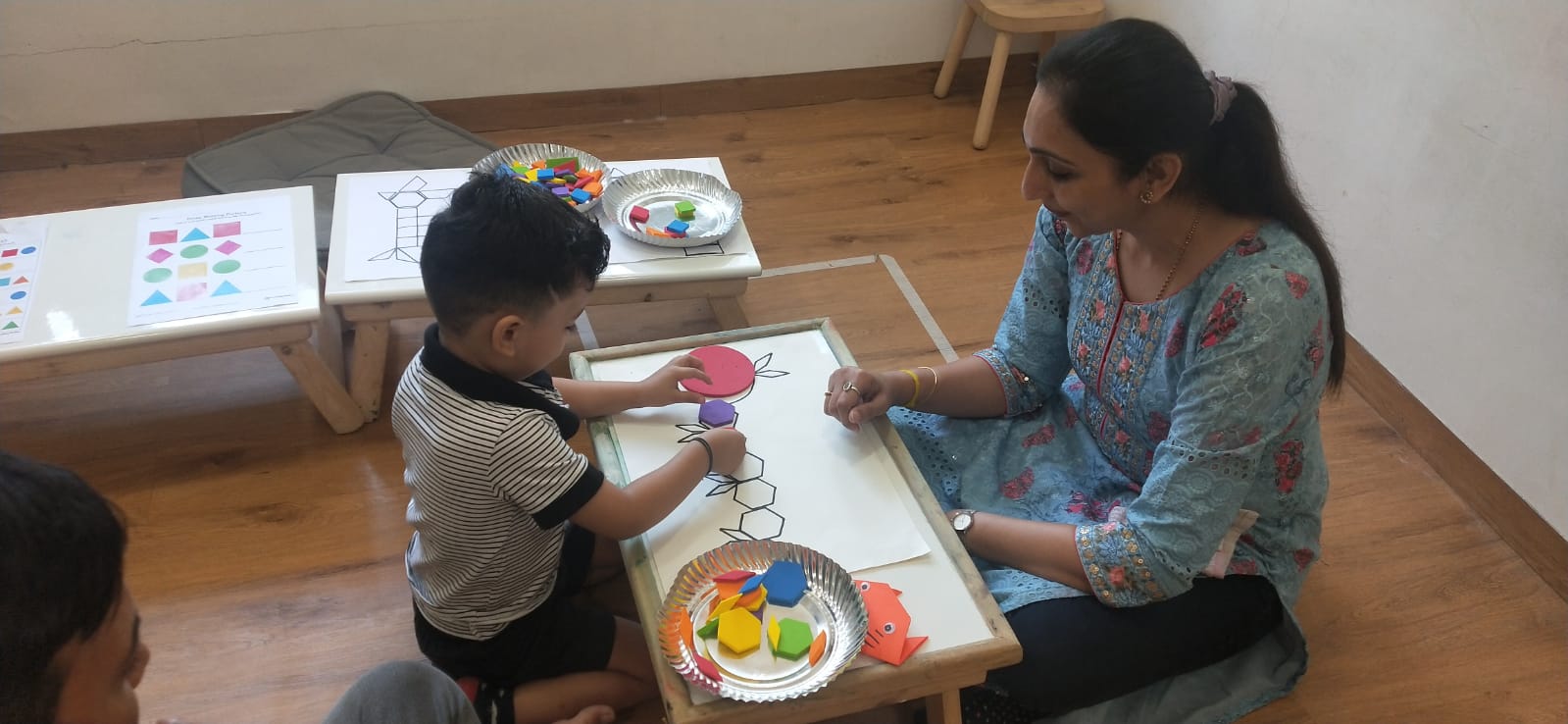
Shapes are the building blocks of mathematics, and activities focusing on creating such shapes and crafts not only make learning math fun, but helps improve logic and reasoning as well. From creating shape-based animals to building structures with geometric shapes, these activities help children recognize and differentiate shapes while honing their creativity and fine motor skills. Learning becomes an adventure as children immerse themselves in hands-on projects that ignite their curiosity.

Seasons Craft Ideas for Preschoolers: Embracing Change and Creativity

The world around us changes with every season, offering endless inspiration for craft projects. Arranging origami sessions that focus on seasonal crafts that celebrate nature’s transformations is a great way to introduce kids to the wonders of the changing world. Whether it’s making snowflakes in winter, crafting flowers in spring, or creating sun-inspired art in summer, these activities engage children’s senses and teach them about the beauty of nature’s cycles.

Preschool Umbrella Craft: Brightening Rainy Days with Art

Rainy days are perfect for exploring creative indoor activities, and promoting umbrella craft is a fun way to engage kids where they get to design and decorate their very own umbrellas. This activity not only helps foster individuality and self-expression, but also helps them understand the importance of weather while enhancing fine motor skills and hand coordination. Plus, they also make for interesting mementos to relive childhood memories.

Halloween Crafts for Kids: Spooky Creativity and Imagination

Halloween is a time for imagination and creative exploration, and introducing Halloween crafts for kids provides a safe and enjoyable way for them to celebrate the holiday. From crafting friendly ghosts and pumpkins to making spooky masks, these activities encourage imaginative play and self-confidence. Engaging in these projects also nurtures social skills as children interact, share ideas, and collaborate.

Conclusion

A preschool and daycare promotes an opportunity for growth, learning, and self-expression for kids through fun craft projects. Through carefully curated activities for kids, preschools can foster a fun environment where creativity flourishes, cognitive skills develop, and young minds blossom. A preschool is a hub for artistic adventures that allows young learners to explore the world through real-life examples and scenarios and create cherished memories that will last a lifetime!

The Significance of Loose Parts Play in a Child’s Learning Journey at Foundree

In the realm of child development, play assumes a paramount role in fostering creativity and imaginative skills. Among the myriad of play-based learning approaches, “Loose Parts Play” stands out as a dynamic and versatile methodology that kindles a child’s development, imagination and augments cognitive growth. This article delves into the magic of loose parts play, unveiling how this ingenious approach fosters creative thinking and enhances the imaginative and critical thinking skills of children at Foundree.

Understanding Loose Parts Play

At its essence, loose parts play revolves around enhancing a child’s natural curiosity and development with an assortment of movable, open-ended objects that can be freely manipulated and combined in endless ways. These objects span from simple elements like sticks, pebbles, and fabric to more intricate pieces such as wooden blocks and recycled materials. Unlike traditional toys, loose parts do not prescribe a specific use or outcome, granting children the liberty to imbue them with diverse meanings and functions. 

The Development of Imagination through Loose Parts Play

Imaginative skills encompass a range of cognitive abilities that enable children to envision and create worlds beyond their immediate reality. When children embrace loose parts play, a simple rock or a wooden stick can transform into endless possibilities fuelled by their imagination, creativity, and curiosity. Through imaginative play, children can assume different roles, solve problems, and grasp abstract concepts, thus contributing profoundly to their emotional, social, and cognitive growth. 

Cultivating Creativity through Loose Parts Play

Encouraging Unstructured Play:

Loose parts play at Foundree fosters child’s development and creativity by affording them the freedom to explore and manipulate objects in an unstructured manner. Unburdened by predefined rules, young minds are inspired to innovate and devise novel uses for the materials at hand. However, through loose parts play, the children exercise full control over materials, fostering a sense of independence as they autonomously delve into diverse realms of discovery.

Stimulating Sensory Experiences:

Whether it’s the roughness of the bark, the softness of fabric, or the clinking sound of glass bottles, incorporating diverse textures, colours, and shapes into loose parts of play enhances sensory experiences for preschoolers. These multi-sensory encounters provide a rich palette for the child’s development and imaginative journeys. Through various interactions with materials, loose parts play enriches children’s fine motor skills as they pick up, manipulate, and explore in myriad ways.

Storytelling and Narrative Building:

The amalgamation of loose parts for preschoolers with storytelling fuels the expansion of a child’s imaginative prowess. As children manipulate the loose parts, they are prompted to weave narratives, constructing intricate worlds and plotlines. This narrative-building exercise sharpens their cognitive faculties and enhances their verbal and linguistic skills.

Unlocking the Full Potential of Loose Parts Play at Foundree

The adept educators at Foundree play a pivotal role in your child’s development by making them harness the full potential of loose parts play. By sensitively observing each child’s preferences and interests, they tailor the loose parts environment to cater to individual needs, optimizing the imaginative growth of each preschooler. Additionally, Foundree meticulously designs play spaces that stimulate creativity and imagination. These spaces are equipped with diverse loose parts that inspire children to delve into uncharted territories of creativity. The fluid and open arrangement of materials facilitates seamless interactions, enabling children to collaboratively explore their imaginative visions.

The Captivating Impact of Loose Parts Play at Foundree

To sum it all up, the transformative impact of loose parts play on the imaginative skills of children at Foundree is unequivocal. By embracing this play-based learning approach, Foundree has unlocked a realm of boundless possibilities, fostering the seeds of creativity and imaginative thinking in young minds. Through unstructured play, sensory experiences, and the power of storytelling, loose parts play nurtures the imaginative essence of each child, priming them for a future characterized by innovation and adaptive thinking. As we celebrate the synergy between loose parts play and child learning and development, let us recognize and champion the magic that lies within the hands of our children at Foundree

The Power of Partnership: Parents as Key Players in their Child’s Learning Journey at Foundree

The foundation of a child’s learning journey is a crucial phase that shapes their path to success. As parents ourselves, we understand the significance of parents’ involvement in your child’s school and education and the impact it can have on their future. Foundree, committed to empowering parents and educators, recognizes the essential role parents play as partners in their child’s educational journey. In this blog, we will look at how parental guidance, academic engagement, and parents’ involvement in education create a strong foundation for our children’s growth and development.

Parental Guidance

From the moment a child is born, parents become their first teachers and role models. Parental guidance lays the groundwork for a child’s learning journey. Beyond merely providing the necessary resources for learning; rather, it involves fostering a thirst for knowledge. Children who receive strong parental guidance are more likely to excel in their academic pursuits and show increased academic engagement.

Academic Engagement

Academic engagement refers to a student’s active involvement in their learning process and academic activities. When parents actively participate in their child’s education, they contribute significantly to fostering academic engagement and creating a positive learning environment at home. Such an environment instills a sense of curiosity and eagerness to learn, which directly impacts a child’s academic performance.

Learning Support 

As children embark on their learning journey, they require a strong support system to overcome challenges and reach their full potential. Parents, as partners in this journey, must provide learning support tailored to their child’s needs. This support may include assisting with homework, engaging in educational activities outside of school, and seeking additional resources when necessary. In the learning journey of your child, the Foundree app serves as a bridge between parents and schools. With just a few taps on their smartphones, parents gain access to real-time updates on their child’s academic progress. This immediate access to information enables parents to stay involved in their child’s learning journey, allowing them to provide timely encouragement and support. One of the key features of the Foundree app is the day’s updates, where parents can receive detailed reports of their child’s daily activities at school. In addition to keeping parents informed, the Foundree app offers a unique and heartwarming feature: the ability to share a child’s day activities with parents and vice versa. 

Active Participation 

Parental involvement goes beyond academic engagement; it also encompasses active participation in a child’s extracurricular activities and personal interests. By attending school events, such as annual day, sports competitions, and artistic performances, parents show that they value their child’s passions and talents. This kind of parents’ involvement in education and unwavering support boosts a child’s self-esteem and motivation.

Parent-Toddler Program 

The Parent-Toddler Program at Foundree creates a structured yet fun-loving environment for toddlers through activities such as parent-toddler yoga, musical bonding, sensorial activities, and storytelling, fostering enhanced physical, linguistic, cognitive, and socio-emotional skills. This sense of partnership instils a growth mindset in the child, encouraging them to embrace challenges and persist in the face of difficulties.

Parent Involvement in Schools 

Parents’ involvement in schools can catalyze positive changes in the education system. When parents engage in school governance and decision-making processes, they bring a unique perspective that complements the expertise of educators and administrators, take Parent Teacher Meets at Foundree for instance. PTMs provide a valuable opportunity for parents to engage in open dialogues with teachers, gaining insights into their child’s progress, strengths, and areas for improvement. Additionally, Spotlight Event at Foundree is a celebration of every child’s unique talent and capability. In these sessions, parents come to the school, and the focus is centred on one child at a time. Moreover, we have Parent Orientations at Foundree which is an immersive and enlightening experience where parents actively participate in all the activities their children engage in. Through this hands-on approach, parents gain firsthand insights into their child’s educational journey, fostering a deeper understanding of the learning process. 

Forging a Path to Educational Excellence Through Parental Guidance

The key to fostering a robust educational foundation for our children lies in the unwavering partnership between parents, and educators. By providing the necessary tools, resources, and support, Foundree empowers parents to take an active role in their child’s educational journey. Through parental guidance, academic engagement, and parents’ involvement in schools, we can create a nurturing environment where young minds thrive and excel. 

Looking for a day care? Foundree Daycare is your answer

Finding the right daycare for your child can be a daunting challenge. As a parent, you want to ensure that your child is in a safe and nurturing environment where they can thrive and receive quality care. It involves navigating through numerous options, considering factors such as location, safety, reputation, curriculum, facilities, and the expertise of the staff.

A Nurturing Learning Environment for Your Child’s Growth 

When it comes to your child’s development, finding the right day care is crucial. At Foundree Daycare, we understand that every child is unique and possesses innate abilities. Our goal is to provide a safe and loving environment where children can learn, develop emotional intelligence, and foster independence. With our exceptional facilities and dedicated team, Foundree Daycare is the best choice for your little one.

Emotional Well-being and Individual Attention

We recognize the importance of emotional well-being in a child’s growth. Our compassionate team takes the time to understand each child’s unique personality, interests, and needs. By providing individual attention and fostering positive relationships, we create a supportive and learning environment where children can thrive emotionally and develop essential social skills.

A Sense of Belonging

We understand that children thrive when they feel a sense of belonging and connection. At Foundree Daycare, we emphasize creating a warm and inclusive environment where children develop meaningful relationships with their peers and caregivers. We foster a sense of community through group activities for kids, collaborative projects, and opportunities for children to share their ideas and experiences. Our play areas are thoughtfully designed to inspire curiosity, with age-appropriate toys, books, and materials that encourage exploration and learning.

Safety and Health as Priorities

We understand that as a parent, your child’s safety and health are your top concerns. At Foundree Daycare, we prioritize safety by providing state-of-the-art indoor and outdoor spaces. Our daycare centers are equipped with child-safe areas that promote exploration and physical development. We also have dedicated diaper-changing stations and an on-call paediatrician to address any health concerns promptly. Furthermore, our meals are meticulously planned by professional nutritionists, ensuring that your child receives fresh and healthy nutrition throughout the day.

Convenience and Peace of Mind

We know that staying connected with your child is essential and among your top priorities in your daycare checklist. That’s why we have developed the Foundree Daycare App, offering real-time updates about your child’s progress. From their meals and sleep time to their learning activities, you can stay informed with just a touch of your fingertips. Our safe and hygienic environment, complete with live CCTV access, provides peace of mind, knowing that your child is well-cared for.

A Dynamic Environment for All Ages 

At Foundree Daycare, we believe that learning should be an enjoyable experience. That is why we offer a wide range of age-appropriate activities for kids. For kids between 1.5 to 10 years, our trained and passionate team nurtures their curiosity and fosters a fascination with the world. For our little angels aged between 6 to 18 months, we have carefully designed rooms that prioritize their growth and safety. We take pride in offering several advantages that set us apart from other daycare centers.

When it comes to choosing the best daycare for your child, Foundree Daycare is your answer. Our commitment to creating a nurturing and engaging learning environment, combined with our focus on safety and well-being, sets us apart from other daycare centers. With our age-appropriate activities for kids, dedicated caregivers, on-call paediatrician, nutritionist-planned meals, safe and hygienic environment, extended hours, and much more, we strive to provide the best care possible for your child’s growth and development.

Choose Foundree Daycare and give your child the best start in life. Contact us today to experience the Foundree advantage!

Inspiring Young Minds: The Power of a Positive Preschool Education Environment

Enrolling your child for a preschool education is essential for their early development, that helps lay the foundation for their lifelong learning journey. During your child’s formative years, their mind acts like a sponge, absorbing knowledge, and experiences at a rapid pace. 

Therefore, providing them with a positive preschool education environment that fosters holistic growth and enables their social, emotional, and cognitive development becomes important. 

Here are key-based aspects of a positive preschool learning environment:

Holistic Education: Nurturing the Child’s Growth from All Aspects 

Preschool education focuses on nurturing all the aspects of your child’s development that include their cognitive, social, emotional, and physical development. A positive preschool environment caters to these multiple aspects, providing opportunities for children to engage in diverse activities that promote their overall growth. This holistic education can help your child develop essential life skills, such as problem-solving, critical thinking, creativity, and effective communication.

Enabling Learning Environment: Unleashing Curiosity and Exploration

An enabling learning environment is essential for preschoolers to thrive. Classrooms should be designed in such a way that it instantly stimulates curios minds of the young learners and encourages them to explore. 

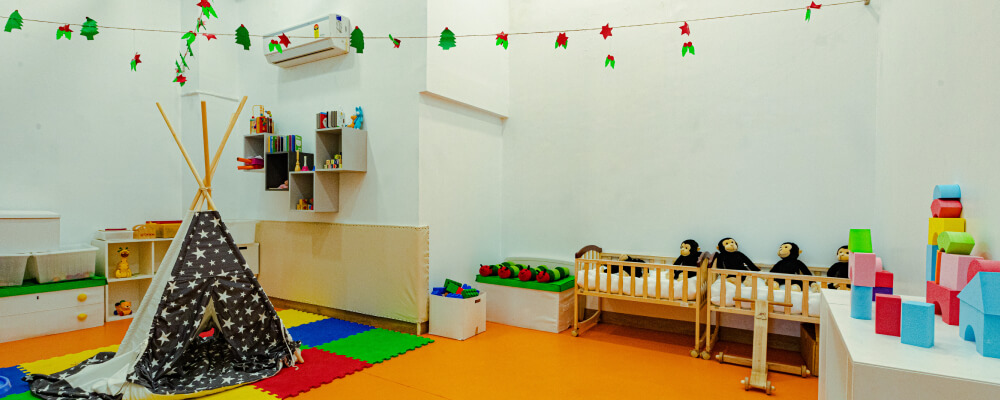
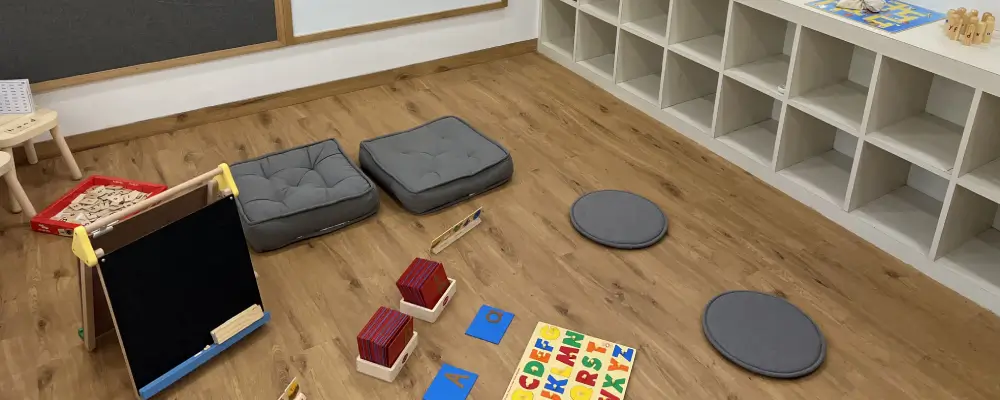
Colourful and interactive learning corners, well-organized materials, and child-sized furniture contribute to a space that invites active participation and engagement. When children are surrounded by an environment that encourages hands-on learning, they feel empowered to explore, experiment, and discover the world around them.

Play-Based Learning: Learning through Joy and Imagination

Play-based learning is one of preschool education’s key components which gives children the opportunity to learn and have fun, while letting their imagination run wild. Play is not just a leisure activity; it is a powerful tool for early childhood development. It can help your child develop social skills, language proficiency, problem-solving abilities, and creativity.

A preschool incorporates it into its everyday educational activities. Whether it is building blocks, pretend play, art and crafts, or outdoor games, play-based learning fosters a love for learning and helps children develop a positive attitude towards education.

Educational Activities: Promoting Active Learning

Organising various educational activities promotes active learning among preschoolers and keeps their young minds stimulated. Incorporating age-appropriate activities and projects enhances children’s cognitive development and encourages them to think critically. Educational activities can include storytelling sessions, hands-on science experiments, group projects, music and movement sessions, and field trips. Such activities not only make learning enjoyable but also help children develop important skills like teamwork, problem-solving, and decision-making.

Positive Learning Environment: Nurturing Emotional Well-being

Creating a positive learning environment is not just about celebrating academic achievements, but also prioritising the emotional well-being of preschoolers. Teachers and caregivers play a crucial role in fostering a nurturing and supportive atmosphere for children to help them feel safe, respected, and valued.

Encouraging positive relationships, celebrating individual achievements, and providing emotional support contribute to a preschool environment where children can thrive, grow in confidence, and develop a positive self-image.

Conclusion

A positive preschool education environment is like clay that helps mould young minds. A holistic learning environment that promotes play-based learning, offers engaging educational activities, and nurtures emotional well-being of the young learners helps preschools inspire young children to love learning and develop essential skills for their future. 

A caring and loving preschool environment gives every child the opportunity to embark on their educational journey in a space that sparks curiosity, encourages exploration, and fosters a love for learning, inspiring them to reach their full potential.

Call Us Admission Enquiry