What do toddlers learn in a Preschool Program?

The development of your child is influenced by numerous variables. Many parents think that the education and atmosphere their children need to thrive are provided by the school, but in actuality, a lot depends on their teachers and other students. A child’s effective development during their adolescent years depends on five key factors. 

Development

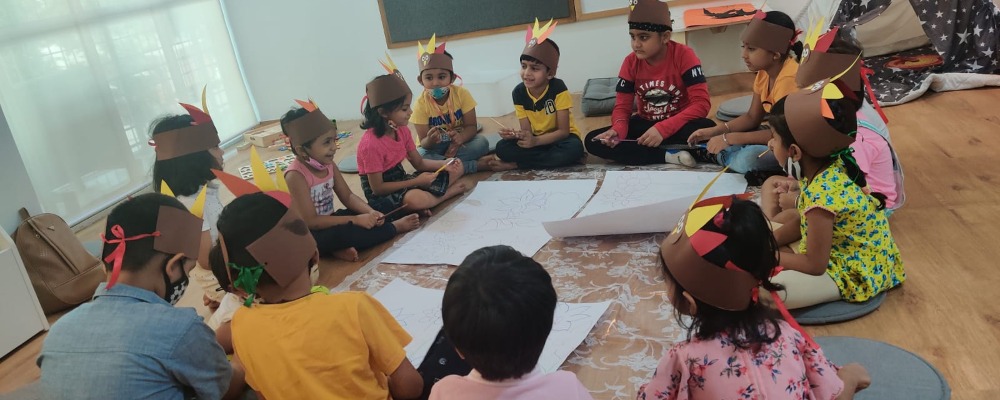
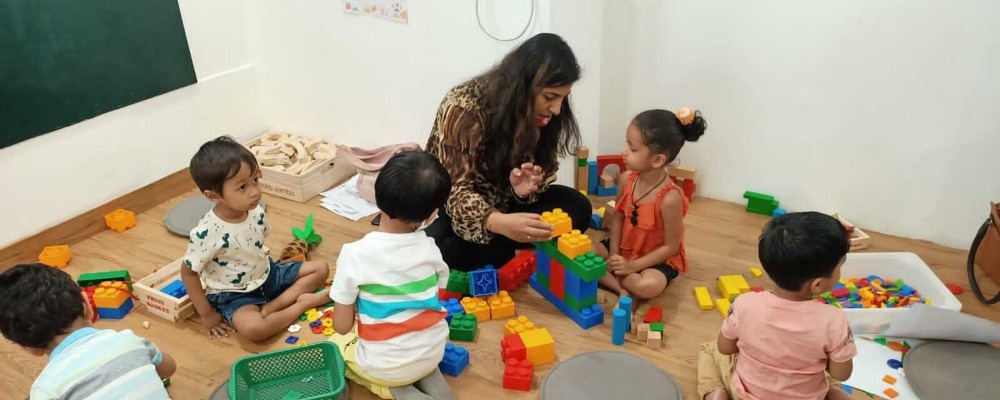
Physically, socially, emotionally, linguistically, literately, and in terms of thinking (cognitive) abilities are all areas in which your child is still growing. In every one of these areas, teachers help her. Your child’s ability to move her arms, legs, fingers, and hands (large motor abilities) are indicators of her physical development (small motor skills Teachers give students a variety of physical activities and resources to help them learn these skills. As they get older, your child might develop more social skills. To instill cooperation and respect for others, teachers and students collaborate. Playing and learning together helps kids develop their self-control, language skills, and social skills. The emotional maturity of your child affects how well he or she understands both his or her own and other people’s feelings. Teachers support their pupils in recognising and managing their own feelings and behaviours.

Preschool Curriculum Implementation

The majority of preschools have a philosophy and a set of objectives that all teachers must follow. Teachers occasionally adhere to these general principles informally. Teachers frequently utilise specialised lesson plans and rubrics to gauge the achievement of their students. A preschool curriculum may also include assignments for the child to complete at home to reinforce lessons taught in class. Although it might appear that a preschooler spends the entire day playing in the classroom that is not the case. Though kids undoubtedly have a lot of fun, play is so much more than that.

Literacy Abilities

Helping your child communicate via reading, writing, listening, and talking is the main goal of developing literacy skills. The cornerstone for all of these talents is literacy, and a top-notch preschool programme may assist in establishing good concepts and communication skills.

Creative arts

Children use several methods to convey their thoughts and feelings. It might be done through pretending, dancing, or painting. Writing stories or coming up with techniques to stop the snow in the water table from melting quickly are just two examples of how creativity may be exhibited and how it promotes all areas of learning. In order to push your preschooler’s creativity, teachers supply a variety of open-ended materials (playdough, seashells, chalk), as well as a setting that promotes their abilities.

Toddlers have so much to learn in a Preschool Program teachers can modify their instructional strategies to meet the requirements of particular students in their classroom through preschool activities. Despite the fact that not all preschools follow the same educational standards, they all aim to prepare pupils for kindergarten. As a result, the most effective preschools focus on developing students’ math, science, and literacy skills.
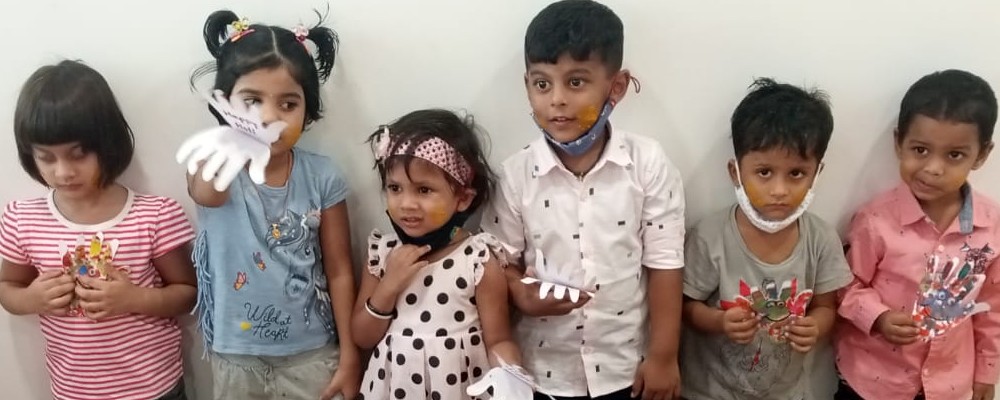

5 Colourful Holi Activities for Preschool Children

Holi, the festival of colours is around the corner and what can be the best way to celebrate it with non-other than children? To make the occasion special, many preschools engage children in fun activities such as making colourful decorations, playing games, and creating Holi-themed crafts. Best preschools always adopt such interactive activities to engage the children to enjoy and learn about festivities in the most fun way!

So, if are you looking for creative and colourful activities to celebrate Holi with your pre-schooler? Look no further! We have compiled a list of 5 fun, age-appropriate Holi activities for preschool that are sure to bring the joy of Holi to the little ones! 


  • Experiment with colours using oil and water

Children will have fun learning how oil can protect their skin with this experiment. Begin by applying baby oil to one hand and dampening the other hand with water. Then, take the Holi colour and rub it on both hands. Have the child stay with their hands covered in colour for five minutes, and then wash off the hand with the oil first, followed by the other hand. Ask them which hand was easier to get the colour off of. Oil does not mix with colour, creating a thin barrier between the skin and the colour. Water, however, mixes easily with colour, making it more difficult to take off the colour from the hand dampened with water.


  • Vanishing Colours

Let the children have a blast this Holi by performing an exciting experiment with food colouring, laundry bleach, and droppers and make your Holi celebration in preschool more fun! Ask them to mix different colours of food colouring with water in separate transparent glasses, then add laundry bleach to each coloured solution using a dropper. They can observe how each colour begins to fade – some faster than others. To make it even more fun, encourage them to keep adding bleaching agents until one of the colours is completely gone. This experiment is a great way to show kids the science behind bleach and how it works. Bleach contains oxidizers that react with colour molecules, causing them to lose their hue. That’s why it’s used to remove stains and spots.


  • Colour Balloon Cricket

This Holi, give your kids an unforgettable experience – colour balloon cricket! Get some colourful balloons and let your child hit them with a cricket bat. It’s sure to be one of the best, craziest and most enjoyable preschool activities for kids this Holi. We guarantee you’ll be thankful you tried it!


  • Water shooting

This is another activity to make your preschool Holi celebration more joyous. Add an extra element of fun to your kid’s Holi celebration by stacking disposable cups on top of each other and having the children shoot water from their water guns to knock them down!


  • Make your T-shirt

 This could be the best engaging activity for the Holi celebration in the preschool. Let your child be creative by helping him make a tie-dye shirt! Have him get an old, light-coloured t-shirt and roll it up. Then secure it with elastic bands at various places. Provide fabric paint or tempera paints, gloves, and a place to colour. Once he’s finished, let the shirt sit for an hour before washing. After drying in the shade, his unique Holi t-shirt is ready to wear!


Conclusion

 As you can see, there are plenty of fun and colourful activities to plan for pre-schoolers to enjoy the Holi festival. Whether it’s making colourful crafts, playing with colours, or dancing to traditional songs, your pre-schoolers will have a blast celebrating Holi. With a little bit of imagination, you can make the festival extra special for your little ones. So, get creative and plan some best fun activities for your pre-schoolers to enjoy this Holi!

Fun Numeric Activities for Pre-schoolers and Kindergartners

Numbers can be a nightmare for many children, especially when they are not introduced to Math from an early age. Imparting numerical skills among preschool children is very important so that they enjoy playing with numbers as they grow up. Let’s look at some fun activities that can make little and curious learners fall in love with numbers. 

Adding tunes to numbers

Melodies and music can have a lasting impression on children and their memory. That’s the reason why toddlers tend to remember counting songs and rhymes more often. In the process of learning the songs and rhymes, they are also parallelly improving their numerical skills. Some of the most popular counting songs include “One, Two, Buckle My Shoe” and “Ten in the Bed.” Once children get used to them, you can make them listen to more complex number songs and rhymes. 

Step up the Number Game

Fun number recognition games can be a great way to make children enjoy the process of learning math. There are many number puzzles that can be used to challenge preschool learners and test their numerical skills. Number memory card games can be used to help children identify numbers by their shape and understand their sequence. 

Go practical!

Introducing children to the concept of counting by grouping similar kinds of objects, can be a very interesting way to enhance numerical skills in children. For example, you can engage children in games where they must match a numerical number 5 to a set of 5 similar objects, say cars. You can then ask them to count similar kinds of objects and write the number on a book. 

Understanding the form

Apart from counting, you can also engage children in games that help them identify the numerical form. You can have flashcards with numbers and ask children to identify each one of them. You can first go in a sequential manner and then show flashcards in a random sequence. 

Crafting stories around numbers 

Stories stay with children for a longer time, which is why you can create stories around numbers and engage the children. For example, you can tell a story about a family of 5, that had 3 different pets. While narrating the stories, you can lay more emphasis on the numbers and count them out for them. Stories open their minds and help them visualise the numbers better. 

Fun games related to number recognition and memory are like fodder to creative little minds, and hence they should be a part of preschool education.  When learners are introduced to such activities in their preschool or kindergarten, they slowly start developing an interest and love for the subject. Once they enter primary school, they will be ready to take on new numerical challenges that come their way and further sharpen their skills. Math will no longer be a nightmare for them. In fact, the more they learn and practice, the more they will start enjoying it! So, even as parents, you can explore creative ways to explain numerical concepts in your day-to-day lives. 

How do preschool teachers help students overcome their fears?

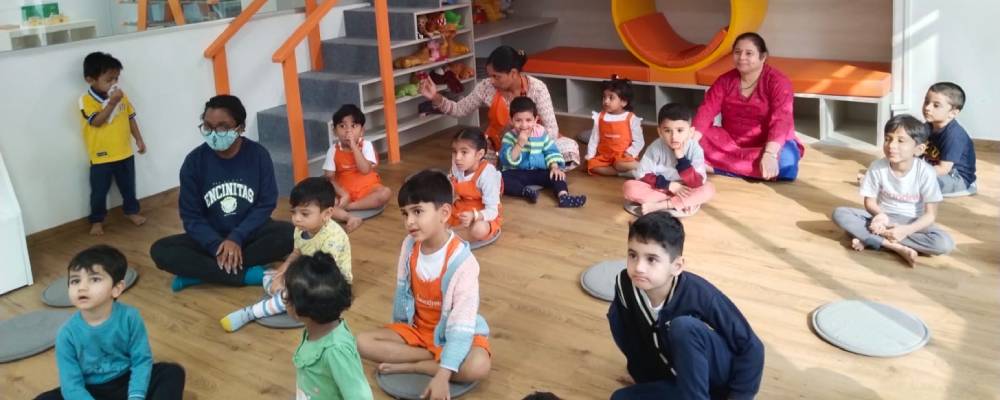
Anxiety and fear are very common among children who are about to start their academic journey. Until preschool, children are comfortable in the company of their parents or guardians. When they enter Preschool, they are introduced to a whole new world of unknown faces and new friends, all of which can be very overwhelming for any child. Preschool teachers are equipped with the right kind of skills and knowledge to help children overcome their fear. Let’s understand the techniques they use to help Preschool learners break their shells of fear and be comfortable in their new setting. 

Understanding the impact of fear on children

Fear can have long-lasting effects on children, which could impact them in different ways even as they grow up. Preschool teachers keep updating themselves on the biological effects and signs of anxiety like a racing heart, breathlessness, excessive sweating etc. By understanding the nitty-gritty of fear and how it impacts cognitive factors, preschool teachers are well-equipped with the necessary tools and techniques that can help children feel more secure and confident in school. 

Backtracking to the origin of fear

There are different triggers and sources of fear. Some of these can be the immediate setting, others can be related to their personal experiences at home or outside school. Preschool teachers take a personalized approach towards understanding each child’s mindset for analysing triggers that lead to anxiety among children. Once they are clear about the triggers, they work backwards to tackle the issue at the source with coping mechanisms and counselling with parents. 

Making children aware of their emotions

Emotional intelligence plays a crucial role in helping children deal with unexpected situations and circumstances in life. It makes them aware of their innermost emotions and fears and helps them identify ways to overcome the same. Rather than distracting children when they are anxious, it is important to make them feel at ease so that they can open up and discuss freely what they are actually feeling. 

Making learning fun

Preschool teachers take an effort to make learning a fun experience for children. They engage children in a variety of fun-filled activities and games which not only help them learn new concepts but also keep them excited and happy. By doing so, children naturally start developing a love for learning, which ultimately makes them more eager to go to school. 

Creating a nurturing environment

To deal with anxiety and fear, children should be encouraged to try new things. They should be given the freedom to explore their creative mind. Sticking to a textbook method will only limit their real potential. They should be encouraged to ask questions and find answers on their own so that they keep learning without the fear of making mistakes. Teachers should never ridicule any child because of their actions, rather they should give them logical explanations so that they can evaluate what is wrong and what is right on their own. This instills confidence and a sense of responsibility among children. 

Preschool teachers also introduce relaxation techniques that help children calm their minds. They are constantly in touch with parents to make them aware of how their children are faring at school. The best preschools, like Foundree, invest time and effort in understanding the impact of fear in toddlers and ways to deal with them using effective methodologies.


The Best way to Communicate with your Child

Every interaction that you have with your child is a form of communication. It is not only verbal communication but also non-verbal   communication that conveys messages to your child. The way you communicate teaches your child how to express themselves, shapes their emotional development and is a foundation for building relationships.

Verbal communication includes the words you say, pitch and tone of voice and dialect. Non-verbal communication includes eye contact, facial expressions, hand gestures and physical touch like a hug.

Let us look at a few ways to effectively communicate with your child.

Active listening

Actively listening helps the child feel heard and understood.When your child is
talking put aside everything and be completely present with them. Encouraging smiles and
affirming nods show that you are engaged with what your child is saying. Looking at them at eye
level helps your child feel safer and connected with you. Asking questions in the middle of the
conversation also shows that you are listening intently to what is being said.

Speaking clearly

Use language that is easy and age appropriate for your child. Be simple, clear
and specific. Do not use unkind words or derogatory language. Always set your intent on what you
want to convey to your child before speaking. Using positive language helps set an example for
your child. This ensures that the child feels respected and loved.

Explain feelings

This is very important for your child to develop emotional intelligence. When your child is expressing his/her feelings, listen to what they have to say with empathy and without
judgement. Put yourself in their shoes and try to see their viewpoint. Help them to express their
feelings in words such as happy, relaxed, proud, sad, hungry, angry, embarrassed etc. This helps
to understand their emotions and feelings distinctively.

Leading by example

This is very important as parents are a child's introduction to the world.

What your child sees you do is as important as what they hear you say. Only make a promise to
your child that you are sure you can keep. This helps to build and maintain trust between you and
your child. Children also observe how parents behave with others and this sets an example for
their social interactions in future.

Focus on behaviour

If you’re upset about the behaviour of your child, make sure that your
criticism and comments is directed towards that behaviour and not towards the child. For example
instead of, “ I don't like that you are messy” can be reframed into, “ I don't like when you leave your toys all over the floor”. This will ensure that the child corrects that behaviour without feeling resistant or bitter.

Having fun together

Talk with your child about the days activities, different topics such as TV
programmes, videos, games, books and toys. Involve them in day to day activities and also ask
them their views and thoughts regarding different subjects. This way children will learn easily by
taking in information through daily interactions and experiences around them.
Go ahead and build strong communication skills in your child in a joyful manner.

Importance of preschool education

A preschool is the first stepping stone of a child into a world out of home. It is the ideal setting for laying the groundwork for a child’s future success. Children develop a strong foundation in social, emotional, physical, academic and life skills during preschool which helps them succeed in school and beyond.

Let us look at the different reasons why a preschool is important and what role it plays in a child’s complete development.

Creativity and Curiosity

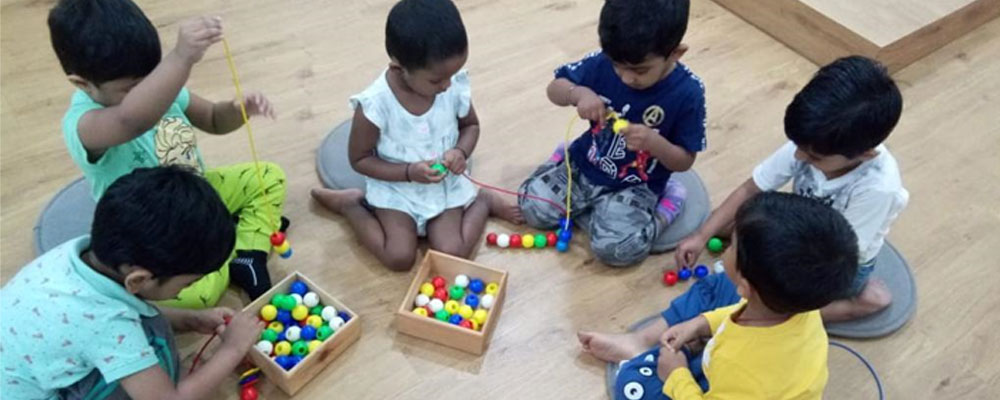
Young children are curious, ask questions and love to explore the environment around them. They also have creative ideas and imagination. Preschool activities such as beading, art and craft, field trips and free play help develop creativity.

Social skills

Till the age of 3 a child spends most of his life with his parents and immediate family. At preschool children spend extended periods of time with other children and people who are not members of their families. The child learns how to make friends, collaborate, listen and develop conversational skills with strangers. They also learn how to interact with others, how to share and how to conduct themselves in a socially appropriate manner.

Language skills

The cooing and babbling is now slowly getting replaced by words and meaningful sentences. Language rich setting in a preschool helps child by introducing new vocabulary and asking them thought provoking questions. Preschoolers thus learn to speak effectively because they have many opportunities to explore new things, read books, act out stories, singing and also communicate with their peers and teachers.

Cognitive skills

Preschool curriculum involves participation in activities that encourage children to try new things, solve problems, ask questions and observe the world around them. These activities are targeted towards enhancing the cognitive skills of a child thus enabling them to learn more.

Motor skills

Fine motor and gross motor development are one of the major skills that a child should acquire. These skills stay with them for life and help them in various activities. Preschool activities such as lacing, reading, cutting, sticking, throwing, painting, running and outdoor play encourages developing fine and gross motor development. These activities provide opportunities for children to challenge themselves and enhance their skills.

Pre-literacy skills

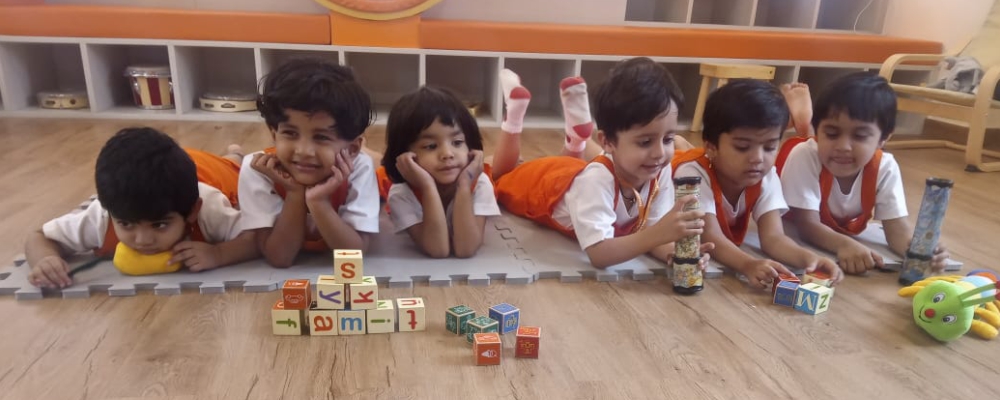
In preschool teachers use a variety of games and activities to develop pre- literacy skills. Rhymes help to discriminate between different sounds. Stories helps to develop fundamental life skills in a fun way. Introduction of alphabets, words and numbers are a prerequisite for language and math skills. Children develop a sense of joy and motivation to learn new things.

Foundree is the best preschool in Mumbai and Pune. Foundree offers a premium educational experience for your child wherein the development and growth of each child is taken into consideration and the best learning experience is given to them. They strive to build a strong foundation that ensures academic success and overall growth. Foundree also offers a wonderful new program for the benefit of the children – Start Early. In this program the academic year commences in the month of January itself and hence the child starts classroom learning early. The child’s period of settlement also begins early day thereby facilitating better social skills as well as enhanced academic knowledge. Go ahead and aim for all-round development of your child by choosing the best preschool.


Tips for Teaching Subtraction in Kindergarten

Subtraction can be tough for young kids because they are still learning to count. They may not yet understand that when you subtract, you are taking away from a whole. This can be confusing for them. Additionally, they may not have the patience to sit and count out a large number of objects. If they are subtracting a large number from a small number, they may get frustrated. However, there are a few ways that can help the children learn subtraction!

If you are a parent looking for ways to make subtraction interesting for your little one, then here are some tips from a renowned kindergarten in Baner, so keep reading:

Use real examples

You can use objects to help them understand that subtracting means taking something away. Involve them in real examples where you give them something and take away a part of it, then ask them to evaluate and derive an answer. This is a very common kindergarten learning technique that helps children to easily understand subtraction!

Use different strategies

There are many different ways to help children learn subtraction. You can use methods like picture books, finger counting, crossing out, using cubes, drawing dots and erasing, etc. These are some very useful techniques used by some famous kindergarten schools.

Use flashcards

Subtraction is a difficult concept for many young children to grasp. However, using flashcards can help make learning subtraction a little easier. Flashcards can help by providing a visual representation of the concept. Additionally, using flashcards can help children to learn subtraction facts in a fun and interactive way.

Use storytelling

Kindergarten in Baner uses the storytelling technique that helps children in learning subtraction. When children are told stories that involve subtracting, they are more likely to remember the subtraction facts. This is because stories help to create mental pictures that children can use to recall information. In addition, stories help to make the material more interesting and enjoyable for children, which motivates them to learn.

Practice, practice and practice

The best way for young kids to learn subtraction is by providing multiple practice sessions. Many kindergarten schools highly vouch for this method. One way to provide multiple practice sessions is to use a variety of different activities like games, worksheets, and even real-life examples. By doing this, children will be able to see the concept in different ways and be better able to understand it.

Another way to provide multiple practice sessions is to have children work on subtraction problems in small groups. You can group with your children and have their friends or families on the other team and try this technique out. This will allow them to get immediate feedback from you and they will be able to work on solving problems in a better way. In kindergarten schools, teachers join the group as well, and solve the problems together!

Inspired by some renowned kindergarten schools, these are a few ways in which parents can teach subtraction to young children. We know that it can be challenging to figure out the best way to teach them a new skill, but we hope that the suggestions mentioned in this blog post will help you devise a plan that will work for you and your children. Lastly, don’t forget to make kindergarten learning fun! Children will only enjoy learning math when it doesn’t look difficult and is interesting to learn.

How to Handle Fussy Eating Habits in Small Kids

The most common concern of parents is how to convince their kids to eat because most toddlers have a tendency to be fussy eaters. You probably have a fussy toddler on your hands if your kids, who used to eat everything you offered him, has now entered toddlerhood and has realised that he has a “will” and says “no” to the food you provide him. You’re not alone in this, most parents have difficulty encouraging their kids to consume nutritious foods. But if you don’t deal with the problem right away, your kids might not obtain the nutrition they need for healthy growth and development.

In order to practise tasting new meals, kids need time and space. The intention is to promote fearless food exploration and steer clear of power struggles and persistent disagreements about meals and food.

Here’s how you can make mealtimes less stressful with your fussy eater kids

1)  Introduce New Foods

It’s crucial to regularly offer different meals to your kids while trying to encourage them to broaden their palates. However, if you try to do too much too quickly, your kids will become overwhelmed. Serve one new dish at a time and pair it with their favourite dish they are quite familiar with. So, if your youngster likes macaroni and cheese, consider serving broccoli on the side. Even though a kids might not eat something the first time you offer it to them, seeing it on the table or on their plate will encourage them to try it.

2) Engage Your Kids

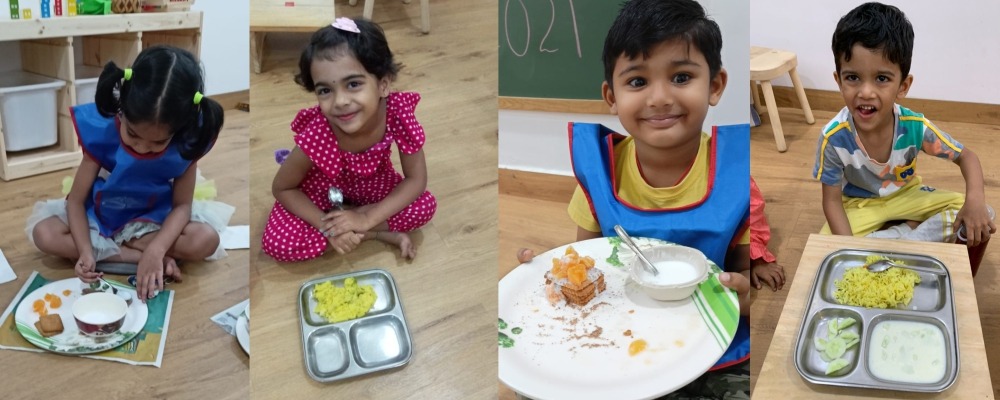
A young kids is frequently far more ready to try a food if they helped grow it, pick it, or prepare it. Preschools in Chembur consider strategies to involve your youngster in choosing new foods as a result. The colourful, fresh fruits and veggies at a farmer’s market, for instance, can be especially appealing to your kids. You can also let your kid eat with you. Allow them to set the table or prepare the salad, depending on their age. The intention is to stimulate kids’s curiosity and make them passionate about food.

3)  Make Food Fun

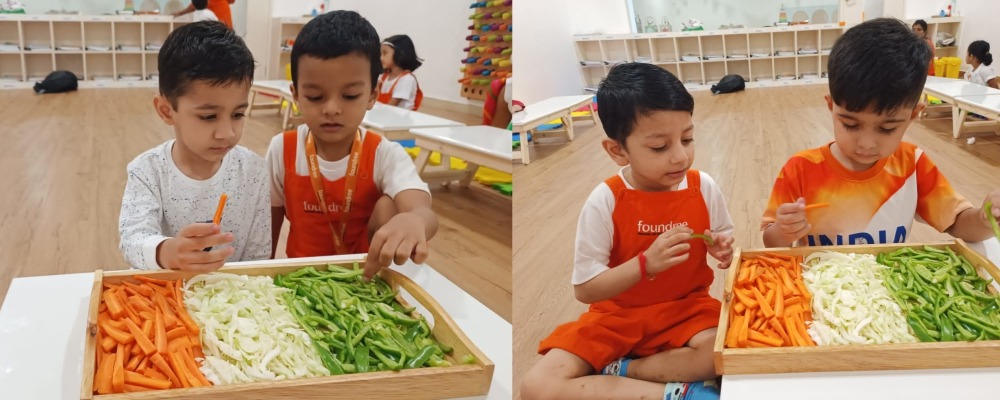
Playing with food isn’t necessarily a bad thing. Foods that are colourful, cut into enjoyable shapes, or served with a dip are more likely to be consumed by kids. Of course, this frequently entails extra work for the parents, but if you’re anxious to give your kids some variety, it can be worthwhile. Purchase cookie cutters so you can cut sandwiches into amusing shapes, or make ants on a log out of celery, peanut butter, and raisins. Alternately, try making a rainbow out of colourful fruits and veggies. Daycare in Kharghar engage kids in such activities through which kids develop an interest in food.

4)  Try Various Times

Even if your kids reject steamed pumpkin at supper the first time, they might not the next time. It also helps when they witnessed you consume it and that it was on the table. They might prefer it in a soup or they might just be unsure about it at the moment. Your kids could be more receptive to taking a bite or having some on their plates the next time you serve it.

Remember that it may require 15 or more encounters for a kids to try a food. It counts as exposure only to have the food on the table or on their plate!

5) Serve Small Portions

Giving your kids limited servings has two benefits. First off, huge servings of strange or unfavorite foods may overwhelm your kids. You’ll waste less food, too. Preschools in Chembur offer food to kids during playtime in small portions to keep them nourished and develop their curiosity about the food.

Your kids will find it a lot simpler to attempt one broccoli floret rather than a full cup of the vegetable. Additionally, this enables your kids to pick how much they want and to request more if they so desire. This is just a small step to help them develop a healthy eating habit.

6) Reduce Distractions

Turn off the television and other electronics in the house during mealtime. Your kid can then concentrate on eating. Remember that television advertising may encourage your kids to crave sweet or less nourishing foods.

But while it’s still going on, try to comprehend the situation and give your toddler options when you serve him food, rather than losing patience and yelling at him.

Most toddlers go through the fussy eating phase and it will disappear before you know it. But, it’s unlikely that your kids’s eating habits will change overnight, the little efforts you take every day can help encourage a lifetime of healthy eating.

Independence Day Celebration for Kids

Independence Day is undoubtedly one of the most important days for our nation and its citizens. It marks our freedom from British rule and signifies our sovereignty. This year, India marks 75 years of Independence, which makes it even more special, as we celebrate our journey as a country thus far and commemorate the struggles of our forefathers.

Independence Day is a highly significant date in the calendar of India. Every Indian must make this day as joyous as possible. This day is celebrated to commemorate the freedom of India from 200-year British rule. On this day, we all go out with our families and friends, eat out at the local restaurant, or order in and watch the annual telecast of the Independence Day speech of our Prime Minister at the ramparts of the Red Fort. We celebrate our freedom and the freedom of our soldiers and martyrs who gave up their lives for our land so that we could be free. It is essential that on this day, everyone wears something that bears the national flag so that in all celebrations and gatherings, our flag is always present.

While we understand the importance of this glorious day, we need to impart this knowledge to the future of our nation. Independence Day Celebrations at schools have always been an occasion to look forward to, as we learn the values of unity in diversity.

Independence Day promotes nationalism and patriotism toward the nation. The best pre-schools in the country make the most of this opportunity to educate our children on the struggles and magnificent achievements of our freedom fighters.

Be it some of the best schools in Mumbai, or the best pre-schools in Kharghar, Navi Mumbai, schools will celebrate with an elaborate function where children will be encouraged to dress up as freedom fighters to honour them. Typically, the schools also distribute snacks and sweets at the end to conclude the event that invoked patriotism in everyone.

The colours of our tricolour dominate the schools for the event, and we get to witness several tiny tots dressed as Rani of Jhansi, Maulana Azad, Bhagat Singh and Pandit Jawaharlal Nehru etc. Teachers take this opportunity to tell the children about the struggle to get freedom and the rich culture of our nation.

Independence Day celebrations are an integral part of one’s childhood, as it helps them understand their responsibilities towards their country. Some of the best preschools in Kharghar, Navi Mumbai, Delhi and other major cities of India gear up to celebrate this event with grandeur.

Techniques to help your child become an early reader

Many parents start worrying about instilling good reading habits in their children as they finish nursery school and get promoted to preschool. Getting a head start when it comes to reading at an early age can help keep your child ahead in many ways. It is well documented that kids who develop the habit of reading at an early age are naturally better at handling and comprehending serious situations than those who do not read. This is mainly because reading books of unique genres can help children in developing their knowledge in varying aspects of life. It gives them a broader perspective to deal with challenges that may arise in the future, while also making them competent in language and communication. Kids can be adamant at this stage of their life. So how to make this happen? Here are a few essential tips for the same.


Reacquaint yourself with reading

Children follow by example. First of all, if you have let reading slide to the margin of your life, it’s time to bring it back. Make the necessary space and time for books that you can read and books that you will read with your child. Many of the Preschools in Kharghar organise many exciting activities and also encourage their parents to do the same as they believe that reading is a lifelong skill that can build a strong foundation for future generations. So, if you want to raise your child as a reader, be a reader first!


Read out loud

Reading out loud with gestures will increase the interaction level. It is a more enjoyable activity for developing your child’s liking for reading and understanding the book. Teachers of Preschools in Kharghar, Navi Mumbai especially promote this activity to help the kids to develop reading habits.


Importance of night-time reading

If your child is old enough to hold the books themselves, always leave a storybook open in their bedroom. They can look through it before falling asleep. This will increase their interest in reading before bedtime which is bound to grow over time!


Limit their screen time

Giving access to TV and Mobile devices is the easiest way to keep your child engaged, but this habit is not recommended, as it can lead to screen addiction. There are plenty of ways to enhance your child’s imagination with various books. Preschool education is important for kids as it promotes easy reading habits by explaining to parents how to keep their children away from screen time.


Make reading a priority

It’s important for you to set aside a specific time for reading because this will not only be fun for everyone but it’ll also help bring your family closer together. Preschools in Kharghar, Navi Mumbai promote the importance of keeping consistency in reading time. You may want to set aside a single night at the end of the week where your entire family can put aside any distractions they might have throughout the day and settle in, relax and enjoy some time reading together as a group. Turn off all electronic devices, dim the lights and turn into a reader!


Surround them with books

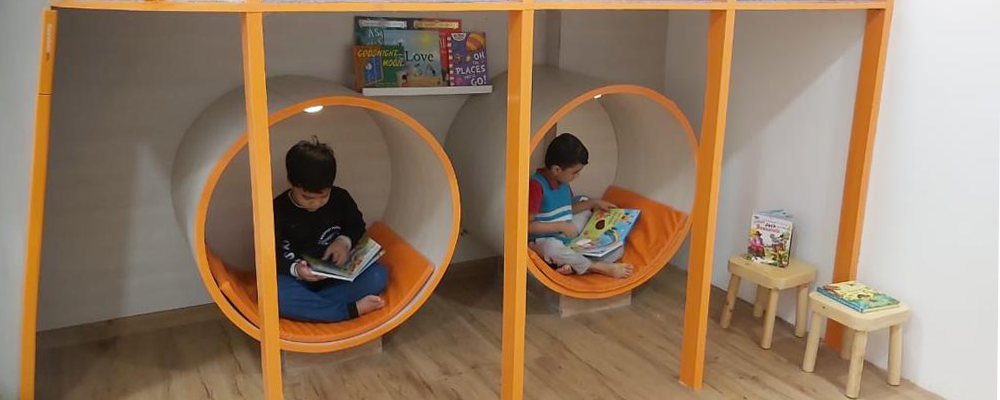
Keep an easily accessible rack full of books in every room, so when your child is bored, they can look for something interesting to entertain themselves with. You don’t have to go overboard and buy everything there is on their wish list, or anything specific – let them find something that interests them among the stack instead.


The above tips will help you get your kids on the early path of reading. It will help them to grow into successful individuals as they develop their language, vocabulary and comprehending skills. Remember raising a reader is a fun, rewarding and relatively easy activity!

Call Us Admission Enquiry