Unleashing the Potential of Early Childhood Education: Identifying 6 Benefits of Your Child Starting Early

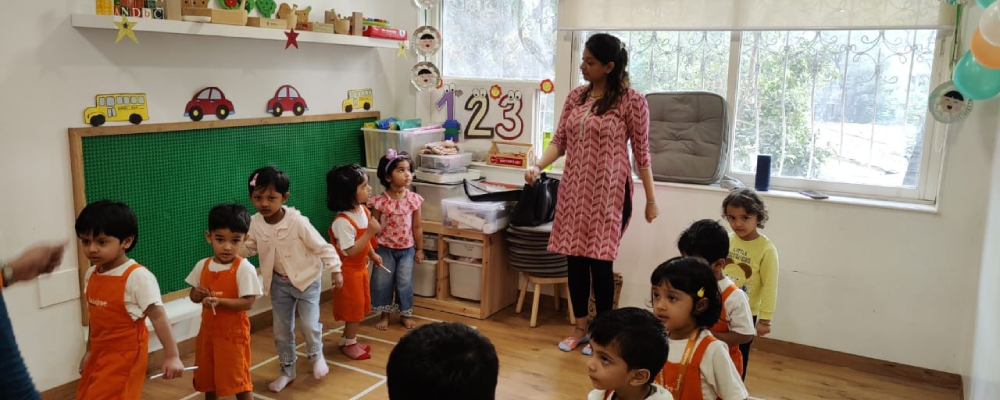
Early childhood education plays a key role when it comes to shaping the foundation for your child’s future. It is during these formative years of 1- 5 years that children’s brains develop rapidly, making it the right time to nurture their minds with a stimulating environment. 

Preschool education encompasses both care and education, focusing on fostering holistic development in young children. The following potential points give an introduction to early childhood education while highlighting its key impact on a child’s growth and learning.


Building Strong Foundations:

Early childhood learning lays the groundwork for future academic success and personal growth. It offers your child a structured setting where they can develop essential skills, such as language, communication, socialization, and problem-solving abilities. 

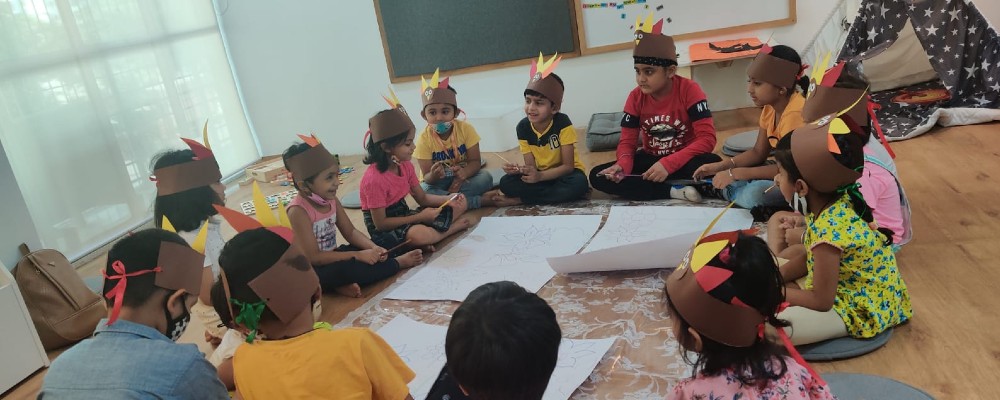
When your child is exposed to various activities and play-based learning experiences, it gives them a platform to explore their curiosity, creativity, and critical thinking.


Holistic Development:

By fostering care and education, you help create an environment that promotes not only academic achievements but also emphasizes your child’s overall development. It recognizes the importance of nurturing emotional intelligence, physical well-being, and social skills. 

One way to help your child build self-confidence, empathy, and resilience is through planned activities and interactions. They provide opportunities for children to engage in physical exercises, creative arts, and cooperative play, promoting healthy growth and a positive self-image.


Play-Based Learning:

One of the key aspects of early childhood education is play-based learning. Play is the natural way to help your children explore, experiment, and make sense of the world around them. Creating story-telling and play format to teach, and involving your child in the process, facilitates a learning experience that is engaging and meaningful. 

Play-based learning also helps your child develop their cognitive, motor, and social skills. They learn to solve problems, express their thoughts and emotions, and collaborate with their peers. It helps create a joyful atmosphere where children are active participants in their own learning journey.


Individualized Approach:

Early childhood education recognizes that every child is unique, with their own interests, abilities, and learning styles. This knowledge helps adopt an individualized approach to cater to the specific needs of each child. 

It helps in observing and assessing a child’s progress, and provides tailored guidance and support. This personalized attention ensures that every child receives the necessary guidance and support that helps them explore their potential and build a strong foundation for future learning.


Parental Involvement:

Early childhood education thrives on a strong partnership between educators and parents. As parents, you are your child’s first teacher, and your involvement in your child’s early learning is crucial. By actively engaging along with educators, a seamless learning experience can be created that extends beyond the classroom. 

Regular communication, parent-teacher conferences, and family involvement in school activities foster a collaborative environment where both parents and educators work together to support the child’s development.


Long-Term Impact:

The benefits of early childhood education are not limited to starting early. As per studies, children who receive quality early education are more likely to succeed academically, have better social skills, and experience higher economic and social mobility in the future. 

Investing in early childhood education not only helps create a more inclusive and equitable future for your child, but enables us to give them the required guidance and support to help them realise their true potential.


Conclusion:

Early childhood education holds immense potential in shaping the lives of children when they are young. Starting early can help nurture your child’s potential as they learn in a stimulating environment, fostering holistic development, and instilling a love for learning, thereby preparing them for a fruitful and successful life ahead.
Unlocking the Power of Happy Childhoods: Foundree Preschool and Daycare’s Holistic Approach

In today’s fast-paced world, childhood experiences often become overshadowed by the pressures of academic achievement. On the contrary, childhood should serve as the foundation for a child’s holistic development, shaping their beliefs, values, and overall well-being. A happy childhood lays the groundwork for a thriving individual, equipping them with essential foundational skills and fostering their cognitive, emotional, and social growth. By providing nurturing and joyful experiences, one should strive to create the conditions necessary for children to flourish and reach their full potential. Let us delve into the importance of a happy childhood and discover how Foundree Preschool and Daycare help in finding and nurturing one.


Unleashing Potential through Personalised Curriculum 

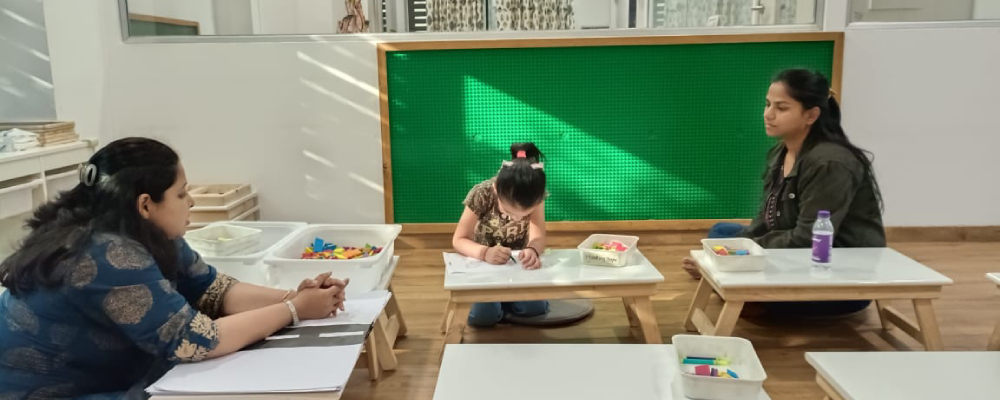
Childhood, in our opinion, is an art form to be nurtured rather than a science to be standardised. Foundree makes sure that each child’s individual potential is discovered and acknowledged by providing a tailored curriculum. Children are encouraged to stand out and develop their own abilities rather than following a set curriculum. Children learn at their own speed using a level-based activity method, mastering tasks before moving on to the next level. With this specialised method, kids can grow in self-assurance, foundational skills, love of learning, and profound self-awareness.


Inspiring Environments for Unhurried Growth 

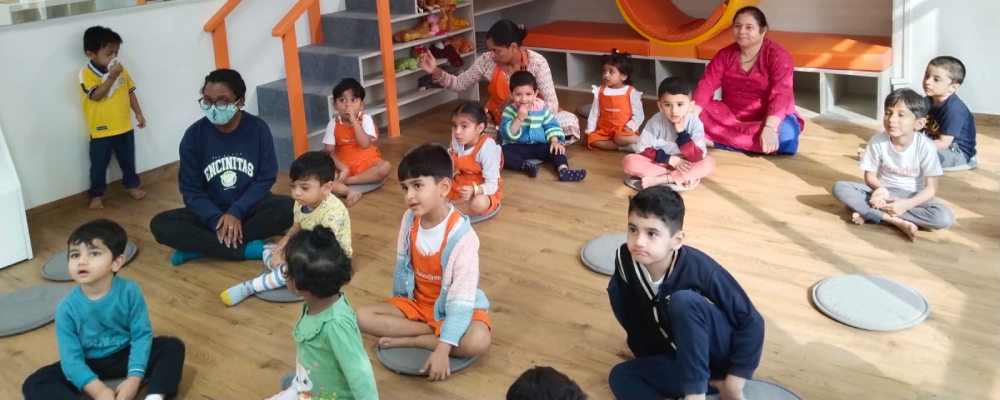
At Foundree, childhood knows no limits. Thoughtfully-designed, spacious, and immersive classrooms create an environment where children are encouraged to explore and discover. Inspired by Scandinavian architecture, Foundree’s clean and green infrastructure transforms the entire preschool into a playground. Outdoor playscapes provide ample space for curiosity, physical activity, and unbounded joy. These immersive spaces ignite children’s imagination and allow them to feel the true essence and experiences of childhood, fostering foundational skills and creating lasting memories.


Skill-based classrooms: Nurturing Inquisitive Minds 

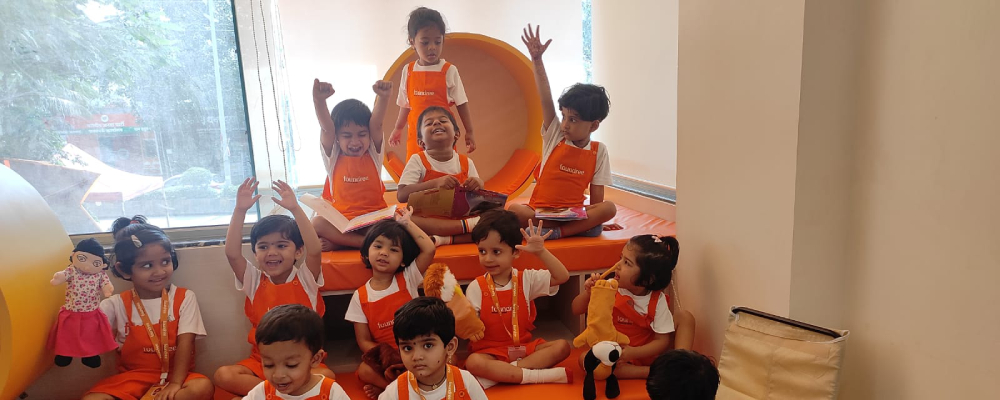
Foundree’s highly engaging classrooms are designed to cultivate curiosity and imagination. Skill-based rooms, such as “The Nook” for reading and “The Stage” for listening and speaking, cater to children’s specific skills and abilities. These dedicated spaces foster a love for literature, communication skills, and self-expression. By providing stimulating environments beyond traditional classrooms, Foundree encourages children to embrace their inquisitive nature, supporting their holistic development and ensuring a truly happy childhood.


Skills that Propel Beyond Ordinary 

Childhood is about discovering true passions and building extraordinary skills. Recognizing each child’s interests and abilities, Foundree goes the extra mile to help children develop skills that exceed the boundaries of the ordinary. By offering a diverse range of activities, children are exposed to a wide array of experiences, empowering them to pursue their passions and thrive in their areas of interest. Our commitment to nurturing foundational skills ensures that every child’s journey is filled with excitement, growth, and a sense of fulfilment.


Unhurried Learning Beyond the Classroom 

Foundree’s personalised learning approach extends beyond the classroom walls. Through do-at-home activities, parents become collaborative partners in their child’s development. Regular updates provided on the Foundree app keep parents informed about their child’s progress, ensuring their involvement in the learning journey. With 100% CCTV coverage in all preschools, parents can trust that their child’s safety and well-being are paramount. Foundree creates a secure haven where children can grow and learn at their own pace, free from the pressures of the modern-day rat race.

In a society driven by achievement and competition, Foundree Preschool and Daycare redefine the concept of childhood. By embracing child’s development and growth, Foundree ensures that children experience the true joys of childhood while fostering holistic developments and foundational skills. Through personalized curriculums, inspiring environments, and a commitment to nurturing exceptional skills, Foundree creates a safe haven where children’s individuality is celebrated and cherished. Let us join hands with Foundree in reclaiming the essence of a happy childhood and empowering our children for a brighter future.

7 Fun and Educational Activities for Kids in Daycare

Providing a dynamic and enriching environment for children in daycare is very important for their overall development. While it’s important to keep them engaged and entertained, incorporating educational activities into their daily routine can significantly enhance their learning experience. From fostering creativity to promoting cognitive skills, a combination of fun daycare activities can have a lasting impact on a child’s growth. We will explore some exciting activities that not only bring joy to children but also offer valuable learning opportunities within the daycare setting. These activities span various domains, including storytelling, arts and crafts, music and dance, nature exploration, science experiments, cooking, and engaging physical games. By integrating these activities into the daycare curriculum, children will have the chance to learn, discover, and flourish in a nurturing and educational environment. So, let’s dive into the world of fun and educational activities for kids in daycare, and uncover the many benefits they bring.

  • Storytelling and Puppet Shows:

Engage children’s imaginations and enhance their language skills by organizing storytelling sessions or puppet shows. Encourage them to participate by asking questions and allowing them to interact with the puppets.

  • Arts and Crafts: 

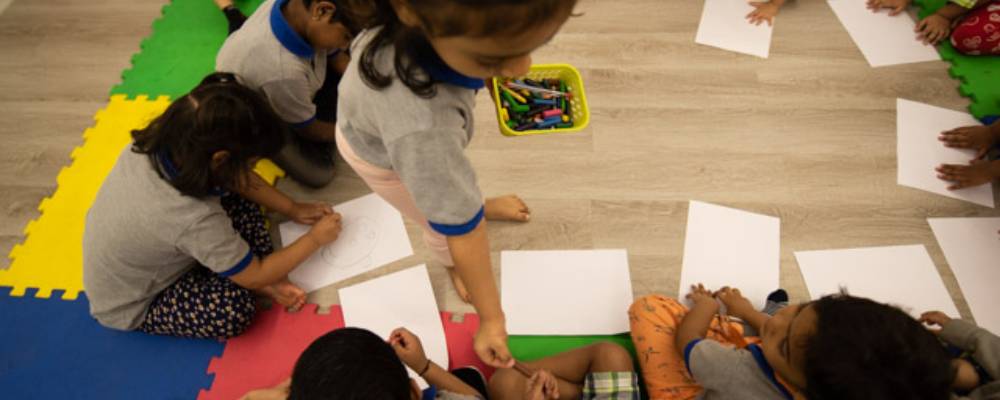
Promote creativity and fine motor skills development through art and craft activities. Provide a variety of materials such as paper, glue, scissors, and colored pencils, and guide children to create their own masterpieces. This can include painting, drawing, collage making, or even simple origami.

  • Music and Dance: 

Introduce children to the world of music and movement by incorporating music and dance activities into their daily routines. Play different genres of music and encourage them to move and dance freely. You can also provide musical instruments or homemade shakers to let them explore rhythm and beat.

  • Nature Walks and Gardening: 

Take children outdoors for nature walks or create a small garden within the daycare premises. Teach them about different plants, flowers, and insects they encounter. Let them participate in planting seeds, watering plants, and observing the growth process. This will foster their appreciation for nature and develop their sensory skills.

  • Science Experiments:

Conduct simple and safe science experiments to spark children’s curiosity and encourage critical thinking. For example, you can demonstrate the concept of density by making a rainbow in a glass with different liquids, or create a volcano eruption using baking soda and vinegar. These hands-on activities will make learning fun and memorable.

  • Cooking and Baking: 

Involve children in simple cooking or baking activities that are appropriate for their age group. Teach them basic kitchen safety rules and guide them through preparing simple recipes, such as making fruit salad or baking cookies. This helps improve their fine motor skills, introduces them to different food groups, and promotes healthy eating habits.

  • Indoor and Outdoor Games: 

Organize a variety of games and physical activities to keep children active and engaged. Indoor games can include treasure hunts, board games, or building forts using pillows and blankets. Outdoor activities can range from relay races to tag games or even setting up an obstacle course. These activities promote social interaction, teamwork, and gross motor skills development.

In conclusion, daycare centers provide a host of benefits by offering a balance between fun and educational activities. Children can enjoy their time while acquiring new knowledge, skills, fostering creativity, and developing social interaction. These enriching experiences play a vital role in the holistic development of children in daycare settings.

Preschool Admission Age and Socializing: Finding the Sweet Spot

Deciding the ideal age for preschool admission and balancing it with socialization is an important consideration for parents and educators. While there is no such thing that can be called the ideal age for preschool and which applies universally, several factors can help guide this decision. Let’s explore these factors in more detail.


  • Developmental Readiness

Firstly, it’s essential to consider whether the child is prepared to go to preschool. Preschool programs typically accept children between the ages of 3 and 5, but within this range, individual children may differ in their cognitive, social, and emotional development. Assessing whether the child has reached key milestones and is ready to engage in structured learning and social interactions is crucial. These milestones may include language development, fine motor skills, attention span, and the ability to follow simple instructions. Observing the child’s progress and consulting with early childhood educators can provide insights into their readiness for preschool.

  • Emotional Maturity

Emotional maturity is another important aspect to consider. The child should be emotionally prepared for the transition to preschool. This includes being able to separate from their primary caregivers without excessive distress, follow simple instructions, and demonstrate basic self-help skills such as using the toilet independently and dressing. Emotional readiness helps ensure a smoother transition to preschool and facilitates positive social interactions with peers and teachers.

  • Social Exposure

Social exposure is also an important factor in finding the right age for preschool program enrollment. Preschool provides valuable opportunities for children to develop communication skills, empathy, and cooperation. Prior exposure to social environments, such as playgroups or daycare, can help prepare children for preschool. It exposes them to interactions with other children, sharing, and taking turns. However, it is crucial to strike a balance. Too much exposure to social settings may overwhelm a child, while too little exposure may hinder their socialization skills. Gradually increasing social interactions and monitoring the child’s comfort level can help find the right balance.


  • Individual Differences

Each child is unique, and their readiness for preschool may vary. Some children may thrive in structured educational environments at an early age, displaying enthusiasm for learning and socializing with peers. Others may benefit from additional time at home or in less formal settings, allowing them to develop at their own pace. Consider the child’s personality, temperament, and learning style when deciding about preschool admission. Observing their interests, curiosity, and ability to engage in group activities can provide insights into their readiness. This all should be taken into account to ascertain the right age for preschool admission.

  • Parental Involvement

Parent involvement is crucial in supporting a child’s socialization and transition to preschool. Engaging in activities that promote social skills development, such as playdates or group activities, can help children adapt to new social settings. Encouraging cooperative play, sharing, and taking turns at home provides a foundation for positive social interactions. Communicating with preschool staff, attending orientation programs, and participating in school events also contribute to a smooth transition and ongoing socialization.

  • Child’s Individual Needs

It’s important to note that the right age for preschool admission and socialization may vary from child to child. What works well for one child may not be the best fit for another. Therefore, parents should consider their child’s individual needs, consult with early childhood educators, and make an informed decision based on their observations and understanding of their child’s development. Additionally, schools may have specific age requirements or guidelines that can provide further guidance.

In conclusion, determining the ideal age for preschool admission and finding the sweet spot for socialization requires careful consideration of multiple factors. These factors include the child’s developmental readiness, emotional maturity, social exposure, individual differences, and parental involvement. By taking these factors into account, parents and educators can make informed decisions that support the child’s successful transition to preschool and promote positive socialization experiences. Remember, every child is unique, and finding the right balance is key to their overall growth and development.

Best Educational Toys to Boost Your Child’s Learning and Development!

As parents, we want our child(ren) to have everything that is best in life, and education plays a key role in that. So, you may wonder: What strategy do I adopt to enhance my child’s learning and development? 

One of the ways you can help your child learn and develop is through toys. Encouraging kids to play with different kinds of toys is not only fun and engaging for them, but also helps them develop important skills such as problem-solving, creativity, and language.

Here are some of the best educational toys you could pick for your preschooler(s):

Blocks: 

Blocks are one of classical and traditional educational toys that kids across generations are familiar with. From Lego blocks to toy train sets, they come in different shapes, sizes, and materials such as plastic and wood. You can introduce block games to your child(ren) to help them develop their spatial awareness, motor skills, and imagination. They can build houses, towers, and even trains to create their own little worlds.

Puzzles

Puzzles are a great way to introduce your young one(s) to fun and engaging games, while helping them develop problem-solving and critical-thinking skills, through different levels of difficulty. They also help improve hand-eye coordination along with motor skills. Start with simple puzzles with large pieces and gradually work up to more complex ones.

Play sets (like kitchen and food): 

Pretend play largely helps in boosting a child’s learning and creative abilities, and learning toys like play sets; for instance, kitchen and food sets can provide hours of imaginative fun. It only helps your child(ren) improve their imaginative and social skills by playing with others, but also helps them learn about healthy eating habits, and even practice basic counting and arranging skills.

Musical toys:

Music plays a key role in stimulating the human brain and its creativity. Introducing your child(ren) to learning toys like musical toys is a great way to let their creative juices flow. Toys such as drums, xylophones, and keyboards can help your child(ren) develop their sense of rhythm, hand-eye coordination, and even language skills. Encourage your child(ren) to sing along to the music or beat to enhance their vocal cords, memory, and language.

Art supplies:  

Introducing your child(ren) to art is necessary to boost their imagination and creativity. Make them draw, paint, and colour to help them express themselves better and develop their creative as well as fine motor skills. Give them art supplies like crayons, markers, and paint sets to help them open doors of creativity and imagination.

Outdoor toys:

Outdoor toys are one of the best learning toys that are not only cost-effective, but also make your child(ren) physically active. Encourage your kids to go outdoors and play with the help of toys like tricycles or bicycles, wooden wagons, bats and balls, skipping ropes, hula hoops, and more to boost their physical endurance. Or you could even take them to the beach with toy buckets to encourage them to build sandcastles to boost their creativity and critical-thinking skills.

Board games:

Board games are one of the interesting ways your child(ren) can practise and learn how to follow rules, and take and give turns, while they improve their overall social skills. Besides, they also help develop strategic thinking, language skills, and maths skills.


In Conclusion:

When it comes to choosing educational toys for your preschooler(s), you need to consider picking toys that are age-appropriate as well as ones that match their interests. In the end, a child’s learning and development process is incomplete without play, so choose toys that are fun and engaging as well as educational.

Simple Ways to Teach Table Manners to Your Children

Table manners, also known as table etiquette or dining etiquette, are an essential aspect of good social behaviour. Good table manners can create a positive impression, show respect for others, and create a comfortable environment at the dining table. 

Here are some tips to teach your children good table manners:


1) Start early

It’s important to start teaching your children good table manners at an early age. Young children are like sponges and can easily absorb new information. Developing good eating habits involves practising proper eating manners such as using utensils correctly, chewing with your mouth closed, and using napkins.

2) Use positive reinforcement

Children respond well to positive reinforcement. Praise them for their good behaviour at the dining table. You can use phrases such as “Great job using your utensils properly” or “Thank you for waiting your turn.” This helps reinforce good table manners.

3) Model good behaviour

Children learn by observing and imitating others. As a parent, it’s essential to model good table manners. Use utensils correctly, sit upright at the table, and use polite language when asking for food or drink.

4) Teach basic table manners

Teaching basic table manners is crucial to developing good table manners in children. This includes saying please and thank you, waiting for everyone to be served before eating, not speaking with food in their mouth, and asking to be excused from the table.

5) Keep the meal pleasant

Mealtimes should be enjoyable, and the conversation should be positive. Avoid discussing controversial or stressful topics at the dining table. Encourage your children to share their day and engage in pleasant conversation.

6) Make it fun

Learning should be fun, and teaching good table manners is no exception. You can make it fun by playing games, such as “restaurant” or “pass the salt.” These games teach children about dining manners and make learning enjoyable.

7) Involve your children

Involving your children in setting the table, pouring drinks, and serving food makes them feel invested in the meal and teaches them the importance of teamwork and hospitality.

8) Be consistent

Consistency is key when teaching good table manners. Set expectations for your children’s behaviour and reinforce them consistently. For example, if you expect your child to use utensils correctly, don’t let them eat with their hands.

In conclusion, good table manners are essential for social behaviour and creating a comfortable environment at the dining table. By teaching your children basic dining manners, modelling good behaviour, using positive reinforcement, making it fun, involving your children, keeping the meal pleasant, and being consistent, you can help your children develop good table manners that will benefit them throughout their lives.

6 Fun Summer Activities for Toddlers

Summer is here and it’s time to keep our little ones entertained! Toddlers are full of energy and curiosity, and they love to explore their surroundings. It’s important to keep them engaged in fun activities that not only entertain them but also promote their physical and mental development. Here are six fun summer activities for toddlers that will help them stay active and learn new things.

Water Play

Water play is a great way to cool down on a hot summer day, and it’s perfect for toddlers who love to splash and explore. You can set up a kiddie pool in your backyard or take your little one to the local splash pad. You can also set up a DIY water table with buckets, cups, and sponges for your toddler to play with. Toddlers love to pour water and watch it trickle down, and this is one of the fun summer activities for kids that promotes their cognitive development and physical strength.

Outdoor Art

Toddlers love to get creative, and outdoor art is a fun way to let their imaginations run wild. You can set up an outdoor painting station with washable paint and paper. You can also make a sensory art station with items such as leaves, flowers, and sticks. This is one of the summer activities for toddlers that promotes their fine motor skills and encourages creativity and self-expression.

Nature Walks

Nature walks are a great way to teach toddlers about the environment and encourage them to appreciate nature. You can take your little one on a walk in your local park or plan a kids summer vacation amidst nature and point out different trees, plants, and animals. You can also make a nature scavenger hunt and have your toddler search for different items such as rocks, leaves, and pine cones. This activity promotes their gross motor skills and encourages curiosity and learning.

Picnics

Picnics are a fun way to enjoy the outdoors with your toddler, and they can be done anywhere from your backyard to a local park. You can pack a simple lunch and a few toys, and your little one will have a blast exploring and playing in the sunshine. This activity promotes socialization and encourages healthy eating habits.

Bubble Play

Toddlers love bubbles, and bubble play is a simple activity that can provide hours of entertainment. You can buy a bubble wand or make your own with pipe cleaners and dish soap. You can also make a DIY bubble solution with water and dish soap. This is one of the summer activities for kids that can greatly help in improving hand-eye coordination while they enjoy playing outdoors.

Sensory Bins

Sensory bins are a fun way to engage your toddler’s senses and promote learning. You can make a sensory bin with items such as rice, beans, or water beads and include different toys and tools for your toddler to explore. Try this activity and you will be happy to see the cognitive development in your child while you encourage exploration and discovery.

Summer is a great time to enjoy the outdoors with your toddler, and these six activities are sure to keep them entertained and engaged. Remember to always supervise your little one and use caution when engaging in outdoor activities. Have fun, be safe, and enjoy the sunshine!


What are the advantages of summer camp for preschoolers?

Summer camps are not just for school-aged children but also offer numerous benefits for preschoolers. Summer camps provide a fun and engaging environment where young children can learn, explore, and develop new skills. Whether it’s a day camp or an overnight camp, the advantages of summer camp for preschoolers are numerous and can have a lasting impact on their development.

1. Socialization and friendship:

Summer camps provide opportunities for preschoolers to interact with peers, make friends, and learn important social skills such as sharing and cooperation.

2. Exploration and learning:

Summer camps offer a variety of activities that expose preschoolers to new experiences, promote creativity, curiosity, and a sense of wonder, and broaden their horizons. Many camps offer options for nature walks, art and craft sessions, music and dance, and sports, allowing preschoolers to explore and learn about the world around them.

3. Physical activity and outdoor play:

Many summer camps for preschoolers promote physical activity through swimming, sports, and other outdoor activities, which help preschoolers develop gross and fine motor skills, coordination, and overall physical well-being. This can be a great way for preschoolers to stay active and engaged during summer.

4. Independence and self-confidence:

Summer camps offer a safe and structured environment for preschoolers to develop independence, self-reliance, and self-esteem. Preschoolers learn to take care of themselves, follow routines, and make decisions, which can boost their confidence and sense of autonomy.

5. Break from screen time:

Summer camps provide a healthy break from screens and encourage preschoolers to engage in hands-on, real-world experiences that cultivate creativity, imagination, and problem-solving skills. This can be a refreshing change from the increasing reliance on screens in today’s digital age.

6. Diversity and inclusivity:

Many summer camps promote diversity through activities that highlight different cultures, traditions, and perspectives. This can be a valuable opportunity for preschoolers to learn about and appreciate differences in others, develop empathy and compassion, and a sense of belonging to community.

7. Lasting memories:

Summer camps create lasting memories for preschoolers, fostering positive experiences they can cherish for years to come. These memories can create a sense of nostalgia and connection in the future and serve as a foundation for their growth and development.

If you’re looking for summer camps for your preschooler, searching for “summer camps near me” can help you find local options that are convenient and accessible for your family. Choosing a camp that is close to your location can make it easier for your preschooler to attend and participate in the camp activities.

In conclusion, summer camps for preschoolers offer a wide range of advantages. Consider researching and finding a summer camp near you that aligns with your child’s interests and needs, and provides them with a fun and enriching experience during the summer months!

5 Advantages of Using Worksheets for Teaching Preschool Children

Do you wish to foster intellectual curiosity in your child? It’s never too early to begin learning, and your children will appreciate it if you accompany them on this journey sooner than later. You should provide children with a variety of opportunities to explore new subjects and discover new ideas as a parent or educators. For kids and caregivers, worksheets may help in organizing your tasks better, and making preschool education more systematic and enjoyable. 

Check out these five advantages of worksheets for preschool kids

  • Worksheets Help Preschool Students Learn Subtly

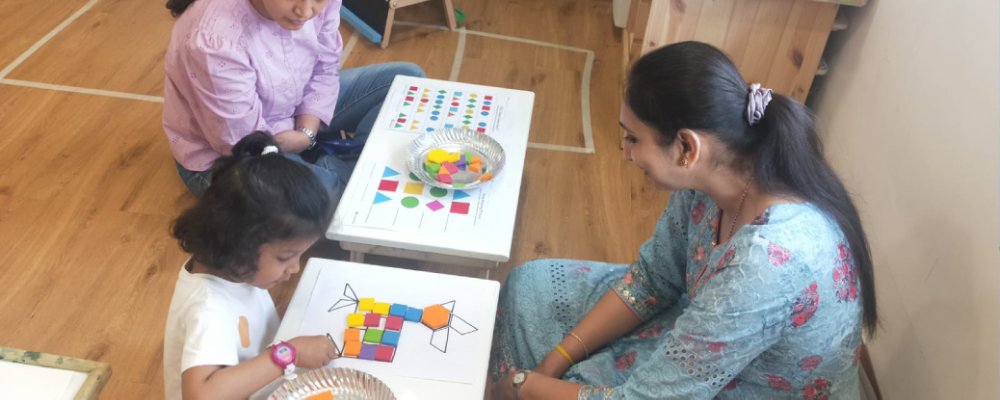
Worksheets are excellent teaching tools since they make learning more fun for kids. Worksheets in science or math can be completed by kids without them realizing that the tasks are instructional in nature to test their knowledge. Preschool reading worksheets may also help in increasing the attention span of children while giving them an opportunity to explore the depths of the subject in a fun and engaging way. 

  • Make Logic-Building Practice Exercises for Worksheets

Homework can get boring after a point when children are forced to follow certain instructions and adopt rote learning. Worksheets are a great way in which you can enhance your child’s curiosity and problem-solving skills. Kids may learn to think more rationally with the help of preschool worksheets, and they also have a great time, solving riddles or challenges that come their way. Try using science worksheets and lesson ideas and notice how much each day your child’s logic abilities improve.

  • Worksheets Aid in Greater Area Coverage

Using preschool reading worksheets when teaching children might be the most effective technique to cover more material without burdening your pupils. Their young minds are constantly fascinated by the interesting and varied material of what may appear to be merely a busy activity to them. With the use of simple preschool reading worksheets, children may learn a lot in one session, whether you’re teaching about animals, fruits, or cities. Better Still? Worksheets offer a more hands-on approach to learning which can give better results in a shorter time period, unlike other teaching approaches. 

  • Worksheets Make Parenting Simple

Parental engagement in a child’s learning process is critical for their growth and provides several benefits, including making the learning process simpler. Worksheets are a pleasant change for both children and parents since they allow parents to spend quality time with their children while teaching them courses. It can be very tough for some parents to make their children sit and study, and worksheets can be the ideal solution to deal with this situation.

  • Worksheets Can Help Children Reduce Their Screen Time

Worksheets have been a staple in classrooms for decades and are now more relevant than ever, especially with most children growing up with smartphones, iPads, and video games.

Fortunately, you may divert your children’s attention away from devices and television by engaging them in stimulating worksheet activities like colouring, shredding paper, sticking items together, and so on. Moreover, kids will eventually enjoy solving arithmetic problems or word lists, which will ultimately keep them away from digital screens. 

Worksheets are excellent tools to foster children’s intellectual curiosity. They assist in increasing the attention span of children while also helping them develop their problem-solving skills. They also give parents a fair idea of what their child is learning at school while they gauge the academic areas in which they excel or struggle.


6 Ways to Manage Preschool Temper Tantrums

Parents frequently experience embarrassment when their kids act up in public and throw tantrums. Managing pre-schooler behaviour problems can be a daunting task, but it’s not impossible. Many parents feel ashamed and might deal with such situations inappropriately which could trigger stress and negative thoughts in pre-schoolers. Let’s discuss how to manage these bouts of temper in a more mindful and effective way.

Bring games or books that they may enjoy in their spare time.

Young kids may have a high level of hyperactivity, which makes them feel bored very easily. To keep the excitement levels high, engage your kids in their favourite pastime with you if you plan to stay at the venue for a bit longer. You can also carry Books or games with you so that they are also learning something new. Avoid giving them access to cell phones, so that you are keeping a tab on their screen time.

Saying “NO” might trigger them

Sometimes kids get upset when they have to hear ‘NO’ for something they deeply care about. Say Sure but explain why the moment is not appropriate. When dealing with children in a public setting, making them understand about the cons of their mischief is important. Use phrases like “Yes, we’ll do that, but not right now,” “Yes, you can have snacks in five minutes, but not right now,” and “Yes, you can play with the toy when it’s your turn.”

Engage children in creative pursuits

The greatest way to reduce your preschool temper tantrums in public places is to plan engaging activities with them. Enrolling children in lessons like art and craft, summer school, dancing, music, and theatre can help them develop their patience and their cognitive skills.

Look for the true cause

Temper outbursts don’t just happen in kids. Their inappropriate behaviour in public places must have a cause. Your youngster may have temper tantrums in front of others if they are irritated or instigated by a particular incident. Recognize that your child is struggling, not because you are struggling.

Set aside the humiliation in front of others

Understand that your child’s well-being is what matters to you the most in the end. You could find that your relationship with your child suffers if you are preoccupied with other people’s opinions and judgements all the time. Due to their sensitivity, children require their parents’ undivided love and care. Those who pass judgement on you won’t show up to look after your child.

Be understanding and comforting

When these instances of preschool behaviour problems occur, parents immediately try to fix/stop them immediately. Your child’s brain is likely operating emotionally, which is why you should be rather compassionate about their feelings. If you prioritise logic and reasoning in this situation, they will try to understand your perspective better. Say something like, “I know you’re upset; tell me what’s upsetting you.” Your caring nature will make them feel more comfortable and they will cool down eventually.

Conclusion

Parents should keep the following in mind before dealing with preschool temper tantrums.

Not you; your child is going through a difficult period.
You can handle your children more gently when you are calmer.
Use emotion and rationality, to show them your perspective.
Nobody who is criticising you will take care of your children.

Call Us Admission Enquiry